
Buranku
@t_Buranku

Ne tavsiye etmek istersiniz?
önceki makale
پیام های تریدر
filtre
Buranku
Report 19/12/25
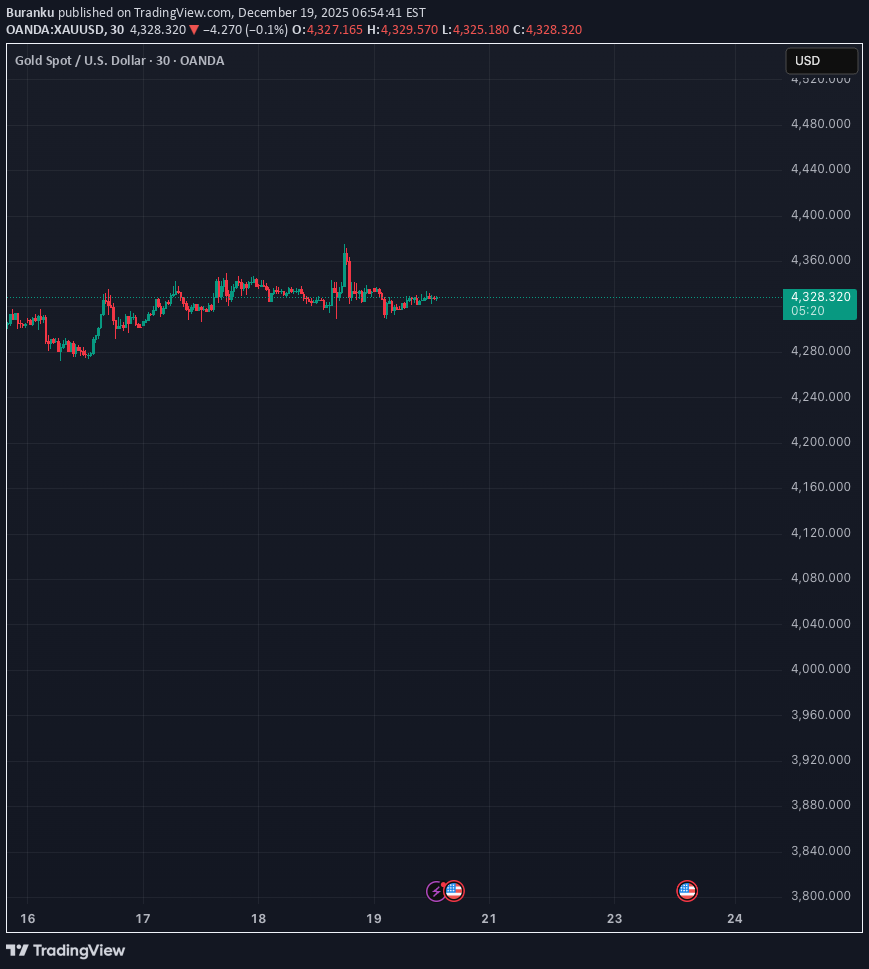
Report Summary The December 19 WSJ set of developments is best read as a two-front geopolitical risk story with a late-cycle policy backdrop: (1) Washington is escalating coercive pressure on Venezuela by ordering what officials describe more as a “quarantine” than a formal blockade—targeting sanctioned tankers and demanding the return/compensation for expropriated U.S.-linked oil assets, while leaving the ultimate political endgame intentionally ambiguous. (2) Europe, meanwhile, is still struggling to convert frozen Russian assets into a clean financing instrument for Ukraine, settling instead on a large EU-backed loan package that avoids immediate confiscation risks but keeps the legal-fiscal debate alive. This is landing into markets that (per WSJ’s own market pages that day) were still broadly risk-constructive in U.S. equities—the S&P 500 closed at 6774.76 (+0.79%) and the Dow at 47951.85 (+0.14%)—while the WSJ Dollar Index sat around 96.15 (roughly flat on the day, down ~6.4% YTD), consistent with an easing-cycle dollar that is no longer the automatic “risk-off” bid it was earlier in the tightening era. At the same time, the Fed policy corridor in WSJ’s rate tables is 3.50%–3.75% with prime at 6.75% and SOFR around 3.69%, i.e., financial conditions are not restrictive enough to choke risk-taking outright, but they are restrictive enough that geopolitics can still punch through via oil, shipping and inflation expectations. What the “Venezuela squeeze” actually changes The key market-relevant shift is not “Venezuela the producer” in isolation; it’s Venezuela as a precedent for enforcement intensity. WSJ reporting describes the move as the most extraordinary use of U.S. military power to enforce Venezuela oil sanctions, with administration language oscillating between “total blockade” rhetoric and a narrower “quarantine” framing aimed at illegal shipping traffic. That ambiguity matters because it deliberately keeps multiple policy branches priced: a targeted interdiction campaign against sanctioned tankers, an expansion into broader maritime exclusion, or even kinetic escalation if the White House decides it needs coercive credibility. The WSJ notes senior Republicans themselves characterize the endgame as unclear after briefings by the Secretary of State and Defense Secretary. From an oil-flow perspective, the baseline is that Venezuelan volumes are meaningful at the margin, not systemically dominant, but enforcement can still matter because it hits the “plumbing” (tankers, insurers, transponders, ship-to-ship transfers). WSJ describes a large “shadow fleet” ecosystem and cites that Venezuela pumps about 900,000 bpd, far below late-1990s peaks, and leans on sanction-dodging logistics while Chevron retains a narrow exemption for some exports. Reuters reporting around the same episode reinforces the point that Venezuela’s exports had risen above 900,000 bpd into November, and that sanctions enforcement changes behavior at the vessel level. Market reactions observed in the tape Oil’s immediate reaction has been a modest risk premium rather than a supply shock, which is exactly what you’d expect given weak global demand optics and ample floating storage in parts of the system. WSJ’s prior day coverage around the blockade headlines shows crude bouncing off multi-year lows: WTI around $55.94 (+1.2%) and Brent also higher (after briefly clearing $60), with commentary that disruptions could affect exports on the order of ~590,000 bpd and that enforcement risks can strand vessels. Even that framing is consistent with a market that is pricing “headline volatility” rather than “structural scarcity.” U.S. equities in the Dec 19 WSJ market snapshot were not behaving like a panic regime (S&P up, Dow up). That tells you the dominant equity narrative remains “policy easing + growth resilience,” with geopolitics treated as a sectoral shock (energy, defense, shipping) rather than a macro shock—unless oil breaks out decisively. Strategic forecast: three paths and what would flip pricing Over the next 2–8 weeks, markets will likely trade this as a probability-weighted enforcement story. The base case is a selective interdiction campaign that focuses on sanctioned hulls and intermediaries, raising frictions and insurance/charter costs but not fully halting flows. Under that base case, crude tends to remain range-bound with higher intraday volatility (thin holiday liquidity makes this worse), while inflation expectations remain contained unless Brent pushes materially higher. The upside-risk case for crude is a credible move from quarantine → de facto blockade, or a kinetic incident at sea that forces insurers and shipowners to step back. WSJ reporting makes clear that the White House is deliberately not clarifying “how far” it is willing to go, which is exactly how you keep that tail priced. In that scenario, the market doesn’t need Venezuela to be “big”; it needs enforcement to become a template that increases perceived risk around any sanctioned barrel logistics. The downside-risk case for crude is that the world treats this as more noise than signal because demand is soft and alternative supply is ample, so rallies get sold, and the only durable effect is a higher geopolitical-volatility premium in options. Fiscal and political implications For the U.S., this policy is politically double-edged. WSJ notes concerns inside the Republican coalition about defending any open-ended foreign intervention ahead of midterms, because it conflicts with Trump’s historical anti-intervention posture. At the same time, Venezuela is being used as a single theater that can satisfy multiple domestic priorities—migration, narcotics, hemispheric power projection, and energy nationalism—without needing a coherent public doctrine. The practical fiscal implication is less about direct spend and more about sanctions enforcement capacity (naval assets, legal actions, interagency bandwidth) and the risk that escalation eventually forces real appropriations. For Europe, the frozen-assets debate is a slow-burning macro risk because it touches rule-of-law credibility, reserve-currency confidence, and sovereign borrowing spreads. WSJ highlights Belgium’s legal concerns and the risk that a workaround could lift borrowing costs and undermine confidence in the euro as a reserve currency, while Euroclear’s liability exposure and Russian retaliation risk complicate execution. Reuters’ reporting that the EU instead agreed a roughly €90bn ($105bn) loan for Ukraine, while postponing a direct frozen-asset solution, reduces near-term tail risk but doesn’t remove the structural question: how far Europe will go in weaponizing “immobilized” assets without triggering broader financial-law blowback. Key global assets: what to watch and why Crude Oil (Brent/WTI). Near term, the risk is option-implied volatility and upside skew rather than a straight-line rally—unless interdictions start visibly stranding flows or triggering insurer retreats. WSJ’s own price reaction shows the market can lift on headlines from depressed levels. The tell will be shipping data, insurance/charter rates, and whether enforcement broadens beyond clearly sanctioned hulls. XAUUSD (Gold). Gold’s function here is as a geopolitical hedge competing with a softer-dollar environment. With the Dollar Index down materially YTD, geopolitics can support gold on dips even if real yields aren’t collapsing. The biggest gold-positive impulse would be a crude-led inflation scare that forces the market to question the pace of easing. S&P 500 and Dow Jones. The equity tape in the WSJ snapshot is still risk-on at the index level. The way this turns equity-negative is not “Venezuela” per se; it’s oil → inflation expectations → rates backup, or a broader perception that maritime enforcement is slipping toward conflict. Otherwise, the more likely equity expression is sector rotation (energy/defense up relative to consumer/transport) rather than a deep index drawdown. DXY / WSJ Dollar Index. A softer dollar baseline can persist if markets remain confident that easing continues and U.S. growth doesn’t re-accelerate into inflation. A Venezuela-driven oil spike would be a two-step for the dollar: initial risk-off bid, then (if inflation rises) a hawkish repricing that could extend dollar strength further. Without that inflation impulse, the dollar is more likely to fade on rallies. USDJPY. The yen leg will be dominated by the global rates channel: geopolitical risk can strengthen JPY if U.S. yields fall on risk-off, but an oil-led inflation shock that pushes U.S. yields higher can do the opposite. The regime matters more than the headline. Risks and opportunities The central risk is policy slippage: when leaders keep the endgame ambiguous, the probability of miscalculation rises. WSJ reporting makes clear both allies and domestic stakeholders are unsure what “next” looks like. That uncertainty is exactly what feeds higher energy vol and episodic risk-off. The cleaner opportunities are in relative value rather than directional hero trades: owning volatility where it is still cheap versus realized moves, positioning for rotation into energy/security beneficiaries while hedging broad market beta, and treating the EU’s Ukraine-financing compromise as a near-term stabilizer for European risk assets while keeping a medium-term eye on the legal/fiscal tail risk of any eventual frozen-asset escalation.
Buranku
Report 18/12/25
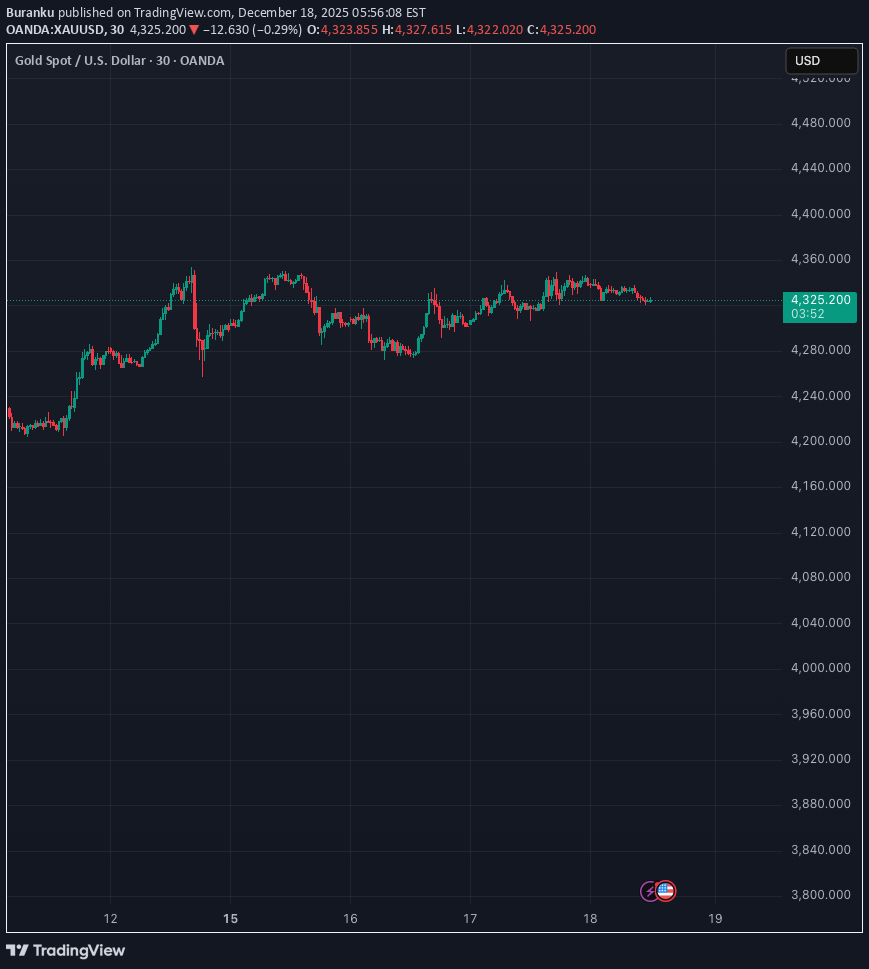
Report Summary The current tape is being driven by a three-way collision between (1) a still-easing but increasingly conditional Fed, (2) a Europe that is trying to turn immobilized Russian sovereign assets into an active funding lever for Ukraine, and (3) an abrupt U.S. escalation on Venezuela’s oil flows that re-prices “tail risk” into energy even in an otherwise surplus-leaning crude regime. The result is a market that looks selectively risk-off: U.S. equities and AI-linked beta sold off in the latest session, while oil and gold caught bids as geopolitical and legal-financial fragmentation risks rose. The S&P 500 closed at 6,721.43 (-1.16%) and the Nasdaq Composite at 22,693.32 (-1.81%), while the Dow closed at 47,885.97 (-0.47%). That cross-asset mix is important: it suggests investors are not pricing a clean “growth re-acceleration” narrative. Instead, they’re hedging two distinct uncertainties at the same time: policy uncertainty (how far the Fed can cut without reflating inflation or re-tightening financial conditions via risk premia) and geopolitical supply/settlement uncertainty (energy sanctions enforcement, shipping disruption, and reserve-currency/clearinghouse legal risk). What happened and why it matters On the U.S. policy front, financial conditions are being eased at the margin, but the Fed is signaling it is not on a one-way glide path. The December move lowered the target range for the federal funds rate to 3.50%–3.75% (and the WSJ-reported U.S. prime rate reset to 6.75%). The Fed’s own statement confirms the 25 bp cut to 3-1/2 to 3-3/4 percent. Rates markets are therefore being asked to price two things at once: a lower spot rate level and a higher probability that the Fed pauses sooner if inflation proves sticky or if financial conditions loosen “too much.” In Europe, the focus is not simply “supporting Ukraine,” but how that support is engineered. The EU is debating a “reparations loan” mechanism that effectively mobilizes immobilized Russian assets held largely at Euroclear in Belgium—borrowing against those assets to fund Ukraine, with repayment contingent on a post-war reparations outcome. In the WSJ framing, more than $245 billion in Russian assets are stranded in the EU and the proposal discussed is roughly $164 billion borrowed from Euroclear against those assets. The political constraint is that Belgium fears it could be left carrying liability if legal/retaliatory outcomes spiral. That concern is not theoretical: reporting around the debate includes legal threats and retaliation risk tied to Euroclear and the broader credibility of EU financial plumbing. In the Western Hemisphere, the U.S. escalation on Venezuela is the immediate geopolitical shock. WSJ reporting describes President Trump ordering a blockade/quarantine of sanctioned tankers, with markets explicitly linking the move to the risk of prolonged export disruptions of roughly 590,000 barrels/day (mostly destined for China). Reuters adds that Trump framed this as a “total and complete blockade” of sanctioned oil tankers entering and leaving Venezuela and also said the Venezuelan regime had been designated a “foreign terrorist organization,” which elevates both enforcement intensity and escalation risk. Market reaction snapshot The immediate price action shows a classic “risk rotation with hedges.” Equity indices fell (S&P -1.16%, Nasdaq -1.81%, Dow -0.47%). At the same time, crude and gold rose: WTI settled at $55.94 (+1.21%) and gold at $4,347.50 (+1.00%). Brent was up around $59.68 in European trade in the WSJ “stock spotlight” context. The dollar was modestly firmer on the day (WSJ Dollar Index 96.18, +0.22%), even as it remained down -6.39% YTD—consistent with a market that still sees a softer dollar regime overall but is willing to buy USD tactically on stress pulses. Rates and curve context are also telling: U.S. 2-year around 3.484% and 10-year around 4.150% in the WSJ benchmarks. The curve remains upward sloping, which is consistent with (a) term premium that doesn’t collapse because geopolitical/legal risks are rising, and (b) an expectation that the Fed can cut some, but not painlessly enough to anchor long-end yields. Strategic forecast: the next 4–12 weeks The most probable baseline is a two-track market: core “growth/AI duration” remains vulnerable to valuation discipline and policy-rate uncertainty, while real assets and defense/energy-adjacent exposures stay supported by geopolitical risk premia. This is not a simple risk-on or risk-off regime; it’s a regime where correlation rises during geopolitical headlines, but sector dispersion stays high underneath. On Venezuela specifically, the key market variable is not Venezuela’s production alone (WSJ cites roughly ~900,000 bpd production and emphasizes a sanctions-evading “shadow fleet” ecosystem), but the enforcement technology—interdiction, insurance, AIS/transponder compliance, and shipping bottlenecks. If enforcement stays tight, the market will price a fatter “Caribbean/Atlantic disruption” premium even if global balances look surplus-prone. If enforcement wobbles (legal challenges, operational limits, or negotiated carve-outs), crude can quickly mean-revert lower because the broader narrative in the same WSJ package notes crude had been pressured by surplus expectations and optimism around Russia-Ukraine talks. On Europe’s “reparations loan,” the strategic impact is bigger than the headline funding number: this is a test case for whether Western financial infrastructure (custody, settlement, reserve assets) becomes an explicit instrument of war finance. If it succeeds, it tightens Europe-Russia financial decoupling and strengthens deterrence signaling; if it backfires via legal rulings, retaliatory seizures, or perceived expropriation risk, it can quietly raise the required return on euro-area risk and modestly impair the euro’s “reserve-credibility” narrative—exactly the concern Belgium has flagged. Reuters reporting underscores that Ukraine’s financing needs are large and time-sensitive, which raises political pressure on EU leaders to find a mechanism quickly. On the Fed, the near-term center of gravity is “cut-then-pause.” Reuters coverage of the December meeting emphasizes a divided Fed and signaling consistent with limiting further near-term cuts as officials watch inflation and labor-market softening. The market implication is that downside in front-end yields is less linear from here; instead, volatility shifts toward data sensitivity and financial-conditions sensitivity, with a higher chance of short, sharp repricings. Fiscal and political implications For the U.S., an aggressive Venezuela posture is simultaneously geopolitics and domestic politics. A declared “blockade” language raises legal and diplomatic temperature, because a true blockade is classically treated as an act of war; even when officials call it a “quarantine,” markets will trade the ambiguity. WSJ reporting notes the operational scale (warships, intercept procedures, and tankers “loitering” offshore), and Reuters notes allied concern (e.g., Germany warning about destabilization). That combination raises the probability of tit-for-tat responses (Russia’s foreign ministry has already criticized the move) and raises the risk of miscalculation at sea. For Europe, using immobilized Russian sovereign assets is a fiscal-political substitute for unpopular options: either bigger direct taxpayer transfers or new joint borrowing that can be veto-blocked. This is why the reparations-loan idea keeps returning—it is designed to be politically saleable. But it also creates a precedent: once sovereign reserves are treated as contingent collateral in wartime finance, other countries may reassess how and where they hold reserves and how much exposure they tolerate to Western custodians. That’s a slow-burn issue, but it matters for long-term euro funding costs and for the competitive position of European financial infrastructure. For Venezuela, the fiscal implication is acute. WSJ notes that strict enforcement would curtail hard-currency inflows and exacerbate shortages, while referencing IMF-level inflation expectations for next year approaching ~700%. Independent reporting similarly points to IMF projections for extremely high inflation into 2026. In practical terms, tighter maritime enforcement is not just an oil story; it’s a balance-of-payments story that can spill into migration pressure, regional political instability, and a larger humanitarian burden that neighbors and the U.S. ultimately face. Risks and opportunities The principal risk is a policy-geopolitics feedback loop: tighter sanctions enforcement (Venezuela, Russia) lifts energy/commodity risk premia; higher energy prices complicate disinflation; the Fed pauses earlier or communicates more hawkishly; financial conditions tighten through risk assets; and the system becomes more headline-fragile. Even with WTI still only ~$56, the directionality matters because the market was coming from a “surplus / peace-talks optimism” narrative that had pushed crude to multi-year lows. The opportunity set is tactical and dispersion-driven. If you believe enforcement is sustained, energy (and select energy infrastructure) gets a volatility bid even in a soft-demand world, while airlines/transport can face margin pressure. If you believe Europe’s reparations-loan mechanism will land without triggering a major legal shock, European defense and security capacity spending becomes more financeable and politically durable; if you believe it will trigger reserve-credibility concerns, you position for wider euro risk premia and more support for safe-haven hedges. Key global asset impacts XAUUSD (Gold). Gold is behaving as the “legal + geopolitical + rates-volatility hedge.” With spot gold up about 1% on the session to ~$4,347.50, the market is paying for convexity against (a) escalation risk in sanctions theaters and (b) a scenario where policy easing continues but inflation uncertainty persists. The bullish path is continued geopolitical fragmentation plus Fed easing that keeps real rates contained; the bearish path is a risk-off dollar spike combined with a sharp rise in real yields. Near-term, gold is supported as long as geopolitical risk stays additive and the Fed doesn’t need to re-tighten. S&P 500. The index drawdown (-1.16% to 6,721.43) indicates equities are not simply celebrating lower policy rates; they’re repricing earnings durability and valuation sensitivity to rates/term premium. The tactical risk is that headline shocks push correlations toward 1.0 and punish crowded factors (notably AI/duration). The opportunity is selective: energy and certain “real economy” cash-flow streams can hold up better than long-duration growth if inflation or term premium re-accelerate. USDJPY. USDJPY around 155.70 in the WSJ FX table signals the yen is still not being treated as a consistent safe haven in this regime, likely because Japan’s rate normalization and global carry dynamics are competing forces. If geopolitical stress intensifies sharply, yen can still rally on risk aversion, but the path is bumpier when U.S.–Japan rate differentials remain meaningful and when dollar demand rises in stress. Watch for sudden “risk-off bid” moves lower in USDJPY on any maritime incident headline; otherwise, the carry backdrop can keep it sticky. DXY / broad dollar. The WSJ Dollar Index was slightly up on the day (+0.22%) but still down materially YTD (-6.39%), which is consistent with “structurally softer USD, tactically bid on stress.” In a regime where sanctions enforcement and settlement-system risk rise, the dollar can paradoxically benefit in the short run (liquidity preference) even if the medium-term narrative is diversification and de-risking away from USD concentration. Crude Oil. Oil is repricing geopolitics at the margin: WTI +1.21% to $55.94 and Brent around $59.68. The critical swing factor is whether the Venezuela move becomes a sustained interdiction campaign (supportive for crude) or a rhetorical spike with partial enforcement (crude fades back toward surplus fundamentals). The WSJ reference to ~590,000 bpd export disruption risk gives you the “headline number” traders will keep using. Dow Jones. The Dow’s smaller decline (-0.47%) relative to the Nasdaq fits a rotation away from long-duration tech and toward more cash-flow-anchored exposures, but it’s still not a “risk-on” print. The Dow is likely to be the relative winner in mild-stress, higher-term-premium environments, while still being vulnerable if oil spikes hard enough to hit consumers and margins.
Buranku
Report 17/12/25
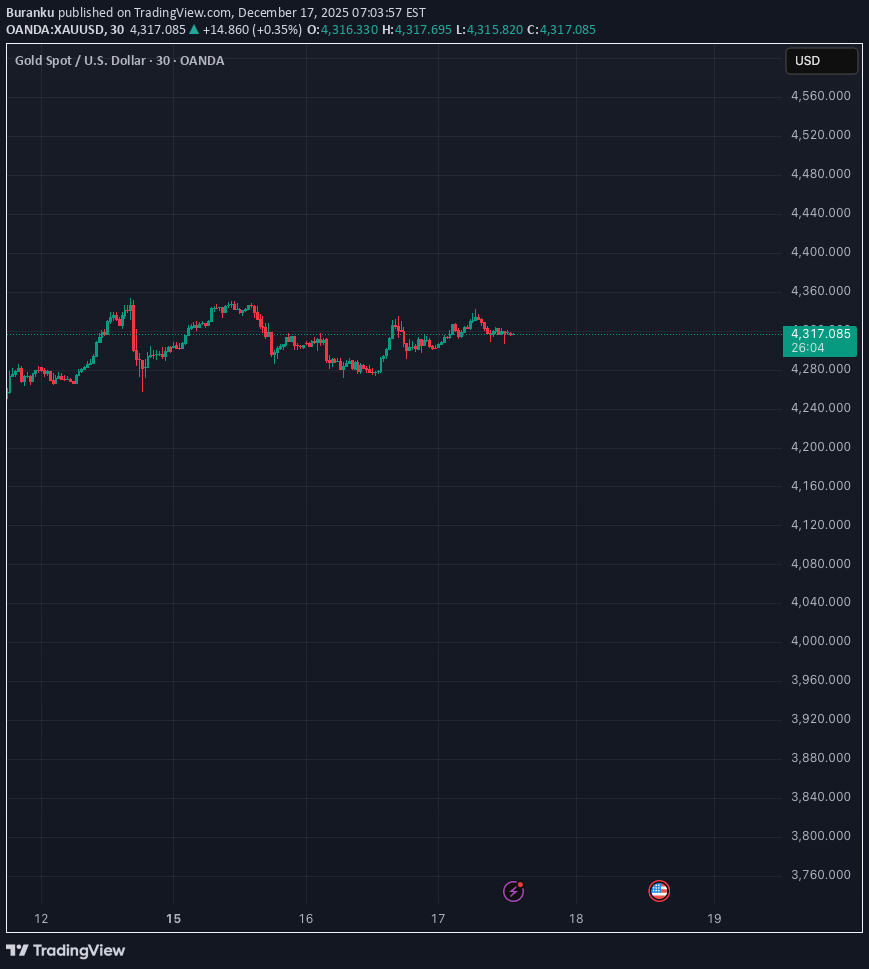
Report summary Policy is loosening at the margin in the U.S. while Europe tightens the screws on Russia’s energy trade and debates how to mobilize frozen Russian assets. Japan’s new fiscal push is lifting JGB yields to multi-decade highs and keeping the yen on the defensive. Together, these currents are softening the dollar’s grip on global liquidity, adding a modest risk premium to crude, and supporting gold on dips. U.S. equities remain biased higher into year-end on easier financial conditions and AI-led capex, but the tape is sensitive to data and the path of Fed easing. The key swing risks are (i) how aggressively Brussels enforces energy sanctions and what it does with Russian reserves, (ii) the size and financing of Japan’s stimulus, and (iii) any renewed U.S. action that crimps Venezuelan or Russian flows. The day’s developments below, each with source-backing, anchor the outlook and the asset implications that follow. Market reactions U.S. rates policy has shifted into a gentler stance after the Fed’s latest “cut-and-cap” step, which flowed through to benchmarks that set household and corporate borrowing costs: the WSJ Prime Rate reset to 6.75%, signaling easier domestic financial conditions even as officials continue to jawbone about data dependence. Equities traded constructively into the close on days when cuts came into view; the dollar’s trade-weighted measures have been choppy rather than one-way, reflecting the tug-of-war between U.S. easing and non-U.S. macro weakness. The immediate read-across has been mildly risk-on in U.S. indices, a firmer tone in cyclicals when the dollar eases, and a sturdier bid for gold on dips as real yields edge lower. Energy is trading with a small geopolitical premium as Washington steps up enforcement around sanctioned barrels and logistics: the U.S. seizure of a tanker carrying Russian crude bound for Venezuela underscored a tougher stance that can intermittently tighten Atlantic Basin supplies, particularly for sour grades that refiners still need. The action slots into a broader pattern of enforcement escalation that also includes Brussels’ blacklisting of named intermediaries in Russia’s oil trade. In Europe, policy noise remains bond-spread relevant. EU leaders are pressing on with mechanisms to harness frozen Russian assets, either through securitizing future windfall profits or more assertive constructs, while simultaneously tightening sanctions implementation. Even without a final legal architecture, the policy direction keeps an incremental bid under EU defense and energy security themes and a watchful market eye on any retaliatory steps from Moscow. Japan is the cleanest macro impulse outside the U.S.: a larger-than-expected supplemental budget and the signalling around it have pushed the 10-year JGB yield into territory not seen since 2008, with the long end (20s/30s) bear-steepening on supply expectations. The “Takaiichi trade” (bigger fiscal, more JGB duration) has kept USDJPY biased topside and intervention risk alive if volatility accelerates, even as foreign buyers step in for long-dated paper on yield pick-up. Strategic forecasts In the U.S., the near-term base case is a modest easing cycle that proceeds cautiously, enough to keep financial conditions supportive but not so fast as to reopen an inflation impulse. That mix should keep the growth/quality factor bid in equities while anchoring the front end of the curve. The dollar’s medium-term path hinges on relative growth; with Japan and parts of Europe leaning on fiscal outlays to offset weak private demand, the cyclical gap to the U.S. may narrow, which would reduce the dollar’s carry advantage at the margin. Europe’s sanctions enforcement will matter more than new headline packages. By moving beyond flags of convenience to named traders, the EU raises the cost of sanctions evasion; that can marginally tighten Russian export logistics, nudge Urals differentials wider, and transmit to Brent when inventories are lean. If Brussels also operationalizes larger-scale use of Russian reserves (even via windfall profits), expect legal contestation but also a clearer multi-year funding path for Ukraine that markets will discount into EU sovereign supply and defense-industry orderbooks. Japan’s fiscal-plus-yields mix remains a global duration shock absorber. Higher JGB term premia pull some marginal capital home and raise the bar for U.S. long-end rallies; at the same time, the carry math still disfavors the yen until either term premia narrow or the MoF/BoJ set a sharper line in the sand. Watch the 155–160 zone for signaling shifts. Fiscal & political implications Washington’s firmer sanctions enforcement (Venezuela/Russia lanes) is domestically sellable, tough on Moscow, minimal headline gasoline pain for now, and internationally coordinated with Brussels’ trajectory. But if enforcement materially crimps heavy/sour availability, refiners’ margins will widen and some downstream prices could feel it, complicating the Fed’s disinflation optics later in 2026. In Brussels, moving from “package talk” to enforcement and asset-use mechanics carries legal-political risk. The more Brussels leans into frozen reserves, the higher the probability of countersanctions or litigation that could entangle EU banks and clearing systems; nonetheless, markets typically reward credible multi-year Ukraine financing with tighter periphery spreads relative to a muddle-through. Tokyo’s budget arithmetic—bigger deficits and heavier long-dated issuance—raises debt-sustainability chatter but also catalyzes domestic political support by cushioning households. The global spillover is via rates (bear steepening) and FX (yen weakness unless the MoF acts). Risks & opportunities Primary risks: (i) a sanctions-driven crude spike if enforcement bites at the same time OPEC+ supply discipline holds; (ii) yen volatility that forces disorderly covering in carry structures; (iii) a slower-than-assumed U.S. disinflation path that crimps the Fed’s ability to ease. Offsetting opportunities: (a) defense and energy-security capex in the EU; (b) Japan value and banks benefiting from higher term premia; (c) U.S. quality growth/AI infrastructure as capex remains resilient even with a softer policy rate backdrop. Asset-by-asset take XAUUSD (Gold): The policy-mix now, gentler Fed, firmer sanctions enforcement, keeps dips supported as real yields drift lower and geopolitical risk premia pulse higher when oil logistics are disrupted. Expect buy-the-dip behavior into support zones on any DXY soft patches; the bigger risk to gold is a renewed back-up in real yields if U.S. data re-accelerate. S&P 500 / Dow Jones: Easing financial conditions and resilient AI-capex narratives leave the path of least resistance higher, but breadth will matter if the dollar firms or if input costs rise with oil. Cyclicals should outperform on days when the dollar weakens; quality growth remains core as long as the Fed signals cut-and-cap rather than cut-and-panic. USDJPY: The fiscal-led rise in JGB yields hasn’t flipped the sign on interest differentials; the pair stays biased topside while MoF intervention risk caps extremes. A disorderly move toward 160 would likely invite action; calmer sessions still favor a grind higher if U.S. long rates hold up. DXY (broad dollar): Near-term two-way. U.S. easing argues for a softer DXY, but Europe’s growth drag and Japan’s still-easy policy limit how far rivals can rally. Enforcement-related oil spikes can be dollar-positive via risk aversion; credible Ukraine-funding progress would be euro-supportive on the margin. Crude oil (Brent/WTI): Enforcement actions, from EU blacklisting of oil intermediaries to U.S. seizures around sanctioned flows—insert a small, persistent premium into the curve, especially for heavy/sour grades. If OPEC+ compliance stays tight and OECD stocks draw, the upside tails fatten; conversely, a growth scare in Europe would shave demand and limit rallies.
Buranku
تحلیل جهانی: سه نیروی اصلی بازار، دلار، تحریمها و سیاست ژاپن
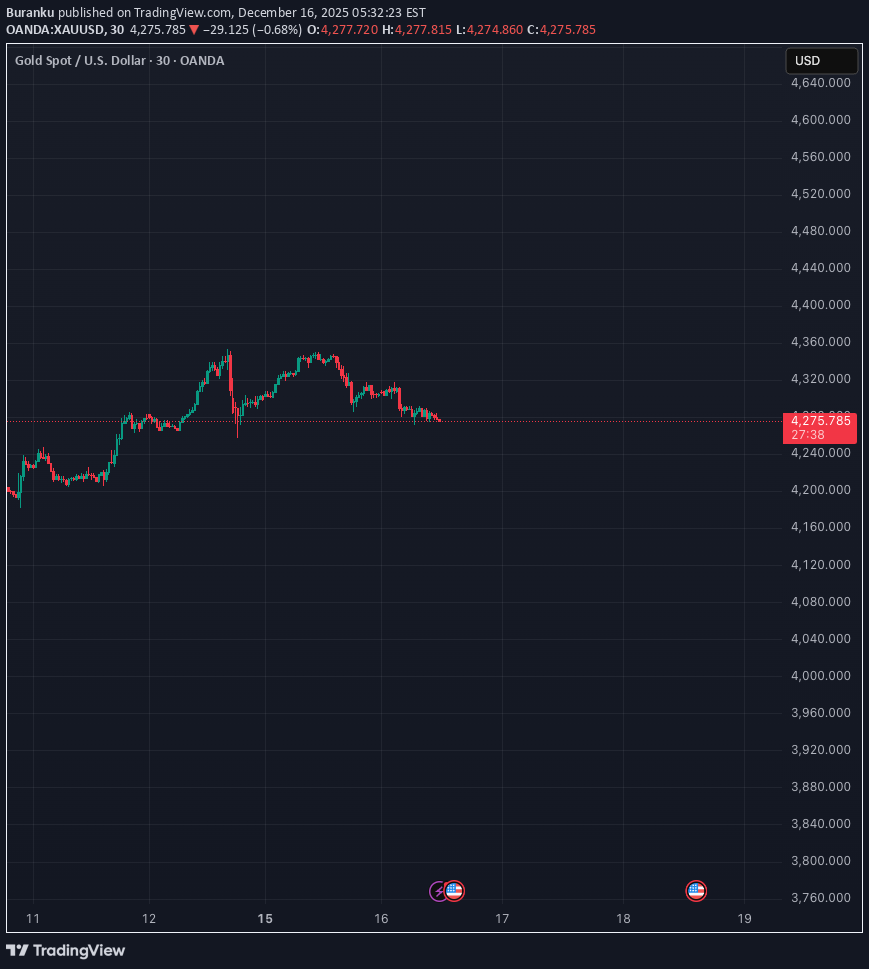
Macro & Geopolitical Wrap The current market tape is being steered by three overlapping currents: an easier U.S. policy stance after the Fed’s first “cut-and-cap” step, Europe’s turn toward more aggressive sanctions enforcement on Russia’s energy trade, and Japan’s fiscal-led upswing that is re-pricing JGBs and the yen. Together they are loosening the dollar’s grip at the margin, lifting risk appetite in U.S. equities while inserting a small risk premium into crude and supporting gold on dips. In the prior stretch, the Fed lowered the target range to 3.50%–3.75% and the WSJ U.S. Prime Rate reset to 6.75%; U.S. equities responded constructively and the WSJ Dollar Index slipped, signaling easier U.S. financial conditions into year-end. Europe is simultaneously tightening the screws on Russia’s export machine. Brussels has moved beyond ship-to-ship antics and flags of convenience to sanction named intermediaries and traders—the EU has now blacklisted facilitators including Etibar Eyyub and trader Murtaza Lakhani—marking a practical shift from broad embargoes toward targeted enforcement at the trading layer. That raises execution risk for Russian barrels, especially Urals and ESPO, and increases friction costs for the shadow fleet. The U.S. seizure of a sanctioned-linked tanker off Venezuela underscores that enforcement is no longer theoretical and raises tail-risk around incidental supply disruptions. In Europe, policy also remains entangled with Ukraine finance. EU officials continue to press a plan to leverage frozen Russian assets into a large reconstruction loan for Kyiv, even as a competing U.S. concept would channel those assets into U.S.-led investment vehicles—an approach EU voices view as exploitative and potentially destabilizing to transatlantic unity. The trajectory matters for EU rates, the euro’s policy risk premium, and for energy sanctions credibility. At the same time, Christine Lagarde is urging a pivot from the bloc’s “old growth model” toward strengthening domestic demand, a frank acknowledgment that an export-heavy model has become a vulnerability in a fractured world. That framing is consistent with her recent remarks that Europe must double down on its internal market to cushion global turbulence. Japan is the third leg. A sizeable stimulus package and expectations of heavier JGB supply have propelled long-dated yields to cycle highs, reviving a “fiscal-risk premium” trade and complicating the yen path. Domestic coverage highlighted renewed selling pressure on JPY as the cabinet approved a multi-trillion-yen plan; the policy mix keeps USDJPY caught between higher local term premia and the risk of MoF intervention if volatility spikes. Market reaction and transmission U.S. assets are reflecting the Fed’s gentler path: the prior session’s bid to the Dow and S&P 500 alongside a softer WSJ Dollar Index captured an easing of financial conditions. The signal is textbook: cheaper policy rates, lighter dollar, and narrower credit spreads tend to support cyclicals and duration-sensitive tech. The complication is the sanctions-energy axis: stricter enforcement raises headline risk in crude and shipping, potentially reheating near-term inflation breakevens even as core disinflation persists, a mix that can cap multiple expansion if oil spikes. Europe’s stance—tougher enforcement plus a search for new Ukraine-finance architecture—keeps EU sovereign supply heavy and risk premia sticky, consistent with Lagarde’s call to re-engineer growth toward internal demand. That argues for a choppy EUR path: better domestic demand would support the euro over the medium run, but near-term fiscal overhang and fragmented sentiment keep rallies uneven. Japan’s fiscal thrust and rising JGB term premia tighten local financial conditions while pushing global real yields a touch higher via cross-market arbitrage. If the yen slides too far too fast, intervention chatter returns, a classic volatility damper for USDJPY that can transmit into global risk via forced macro unwind. Strategic outlook (1–3 months) Base case: a mild “Goldilocks-with-friction” regime. The Fed’s cut-and-cap stance supports U.S. risk assets; the dollar drifts lower on easier policy unless a new energy shock arrives. Europe grinds forward with sanctions and Ukraine finance, keeping EU rates term premia slightly elevated. Japan runs hotter fiscally, sustaining higher JGB yields and a two-way, intervention-sensitive yen. Tail risks cluster around enforcement accidents in energy/shipping, a geopolitically induced oil spike, or a disorderly yen move. Asset-by-asset implications XAUUSD (Gold). The combination of a softer dollar impulse, sanction-related energy jitters, and policy hedging argues for buy-the-dip behavior. If oil or shipping headlines flare, gold’s insurance bid increases. Conversely, a sharp yen rebound on intervention could firm the dollar index tactically and dull gold’s momentum near highs. S&P 500 / Dow Jones. Easier U.S. financial conditions and still-ample AI/CapEx themes keep the medium-term trend supported, particularly for quality growth and cash-generative cyclicals. The risk is an oil-led pop in breakevens that compresses multiples, producing a “chop not drop” tape. Near-term leadership skews to megacap tech and energy services as sanctions tighten. USDJPY. Higher Japanese term premia and fiscal optics bias the cross upward, but positioning is sensitive to intervention rhetoric if spot accelerates. Base case is range-trading with spikes faded when MoF signals appear; any BoJ signaling toward further normalization would add a durable JPY floor. DXY (Dollar). The directional driver is the Fed’s easier stance versus the rest of the world. With Europe tightening sanctions but not policy and Japan adding fiscal impulse, the balance leans modestly softer dollar unless risk shocks revive safe-haven demand. The recent slippage in the WSJ Dollar Index fits this narrative; sustained oil stress would be the main spoiler. Crude Oil. Sanctions at the trading layer plus active U.S. enforcement lift friction costs and raise the probability of transient supply outages, supporting time spreads and a modest risk premium. If shipping seizures multiply, watch Brent backwardation steepen; conversely, evidence of successful Russian rerouting or higher OPEC+ exports could cap rallies. European Equities & Banks (read-through). A tougher sanctions regime and a long, expensive Ukraine-finance debate keep valuation compression risks alive in Europe’s heavy emitters and energy-intensive cyclicals, while domestic-demand beneficiaries and capital-light tech/defense see relative support. Lagarde’s push for a new growth mix favors internal-market plays over pure exporters until global trade improves. Fiscal and political angles Washington’s sanctions enforcement posture—and willingness to project it into the Caribbean basin—signals bipartisan continuity on Russia/Iran energy pressure regardless of domestic political churn, which markets will read as structurally tighter compliance risk for traders, shippers and insurers. Brussels’ focus on both sanctions and creative Ukraine finance underlines EU fiscal pragmatism amid a growth reset outlined by Lagarde; the politics point to incrementalism, not a grand bargain, which argues for periodic headline risk in European rates and FX. Tokyo’s fiscal push is explicitly growth-first; it elevates issuance needs, nudges term premia up, and, via the yen, can export a touch of financial-conditions tightening abroad, a dynamic to monitor for global duration. Risks and opportunities Key downside risks are a sanctions “accident” that removes meaningful Russian or Venezuelan barrels, a disorderly yen move that forces BoJ/MoF action and shakes global risk, or an EU political setback on Ukraine finance that cheapens the euro via risk-premium channels. Offsetting opportunities include a durable dollar drift lower that lifts non-U.S. risk assets, secular AI-capex resilience that props U.S. earnings even as rates fall, and European policy follow-through on deepening the single market that narrows valuation gaps. Positioning takeaways. Stay constructive but hedged: favor U.S. quality growth/cash-flow cyclicals; hold tactical energy exposure as sanctions bite; keep gold as policy/geopolitics insurance; trade USDJPY tactically with an eye on MoF signaling; fade extended dollar strength absent a new macro shock. The base case remains modest risk-on with episodic commodity- and FX-led air pockets rather than a regime break.
Buranku
Report 15/12/25
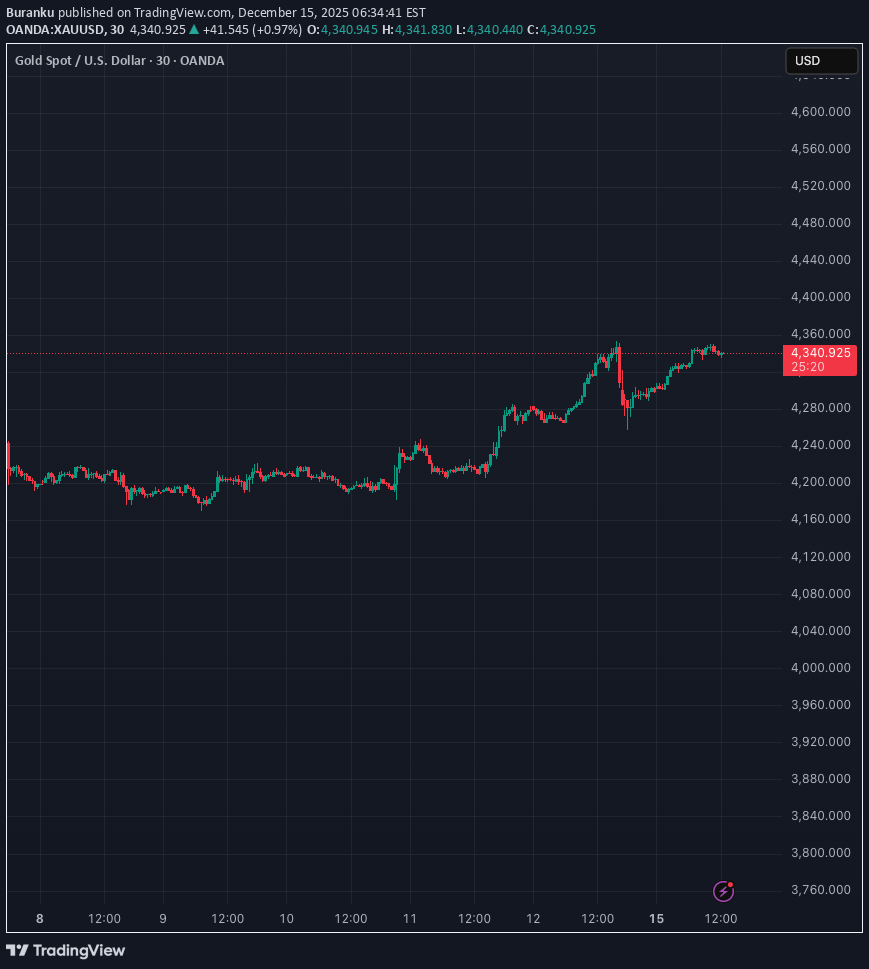
Report summary: The Federal Reserve lowered the target range to 3.50%–3.75% and the WSJ U.S. Prime Rate reset to 6.75%, confirming the beginning of an easing cycle. Equity markets responded constructively into mid-December (Dow +1.05%, S&P 500 +0.67% on 11 Dec), while the WSJ Dollar Index slipped to ~96.2 (-6.4% YTD), reflecting easier financial conditions and a modest risk-on tone. The cut fed through to money markets quickly (effective fed funds ~3.64%) and was codified in prime/discount rate changes effective Dec 11–12. Concurrently, Washington seized a tanker carrying ≈1.85 million barrels of Venezuelan crude and signaled further actions—a move that has temporarily paralyzed tanker traffic around Venezuela and tightened the “shadow fleet” bottleneck for sanctioned barrels (Russia/Iran/Venezuela). The IEA, meanwhile, sees a smaller 2025–26 oil surplus as OPEC+ pauses output hikes in 1Q and demand assumptions edge up; Brent trades a little above $61 with inventories high but logistics and sanctions keeping prices stickier than modelled. Layer on Japan’s rising yields near multi-decade highs and stepped-up U.S.–Japan security signaling (B-52/F-35 drills), and global FX/rates volatility remains a live tail risk into year-end. Market reactions (now) Equities leaned positive into and after the cut, with the S&P 500 sitting within striking distance of its high and the Dow printing fresh closing strength. The WSJ Dollar Index wobbled lower day-over-day (96.7 → 96.2), consistent with a relief bid in risk and easier U.S. rates. Money-rate tables show the policy shift rippling through o/n funding (SOFR and repo nudging down) and prime/discount rate resets, all of which help financial conditions at the margin. In energy, headline prices are surprisingly stable given record “oil on water” and sanctioned barrels; analysts attribute the stickiness to sanctions frictions, longer routes, and China’s strategic stockpiling—plus uncertainty over how quickly “dark” barrels can find end buyers. Strategic forecasts Monetary policy: The Fed has initiated a “cut-and-cap” style easing. Options markets and rate-probability trackers embedded in WSJ coverage imply investors are nudging up the probability of multiple 2026 cuts, though the path is data-dependent. Base case is a shallow U.S. easing path that sustains a mildly weaker dollar and flatter U.S. curve into 1H26, barring upside inflation surprises. Geopolitics/energy: Even sporadic U.S. seizures could depress Venezuela’s exportable supply and widen discounts, tightening available heavy barrels and intermittently lifting refined product cracks. If sanctioned flows re-route to willing buyers via ship-to-ship transfers, the crude headline balance stays comfortable, but logistics premiums persist, keeping Brent in a higher-than-warranted range versus inventory math. Asia/rates: Japan’s 10-year hovering near ~1.8–1.9% keeps upward pressure on global term premia during stress episodes and complicates USDJPY if the MoF leans against FX volatility. Security coordination with the U.S. adds a geopolitical risk premium to the region if China-Taiwan tensions flare. Fiscal & political implications The Fed’s move lowers debt-service costs across U.S. sectors and marginally improves refinancing math for duration-heavy balance sheets. Lower prime eases consumer/SMB credit strains and supports housing turnover via mortgage-rate drift, though credit availability remains tight. In energy policy, the U.S. campaign against shadow flows raises diplomatic friction with countries hosting or financing the gray fleet and may force EU/Asian refiners to navigate tighter compliance—politically salient if fuel prices jump suddenly. Risks Near-term, the biggest market risk is a stop-and-go oil shock if seizures scale and a risk-off dash strengthens the dollar despite Fed easing. A second is a “Japan spillover”: a sharp JGB move that jars global rates/FX and prompts disorderly USDJPY swings. A third is growth disappointment that turns today’s soft landing into an earnings-growth air pocket, re-widening credit spreads after December’s relief. Probabilities for a faster Fed path are inherently linked to inflation prints; WSJ’s money-rate backdrop still shows core CPI running ~3% YoY in the latest table—a reminder the last mile isn’t done. Opportunities Duration and quality credit screen favorably into a gentle U.S. easing path; WSJ commentary notes investors adding duration as cut odds for 2026 improve. Select energy equities with exposure to heavy-sour barrels and complex refining may benefit from widening differentials/logistics premia even if spot crude remains range-bound. In equities, beneficiaries of lower discount rates and stable growth (U.S. large-cap quality, AI-infrastructure adjacencies) retain support, while banks and interest-sensitive cyclicals benefit from easier funding—provided credit quality holds alongside employment. Asset-by-asset impact XAUUSD (Gold). Directionally supported by lower real rates and a softer dollar; geopolitical bid from Venezuelan tensions adds tail risk. Baseline bias is modestly higher with pullback risk on any USD spike. Monitor DXY and real-yield ticks; a durable break higher in DXY would cap the move. S&P 500. The cut extends the soft-landing narrative and compresses equity risk premium near the highs; path forward hinges on 4Q/1Q earnings breadth. A stickier oil/logistics premium would nick margins for energy-intensive sectors but help refiners and midstream. Near-term tone stays constructive while the dollar stays subdued and funding eases. Dow Jones. More value and industrials exposure benefits from easier domestic credit and capex resilience. Watch for upside in defense/energy logistics if tanker tensions persist; downside if a dollar rebound tightens global financial conditions. USDJPY. Two-way risk increases: Fed easing is yen-supportive at the margin, but higher JGB yields and any MoF jawboning/intervention risk can trigger sharp squeezes. Security headlines add volatility. Base case is choppy consolidation rather than a trend break until BoJ policy clarity improves. DXY (broad USD). The index has slipped as cuts began; further drift lower is plausible if growth stays decent and inflation cools, but any shock (oil spike, geopolitics, Japan rates tantrum) can force a dollar rebound. Tactical bias: sell rallies while the policy-rate differential narrows—tight stops given event risk. Crude Oil (Brent/WTI). Headline balances look loose, yet sanctions/logistics are preventing deeper price declines; the U.S. seizure program is the wild card. Expect a choppy, headline-sensitive range near low-$60s Brent, with upward spikes on enforcement days and fades as barrels re-route to end buyers or Chinese storage. What to watch next Watch the pace and frequency of U.S. maritime enforcement around Venezuela and any EU/Asian compliance echoes; a sustained disruption raises the probability of transient refined-product tightness. Track JGB auctions and BoJ communications for signs of a firmer ceiling on yields; disorderly moves would spill into global FX and long-end U.S. rates. Finally, watch the WSJ Dollar Index and funding prints (SOFR/repo) for confirmation that easier policy is filtering cleanly into money markets without unintended tightness.
Buranku
Report 14/12/25
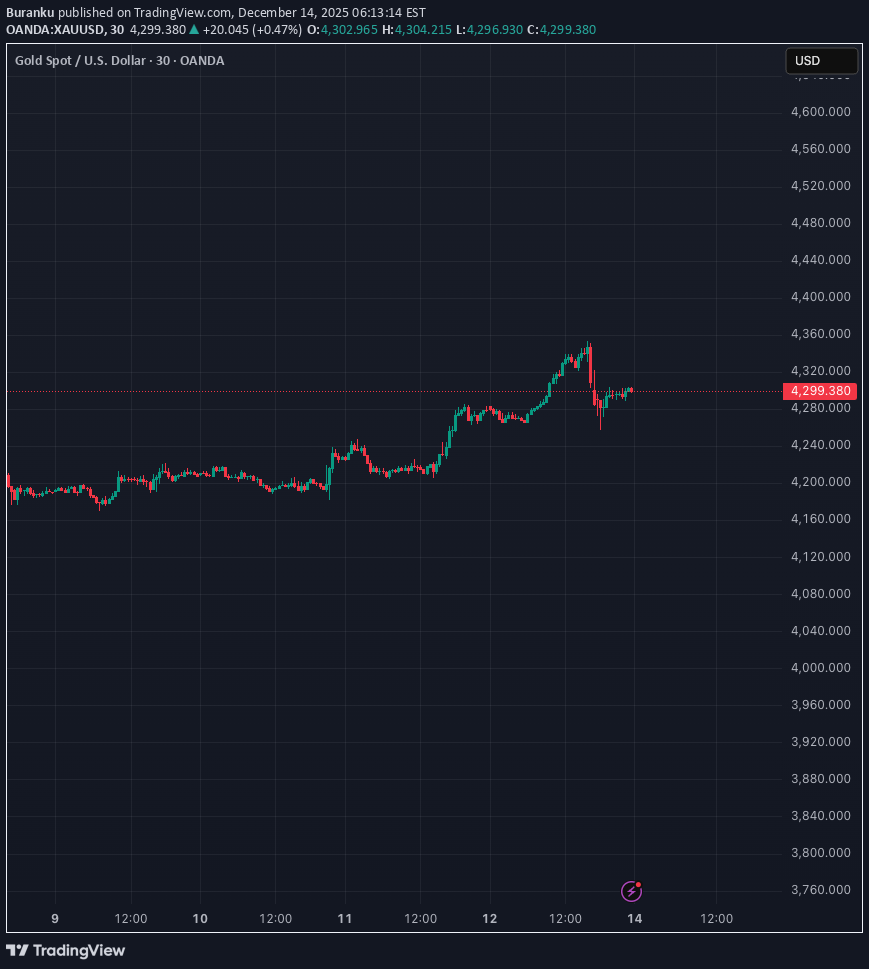
Report summary Markets are weighing a dovish-leaning Federal Reserve against rising geopolitical risk in the Americas and persistent war risk in Eastern Europe. The Fed cut rates by 25bp to 3.50%–3.75% with three dissents—the most since 2019—while President Trump publicly floated Kevin Warsh and Kevin Hassett for Fed chair and said the next chair “should consult” him on rates, even musing about “1% and maybe lower,” which injects an unusual degree of political risk into the rates path (WSJ A1–A2). On the geo side, the U.S. surged assets into the Caribbean and discussed options that include land strikes and tighter oil-embargo enforcement on Venezuela; local ports/airfields braced and commercial traffic began reversing, implying near-term oil/logistics risk premia (WSJ A1, A8). The U.S. also interdicted China-sourced dual-use cargo bound for Iran—a rare at-sea seizure—signaling stepped-up pressure on Tehran’s rearmament channels (WSJ A7). In Ukraine, Kyiv’s front remains under strain but stable; Zelensky staged a visit on Kupyansk’s edge to signal resilience while NATO officials framed Russian advances as “marginal,” keeping attrition the core dynamic (WSJ A7). Market reactions & near-term setup U.S. rates markets priced the Fed’s cut as insurance against labor-market slippage, but public splits among voters and Trump’s rate commentary keep term-premium volatility alive into year-end. The calendar is dense: BoE and ECB decisions arrive with a broadly steady-to-easier bias, while analysts are split but “on balance” expect the BoJ to hike 25bp, a non-consensus tail that matters for USDJPY and JGB/UST spillovers (WSJ A2 sidebar, “Central Banks’ Big Week Ahead”). In equities, AI-capex leadership has softened at the margin, and the file flags a “potential delay” in hundreds of billions of AI spend as a pressure point for the tech-led rally (WSJ Page One news digest). Energy and defense cohorts have a firmer bid on Venezuela/Iran headlines and on evidence of accelerated U.S. doctrinal and procurement shifts toward drones/HIMARS in the Pacific (WSJ A6). Strategic forecasts Policy. The Fed’s public division—two “no-cut” dissenters versus a larger dovish-insurance bloc—argues for meeting-by-meeting optionality through Q1. Any perception of political influence over chair selection or over rate-setting raises the risk of a steeper curve as investors demand compensation for policy uncertainty. Expect terminal-rate path marked down modestly but with fatter tails (both ways) around growth and inflation shocks (WSJ A2). Geopolitics. The U.S. posture toward Venezuela points to more aggressive maritime/financial enforcement; the report notes tankers aborting approaches and airlines canceling flights as local authorities ready air defenses—real-economy frictions already visible (WSJ A8). Base case: a rolling, sanction-enforcement squeeze rather than immediate strikes, but the probability of discrete precision strikes is higher than it was a week ago. The Iran seizure hints at a broader campaign against procurement routes; pair that with any Israel–Iran flashpoint and you get intermittent MENA risk premia (WSJ A7). Ukraine remains attritional; neither side has near-term breakthrough capacity, implying a long tail of demand for air defense, counter-UAS, artillery shells, and ISR, with Europe and the U.S. as the supply anchors (WSJ A7). Fiscal & political implications Lower policy rates relieve Treasury funding costs at the margin, but explicit political rhetoric around pushing rates “to 1%” to finance ~$30T debt elevates the optics risk and may widen term premia if investors infer diminished Fed independence (WSJ A2). In the U.S. domestic lane, the ACA subsidy fight and rail-labor bonus optics are reminders that 2026’s fiscal priorities will stay contested; none of this is immediate market-moving, but it constrains ambitious deficit-reduction timelines and sustains supply overhang in UST issuance (WSJ A5). Key asset impacts XAUUSD (gold). Blend of Fed insurance cuts, chair-selection noise, and rising sanctions/kinetic risk in the Caribbean and Persian Gulf is gold-positive on dips. A BoJ hike that dents the dollar would add support. Near-term elasticities: + on Venezuela/Iran enforcement or Ukraine escalations; modest – if U.S. disinflation accelerates and real yields back up (WSJ A1–A2, A7–A8). S&P 500 / Dow Jones. Broader indices prefer an orderly Fed glide-path and soft-landing data, but tech leadership is vulnerable if AI-capex timing slips, as flagged in the file; cyclicals and defensives could rotate leadership on any energy bid and defense outperformance (WSJ Page One digest; A6). Dow components with energy/industrial exposure gain from higher crude and capex; banks stay sensitive to curve-steepening and Fed governance optics (WSJ A2). USDJPY & DXY. A BoJ hike would lean JPY-supportive and DXY-negative at the margin. However, if U.S. term premia rise on Fed-independence fears or hotter U.S. data, the dollar bounce can overwhelm BoJ effects. Watch the policy mix: BoJ lift-off plus benign U.S. inflation is the cleanest path to sub-150 USDJPY; the converse keeps carry intact (WSJ A2). Crude oil. Venezuela headlines are the biggest incremental driver in this report. Even without immediate strikes, the piece describes tangible shipping reversals and airport disruptions, consistent with rising operational risk and a higher probability of tighter enforcement on sanctioned barrels. Layer in the Iran cargo seizure and you have a sturdier risk premium under crude near-term (WSJ A7–A8). Risks to the outlook Policy risk includes a more fractured FOMC path that confuses guidance, or a chair appointment that markets read as politically captive (steeper curve, risk-off). Geopolitical risk includes an accident-escalation in Venezuelan airspace or at sea, or an Iran–U.S. maritime clash following interdictions. Macro risk includes an earlier-than-priced BoJ shift that jolts JPY and global fixed income, and an AI-capex slowdown that undermines equity multiple support (WSJ A2; Page One digest; A7–A8). Opportunities & positioning ideas (tactical/strategic) Defense and dual-use tech look underpinned by U.S. Pacific doctrine changes and European/NATO replenishment demand. Energy names and tanker owners benefit from wider crack spreads and freight premia if Caribbean/MENA enforcement tightens. On FX, fading extreme USDJPY strength on a BoJ-hike headline risk makes sense, but keep stops tight given Fed term-premium uncertainty (WSJ A6; A2). Gold remains a buy-the-dip hedge into year-end as long as real yields don’t lurch higher.
Buranku
تسلا، هوش مصنوعی و معمای سرمایهگذاری: سه نیروی اصلی بازار در هفتهای پرنوسان
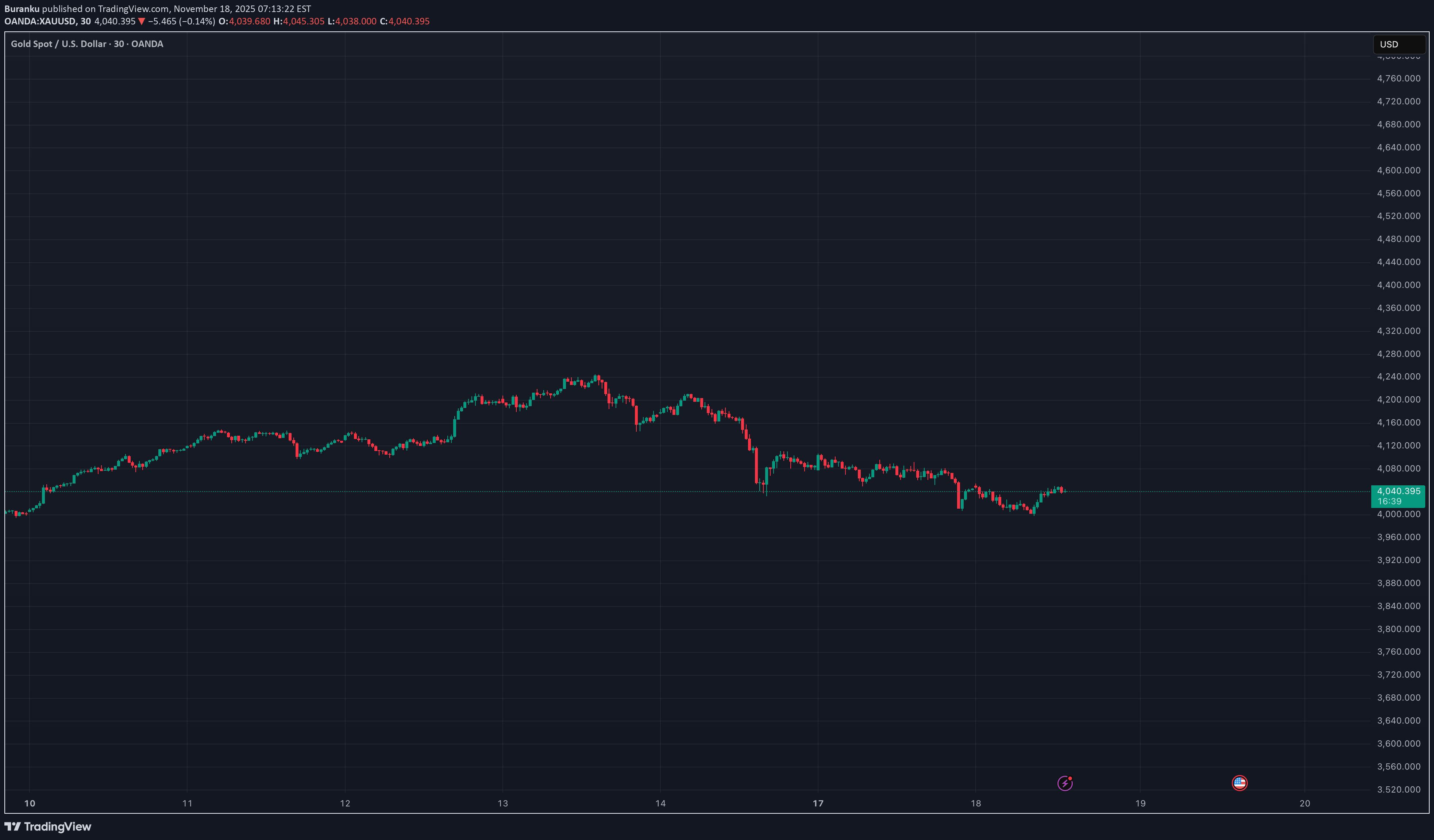
Summary The next leg of the market narrative is being pulled in opposite directions by three forces: Tesla’s shareholder vote on an unprecedented, performance-contingent $1 trillion award that would cement Elon Musk’s control over a “physical-AI” strategy; a renewed wave of mega-cap AI capex that is visibly compressing margins at some tech leaders while strengthening others via cloud cash flows; and a fragile, tariff-truce détente between Washington and Beijing that eased tail risk but leaves core strategic frictions unresolved. Into this mix, risk appetite wobbled as a broad selloff swept across equities, crypto, and even gold late last week, while oil slumped and the dollar stayed firm against the yen, reminding investors that positioning and liquidity matter as much as fundamentals in the near term. Tesla’s vote is the catalyst that concentrates these themes. The package would lift Musk’s stake to roughly 25% on stretching milestones, including audacious targets for market value and operational delivery tied to robotaxis and the Optimus humanoid platform. The governance optics are controversial, but the market read is binary: either lock in the “key-man” premium that underwrites Tesla’s robot ambitions, or risk a multiple that re-anchors on autos and energy storage if leadership or strategy fragment. Reporting indicates investors broadly expect passage, and U.S. press has framed the plan near-term as “likely to pass,” with big holders signaling support. The immediate vector for TSLA, then, is not demand for EVs in Q4, but whether investors are willing to keep discounting high-variance, long-dated FSD/robotaxi/robot cash flows on faith that Musk stays, and executes. At the same time, Big Tech’s AI arms race is reshaping P&Ls and factor exposures. Meta has guided capex up again into a ~$64–72 billion band for 2025 (with spending heavily skewed to data-center equipment that depreciates over ~5½ years), and its Q3 results showed costs rising faster than revenue, souring sentiment as investors reassessed the “spend now, profits later” trajectory. Alphabet also lifted capex materially this year (to the ~$70–75 billion zone), but benefits from Cloud profitability and stronger free-cash-flow momentum, softening the blow relative to Meta. Microsoft continues to show Azure revenue growth around the 30–40% range with high-40s to low-40s operating margins in Intelligent Cloud, keeping the cash-engine humming even as depreciation ramps. The message for markets is straightforward: AI is no longer just an “NVIDIA trade”, it is a capital-intensive, margin-shifting infrastructure build-out that helps owners of rentable compute (clouds) and strains ad-only models that lack a cloud payback. The macro backdrop isn’t standing still. A fragile U.S.–China trade calm followed leadership talks that paused some tariff escalations and delayed rare-earth restrictions for a year, lowering immediate supply-chain stress and trimming the “worst-case” path for the dollar and global growth volatility. But analysts caution that structural rivalry remains intact, and any reprieve could fade as technology controls and election-year politics re-assert themselves. The effect is “less bad, not solved,” which markets will treat as volatility-suppressing while it lasts. Market reactions (now) Into the weekend and Monday session, risk assets stumbled in concert. U.S. stocks slid, the Dow closed near 46,590, oil fell hard toward the high-$50s, and even havens wobbled as traders de-risked broadly; the euro hovered near $1.16 and USD/JPY around ¥155. A single-session snapshot never tells the whole story, but the breadth of the selloff, “ensnaring everything from gold to crypto to highflying tech”, speaks to tight positioning meeting a liquidity pocket, not a sudden change in the economic data. Strategic forecasts For the next 1–3 months, the path of least resistance is choppy but range-bound risk. If Tesla’s plan passes, the “physical-AI” optionality narrative can re-inflate specialty AI and autonomy beta even if near-term EV unit data stay soft; if it surprises by failing, expect an abrupt de-rating in “far-dated optionality” names and a quality/margin rotation back toward cash-rich cloud providers. Beneath the surface, AI-capex leakage into the real economy, power demand, land for data centers, transformers, grid upgrades, should keep non-tech cyclicals like utilities equipment, select industrials, and specialized REITs on a firmer trajectory, even as ad-driven platforms digest depressed operating leverage. On policy, the tariff truce keeps DXY capped versus Europe but supported against Asia until there is clarity on tech controls; any renewed chip-export tightening would be dollar-positive vs. CNY/JPY but equity-negative near term. Fiscal and political implications The AI build-out is becoming a fiscal and regulatory story. Power-grid bottlenecks will invite incentives, permitting reform, and local tax debates; capex-heavy tech will lobby for rapid interconnection timelines and favorable depreciation schedules to cushion income statements. Internationally, Washington’s need to coordinate with allies on “de-risking” versus China will continue to produce mini-deals that ease immediate trade noise without resolving the core strategic contest, keeping corporate planning in a “just-in-case” mode. Domestic labor and household stress remain in focus, shutdown aftershocks and partial SNAP payments demonstrate both the system’s resilience and its limits, with court-ordered funding workarounds creating administrative frictions that can dent near-term consumption at the margin. Risks Execution risk dominates. For Tesla, commercialization of FSD at meaningful attach rates and regulatory-permitted robotaxi operations is the hurdle, not demos; any high-profile setback in autonomy safety would sharply compress the “option value” embedded in TSLA. For Big Tech, the risk is a capex-driven margin air-pocket that collides with a softer ad tape or slower cloud bookings. Macro-politically, the U.S.–China respite could evaporate on chips, rare-earths, or maritime incidents; sanctions slippage via Russia-China energy trade complicates oil balances and could reignite volatility if enforcement tightens. Lastly, positioning risk is acute: with crowded exposures in AI beneficiaries and gold/crypto hedges, air pockets can produce “sell everything” days like we just saw. Opportunities Investors can lean into AI infrastructure second-derivatives, power, grid equipment, switchgear, long-lead transformers, specialized construction, and select data-center landlords, where backlog visibility is rising with less headline risk than ad-supported platforms. Within tech, prefer cloud vendors with improving unit economics over ad-only models until depreciation crests. In autos, position for dispersion: high-quality suppliers leveraged to driver-assist and power electronics should hold up better than commodity EV assemblers until pricing stabilizes. For macro hedges, maintain a barbelled approach, quality duration and cash-generative defensives on one side; selective commodity exposure (especially if China continues to build oil reserves) on the other, while avoiding crowded, high-beta hedges that can unwind violently. Asset-by-asset take XAUUSD (Gold): The latest de-risking wave hit gold alongside crypto, which is unusual but not unprecedented when funds raise cash. Structurally, gold is still supported by negative real-rate impulses if the Fed leans easier into 2026 and by central-bank buying. Tactically, expect choppy consolidation after a parabolic year; add on dips that coincide with DXY spikes rather than chase strength. S&P 500 / Dow Jones: Mega-cap tech’s capex shock and margin questions argue for a narrower leadership with rolling corrections beneath the index. The Dow’s latest pullback to ~46,6k reflects de-risking, not a growth scare; breadth and earnings revisions, particularly in cloud, utilities-adjacent industrials, and healthcare, will dictate whether dips are bought. Near-term, a 3–5% volatility band is base case. DXY: The tariff truce and softer oil tone limit upside versus EUR, but DXY stays supported by U.S. growth differentials and higher carry versus JPY and some EM. Range 102–106 feels appropriate unless a new policy shock re-prices the Fed path or a sharper European slowdown materializes. USDJPY: With yen near ~¥155 and the BoJ’s normalization still glacial, USDJPY remains a funding-beta barometer. Episodes of global de-risking can pull it lower, but the structural trade favors rallies unless Tokyo accelerates policy shifts or U.S. yields break lower decisively. Crude Oil: Prices slipped toward the high-$50s despite geopolitics, aided by ample supply and China’s stockpiling strategy smoothing demand. Sanctions friction around Russian flows is real but porous; watch for enforcement surprises as the main upside risk. Base case: $58–70 WTI unless inventories tighten. TSLA (as a proxy for “physical-AI” beta): Passage of the plan likely sustains the optionality premium; failure compresses the multiple quickly toward autos/energy storage comps. Either way, volatility is elevated into and right after the vote; risk-manage with staged sizing and options overlays if expressing a view.
Buranku
سیاستهای جدید آمریکا: کاهش تعرفهها، توافق با سوئیس و بازگشت دادههای اقتصادی کلیدی
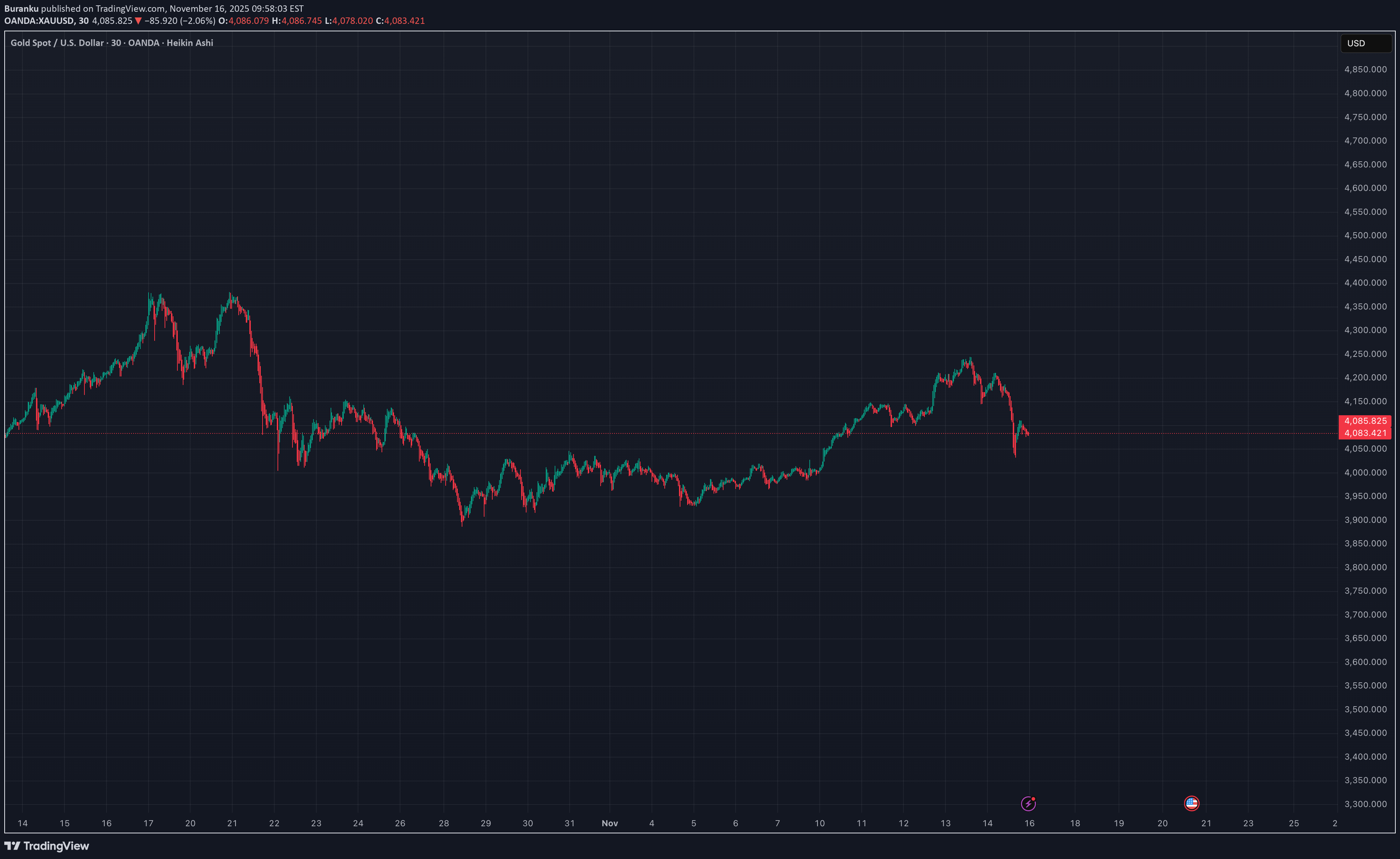
Macro & Geopolitical Risk Report The week delivered a meaningful policy pivot on tariffs, a tentative trade détente with Europe and Switzerland, and a muddled, but resilient, risk backdrop. U.S. equities were choppy yet finished essentially unchanged, rescued mid-week by dip-buyers; the Dow gained about 0.3%, the S&P 500 edged up 0.1%, and the Nasdaq slipped 0.5%. Ten-year Treasury yields and gold firmed, while a jump in U.S. natural-gas futures complicated the near-term disinflation narrative. The government re-opened and set Nov. 20 for the first backlogged jobs report, restoring a macro data anchor ahead of the December FOMC. Policy: The U.S. Walks Back Tariffs, Switzerland Deal Lands, EU Trade Recovers President Trump ordered tariff cuts on beef, coffee, and dozens of food items, an explicit walk-back of the broad “reciprocal” levies that had lifted consumer prices. The reductions are retroactive to 12:01 a.m. Thursday, Nov. 13. The shift reflects legal risk (recent Supreme Court skepticism of tariff authorities) and political pressure to blunt cost-of-living stresses. Separately, Washington and Bern clinched a deal cutting U.S. tariffs on Swiss goods to 15% from 39%, a dramatic de-escalation that came alongside Swiss pledges to invest roughly $200 billion in U.S. manufacturing (pharma, gold smelting and more) by 2028. The campaign to unlock the deal involved a sustained Swiss corporate push after tariffs hit in August. Across the Atlantic, EU exports to the U.S. rebounded in September to €53.1 billion (up 61% m/m; 15.4% y/y), consistent with a summer agreement around a 15% tariff on most U.S. imports that reduced uncertainty and stabilized flows. The U.K., by contrast, saw U.S. exports fall to a post-2022 low, highlighting the asymmetric gains from the EU-U.S. framework. Finally, the White House floated a “tariff dividend” of at least $2,000 for most Americans, underscoring how central tariff proceeds have become to the fiscal narrative during the shutdown. Markets rightly view this as highly uncertain given legal headwinds and congressional prerogatives over tax-and-spend. Strategic Take: Inflation Mix Improves on Goods, But Energy & Services Complicate The tariff roll-back should bleed into lower goods inflation over the next one to two quarters, easing food-at-home CPI components and input-cost pressures for manufacturers. That said, parallel forces pull in the other direction. Natural-gas futures hit their highest levels since the early-2022 shock, with knock-ons to electricity and data-center costs; Kansas City Fed’s Schmid flagged that price pressures are increasingly embedded outside tariff-sensitive goods. With the data blackout ending Nov. 20 (September jobs first), the Fed regains visibility, but officials have already nudged markets away from assuming imminent cuts. Netting it out, the rate path is still “modestly restrictive,” but a clean, linear disinflation is less likely than a bumpy glide. Trade & Tech: Supply-Chain Easing Offset by Strategic Screening Trade frictions are easing at the headline level, yet national-security screening is deepening. Beijing plans a “validated end-user” system to expedite rare-earth and critical-material exports to U.S. buyers while filtering out defense-linked end users, potentially smoothing civilian supply chains without loosening controls where they matter most. Parallel skirmishes around critical minerals (e.g., antimony) keep defense-industrial vulnerabilities in focus. Expect a world of narrower, rule-bound trade rather than broad liberalization. Market Reactions Equities absorbed early-week AI/tech weakness and a shutdown hangover but were cushioned by reopening momentum and buy-the-dip flows. Notably, OPEC+ paused output-increase plans, helping put a floor under energy even as the growth-inflation mix stayed noisy. Bond markets finished the week wary: term premia remained sticky and the bar for rapid Fed cuts rose. Asset-By-Asset Outlook XAUUSD (Gold). Real-rate sensitivity still dominates. The tariff walk-back marginally helps the disinflation case, which is gold-negative at the margin, but the rise in natural-gas prices, fiscal experimentation (e.g., “tariff dividend” chatter), and legal uncertainty around tariff authorities add a tail of macro volatility that supports strategic gold allocations. Near term, gold tracks the 10-year TIPS move and the Nov. 20 jobs print; soft labor data with sticky energy would be gold-constructive into December. S&P 500 / Dow Jones. Lower food/input costs and a calmer transatlantic trade setting are constructive for U.S. cyclicals and staples, while policy clarity should compress risk premiums in rate-sensitive defensives. The Dow’s relative resilience versus the Nasdaq aligns with a market that is re-rating profit stability over capex-heavy AI stories, at least tactically. Use drawdowns linked to the data backlog catch-up as opportunities in cash-generative, domestic-tilted names; fade spikes in depreciation-heavy mega-cap AI spends until free-cash-flow inflections prove durable. DXY / USDJPY. Goods disinflation from tariff relief is dollar-negative on the margins via a softer expected Fed path, but services/energy stickiness tempers that. For USDJPY, the path of least resistance is range-bound drift rather than trend reversal until Japanese policy tightens more meaningfully; watch U.S. jobs and the November PCE for any repricing of 2026 cut timing. A narrowly weaker DXY into year-end is plausible if U.S. data re-soften and the EU-U.S. trade thaw sustains EUR-positive flows. Crude Oil. OPEC+’s decision to pause planned output increases stabilizes the back of the curve, while the Swiss deal and EU-U.S. détente reduce tail risks to European demand. Offsetting that, sanctions frictions and shipping security still inject episodic volatility. Base case is a sideways-to-firming bias into winter on inventory draws and power-sector gas-to-oil switching under extreme weather. Fiscal and Political Implications Tariffs have been performing double duty: as negotiating leverage abroad and as a fiscal plug at home. The Supreme Court’s skepticism introduces a non-trivial risk that the revenue tap narrows, complicating claims of a deficit downshift and rendering any “tariff dividend” politically appealing but operationally fragile without congressional buy-in. Markets will parse the post-shutdown data for signs the fiscal impulse is fading before any 2026 rate-cut cycle is fully priced. Risks The biggest near-term macro risk is legal: an adverse ruling on tariff authorities would force a redesign of the administration’s trade architecture and shrink near-term revenue. Geopolitically, the materials “VEU” channel is promising but untested; any breakdown would revive supply-chain tightness in magnets, chips and defense inputs. Energy-price spikes tied to weather or logistics could re-accelerate headline inflation just as goods disinflation arrives, re-widening the policy-error window. Opportunities In multi-asset portfolios, lean into beneficiaries of easing goods inflation and steadier trade, U.S. staples, select industrials with U.S. cost bases, and EU exporters tied to the U.S. cycle, funded against depreciation-heavy AI stories still in the “show me” phase. Maintain strategic gold for tail-risk hedging and keep a tactical long bias in high-quality energy on OPEC+ discipline and winter demand hedging. For FX, express a modestly weaker dollar via EURUSD on improved EU-U.S. trade optics, but keep USDJPY hedged given asymmetric BoJ timing risk. Asset playbook, catalysts, and Europe-centric positioning (continuation) The tape is now swinging between AI-capex euphoria and depreciation math, with policy and energy acting as the macro governors. Two near-term facts anchor the next leg: first, the return of official U.S. data prints after the shutdown, including September nonfarm payrolls scheduled for release on Nov. 20 and a Fed communication cadence that has already cooled the probability of a December rate cut; second, an oil complex that just lost an expected OPEC+ supply increase for this week, even as China’s policy and trade signals selectively ease cross-border frictions. The odds of a December trim fell below one-half as multiple Fed officials tamped down expectations, a shift that has tended to support the dollar at the margin and raise the bar for an equity multiple expansion that is already rich by historical standards. On the commodity side, OPEC+’s pause on output hikes keeps the market tighter into year-end than many desks had penciled in, giving crude an upside skew on supply surprises. For equities, I would treat the next 2–4 weeks as a volatility-harvesting window rather than a trend-chasing one. The S&P 500’s advance/decline and breadth indicators remain fragile, and “AI build-out” leadership is more rate-sensitive than the marketing decks imply because capex is now colliding with credit. Incoming work from both the Journal and Barron’s shows the AI data-center program is constrained by transformer and power bottlenecks and is being financed with a growing mix of public bonds, private loans, and securitized structures. That mix has already pushed credit-default protection on prominent hyperscaler-adjacent borrowers sharply wider since September, and sell-side houses are openly discussing hundreds of billions in AI-linked IG issuance over the coming year. In plain English: the cash flow to service this build arrives later than the funding, so the carry cost matters; when the market doubts that bridge, equity volatility rises and credit leads. Within that context, the S&P 500 and Dow Jones remain buys on disorder, not on green candles. The tactical equity trade is to fade spikes in real yields that are not backed by fresh “hot” data and to sell strength into hawkish repricings that are not corroborated by the incoming labor prints. The near-term policy setup is explicitly data-dependent, with the Fed signaling that every meeting is “live” while emphasizing that the bar for easing isn’t met simply by forward-looking narratives around AI productivity. Odds for a December move have already reset lower, and that alone limits the multiple expansion argument unless we get a clean growth-without-inflation surprise in the resumed releases. For gold (XAUUSD), the near-term playbook is constructive on dips. The metal has been rising alongside, not opposite, parts of the rates complex, classic late-cycle behavior when investors want both duration-light hedges and convexity against “fat-tail” policy mistakes. Weekly market color shows gold advancing even as 10-year yields ticked up, which is consistent with demand for balance-sheet insurance into a bumpy capex-and-credit regime and with lingering geopolitical risk premia. As long as the Fed is jawboning optionality rather than locking in a rapid cutting cycle, the dollar can stay firm while gold still works as a crash-hedge, producing the counterintuitive positive correlation witnessed in recent weeks. For the dollar (DXY) and USDJPY, the skew remains to modest dollar strength into the Nov. 20 jobs data and the December FOMC, for the same reason equity multiples face resistance: the market has walked back the certainty of a near-term cut. With front-end U.S. rates repriced a touch higher and Japanese policy still characterized by gradualism, USDJPY dips are likely to be shallow unless we see an explicit shift in BoJ guidance or an outsized U.S. labor miss. The policy-news asymmetry is simple: a soft U.S. payrolls resumption that drags down cut odds is dollar-positive; an upside surprise in unemployment or downside surprise in earnings would break that. I would pair any USDJPY longs with tight risk to a sustained drop in U.S. rate-cut odds and watch DXY’s reaction around the Fed-sensitive headlines. On crude, the path of least resistance is sideways-to-higher volatility with a mild upward bias into year-end. The OPEC+ decision to pause planned hikes arrived just as positioning had been leaning to surplus narratives, delivering a supply-side floor without guaranteeing a trend. A prudent stance is to buy front-month weakness that originates in growth-fear headlines but is not validated by inventory data, and to lighten up when the move turns into a blanket “risk-off” dollar surge. Importantly, the AI-build energy bottlenecks and transformer shortages are not just capex trivia; they micro-transmit into the gas-power-oil complex via higher peaking-plant utilization and slower time-to-power for new capacity, which reinforces the idea that near-term dips in fossil-energy can be transitory if demand surprises. For “Big Tech vs. the tape,” respect the two-sidedness. Investors are plainly anxious: depreciation schedules have been lengthened to five-to-six years for data-center gear, which flatters near-term EPS but loads future expense, while vendor hiccups can derail ramp schedules and spark sharp de-ratings in the “neoclouds.” At the same time, the aggregate capex and balance-sheet strength of the incumbents, plus their access to cheap credit, argues against a 2000-style cascade, more like a digestion phase with higher day-to-day beta. Until the first clean tranche of AI revenue scale arrives outside advertising and developer tools, the market will treat capex beats as “show me” and sell any sign of financing complexity. That’s a trading environment, not an allocation one: sell rips in crowded AI-plumbing names into credit-spread widening, and add on disorder when spreads tighten. Politically and fiscally, keep one eye on trade and one on the “tariff dividend” discourse. A partial U.S.–China de-escalation has already knocked worst-case scenarios off the table for markets by trimming reciprocal tariff rates and shelving some blacklist expansions; the mechanical effect is to lift sentiment for exporters and relieve margin anxiety along exposed supply chains. In parallel, Washington’s discussion of recycling tariff revenue into household checks (“tariff dividends”) remains an explicit policy variable that can backstop consumption optics if needed. The first narrows left-tail geopolitical risk; the second cushions growth optics if the data disappoint in Q4-Q1. For cross-asset risk, both reduce the probability that a growth wobble turns into an equity-credit spiral. For your Warsaw-based book, the European addendum is straightforward. A measured thaw in U.S.–China tensions plus stronger U.S. data releases is a tailwind to Europe’s external demand and to Germany-centric value chains in CEE. EU exports to the U.S. already showed a powerful rebound into late summer, with autos, industrial equipment, and electronics driving the bounce; that favors Poland’s manufacturing corridor via order-book pass-through and supports PLN on current-account optics, all else equal. Against that, European growth remains uneven and rate-cut timing is less market-convincing than headlines imply, so I would express the European risk as relative value rather than outright beta: e.g., long DAX vs. a U.S. cyclicals basket on tariff-relief headlines, long EURPLN on strong German PMI prints, and selectively long WIG20 components with U.S. end-demand exposure. Putting it all together for the named assets: XAUUSD is a buy-the-dip convexity hedge while policy remains “optionality-first” and credit jitters percolate; S&P 500 and Dow Jones are range-bound trades with a bias to add on data-induced drawdowns and to trim on rate-repricing rallies; USDJPY and DXY hold a mild long skew into Nov. 20 with tight stops tied to the labor print and any dovish Fed-speak surprise; crude oil is a volatility-premium long on supply-side support and infrastructure bottlenecks; and European cyclicals tied to trans-Atlantic trade deserve a measured bid as long as the détente holds. If the resumed U.S. labor release undershoots sharply or if credit spreads lurch wider on AI-deal complexity, flip the book: take down equity exposure, keep gold, stay long dollar, and press crude only if the move is inventory-validated. Position-management annex Between now and the first full slate of delayed U.S. data on Thursday, Nov. 20, I want the book staged light, liquid, and event-optional. The core stance remains: buy disorder, not euphoria, and express policy uncertainty with convex hedges rather than oversized directional bets. I split the playbook into three micro-windows, pre-event (now–Nov. 19), event day (Nov. 20), and follow-through (Nov. 21–Dec policy meetings), and anchor triggers to how the labor print shifts front-end rate expectations and real yields. For U.S. equities (S&P 500 and Dow), I will only add on weakness that comes with a “cooling but not collapsing” labor mix. If the print shows payrolls in roughly the 50–125k band, unemployment edging up 0.1–0.2pp and average hourly earnings at or below 0.2% m/m, that combination eases near-term cut odds without flashing recession. I buy into the first −0.8% to −1.5% impulse lower on SPX/DJIA, but I scale in over the second hour after the release, not the first five minutes, and I insist on fading any intraday bounce in real yields before committing size. The stop is a daily close below the prior swing low on cash indices; the first profit gate is the fill of the event gap and an implied-vol reversion of roughly 3–4 points from the post-print spike. If instead the print is “hot”, payrolls north of ~200k or wages ≥0.4% m/m, I sell strength into the knee-jerk rally that sometimes follows the headline because the rate path will reprice hawkishly; I cut cyclicals, tighten tech, and immediately layer 1–2-week SPX put spreads (about 3–5% out-of-the-money) sized at ~50 bps of NAV, financed in part by trimming covered calls I keep on high-beta winners. In the genuinely “bad” tail (payrolls <25k and unemployment up ≥0.3pp), I assume a credit-led equity draw: I slash gross, keep only defensive exposure, and pivot to my hedges (see below) rather than trying to catch the first knife. For gold (XAUUSD), the directive is buy-the-dip convexity while policy remains “optionality-first.” Into Nov. 20 I maintain a core long sized at ~50–60 bps of NAV with room to add another ~40 bps if the dollar pops and real yields jump on a hot print, producing a reflex dip. My add trigger is a retrace toward the 20-day trend anchor or the prior breakout zone (use your platform levels), and I protect the augmented position with a two-to-three-week call-spread overlay (strikes staggered ~1.5–3.0% above spot) so that gold’s “risk-off” upside pays for drawdowns elsewhere without over-spending theta. If we get the “bad labor” tail and real yields sink, I let the core run and harvest half once we’ve reclaimed the event-day high. For the dollar complex (DXY) and USDJPY, I keep a mild pre-event long-USD skew and make the position event-optional with options. Spot, I prefer to be long USDJPY in small with a stop under last week’s swing low because the asymmetric policy signaling still favors the dollar if the market walks back near-term cut odds. Into the release, I layer inexpensive yen calls (USDJPY puts) one to two weeks out, about 1.5–2.0% out-of-the-money, sized to cover roughly two-thirds of the spot notional; that seagull-like shape caps my topside but pays if the print is soft and the pair slides. If the labor data is “Goldilocks” (cooling wages, okay payrolls), I expect DXY to hold a bid without a trend; I keep the light long and roll protection down a strike. If it’s hot, I add to USDJPY on the first pullback that coincides with U.S. front-end yields re-widening and I trail the stop daily. If it’s bad, I flip: the options do the initial work; I close spot longs and will only re-engage once the curve has bull-steepened and credit is stable for a session. For crude oil (WTI), I treat the event as volatility, not a regime break. The supply side is intact into year-end, so my bias is to buy weakness that is macro-headline driven but not inventory-validated. Practically, that means I set alerts to add on a fast −2% to −3% flush that coincides with equity and dollar shocks, then I confirm that the move isn’t accompanied by a bearish inventory surprise before scaling. I prefer calendar-month exposure with a slight long-gamma profile; where options liquidity is ample, I run a collar (own the underlying or delta via futures, buy a 2–3-week 4–5% OTM put, finance with a 5–6% OTM call) sized at ~75 bps of NAV. If the labor data is hot and the dollar surges, I expect an initial oil wobble; I add only once the dollar impulse fades intraday. If the data is bad, I fade the first oil rally unless inventories corroborate genuine tightening or geopolitical headlines do the lifting. On position sizing and aggregate risk, I cap single-asset directional risk at 60 bps of NAV pre-event and 100 bps post-print only after spreads and realized vol normalize. Net equity beta stays ≤0.35 into the release, rising toward ~0.55–0.60 if we get a “cooling but not collapsing” outcome and credit is calm; if it’s hot, beta drops toward ~0.20 and I let the dollar and gold hedges carry. I monitor the 2s/10s and 5y real yield as my macro governors; a persistent post-event rise in real yields alongside wider credit spreads is my cue to cut beta irrespective of index level. I define “wider” as a sustained two-day move that breaches the prior month’s wides on your preferred IG/HY benchmarks, no heroics against credit. Hedge architecture is simple and deliberate. I keep a “gamma umbrella” worth roughly 1.0–1.2% of NAV spread across weekly SPX 3–5% OTM puts through the data window, refreshed on green closes and harvested into vol spikes. I pair it with a gold call-spread ladder so that part of the umbrella is funded by metal convexity. In FX, I maintain the USDJPY seagull described above; for broader USD risk I prefer EURUSD 1-week strangles when pricing is benign, sized tiny, because they catch both “hot” and “bad” tails when DXY jolts. In crude, the collars serve as both discipline and carry buffer; if the market runs, the foregone topside is a trade-off I accept for balance-sheet stability. If the event turns into a disorderly credit day, I add a short-dated HYG or LQD put spread as a fast hedge rather than dumping core equity at the lows. Execution discipline matters more than the macro take. I will not buy the first spike lower in equities; I wait for the second test once the first round of systematic flows have fired. I scale in thirds and accept that missing the exact low is cheaper than catching the wrong trend. I never average down in options on event day; I roll or cut. Intraday, my triggers are time-based as well as price-based: I only add risk after both the headline and the key revisions/details (labor force participation, average weekly hours) have crossed and been digested for at least 15 minutes. I do not carry new, sizeable positions unhedged into the weekend while the policy calendar is dense. For the Europe-centric sleeve you run out of Warsaw, I keep the relative-value tilt that benefits from a modest U.S.–China thaw and stronger U.S. demand without paying full U.S. multiple risk. I am long DAX versus a U.S. cyclicals basket only on tariff-relief-friendly days and only after the labor print has not tightened U.S. financial conditions; the stop is a daily close where DAX underperforms by ~150 bps versus the basket from the event open. In FX, I like EURPLN on any upside surprise in German PMIs that follows the U.S. data week; I enter small with a stop under the most recent local low and I take half off at the first +0.8% move because PLN’s beta to global risk can turn quickly. On the WIG20, I express it through exporters with U.S. end-demand and I cap single-name risk at 40 bps until we clear the December central-bank communications. Putting it into a single action sequence: I keep gross exposure modest into Wednesday; I widen hedges on green closes; I let the first post-print hour play out; I buy equities and oil only if the mix is “cooling but not collapsing,” and I do it in thirds with stops on daily closes; I hold or add to gold on any rates-induced dip and lock in half on a retest of highs; I keep a small USDJPY long but let the options do the heavy lifting if the dollar breaks; and I reassess beta through the lens of credit and real yields, not just index points. If the data surprises hot, I shift the book quickly toward dollar-positive, equity-light, duration-neutral with fresh SPX protection; if it is bad, I cut gross, keep convexity on, and wait for credit to settle before redeploying.
Buranku
سه خبر بزرگ هفته: تسلا، جنگ تراشهها و تروئیکای اقتصادی!
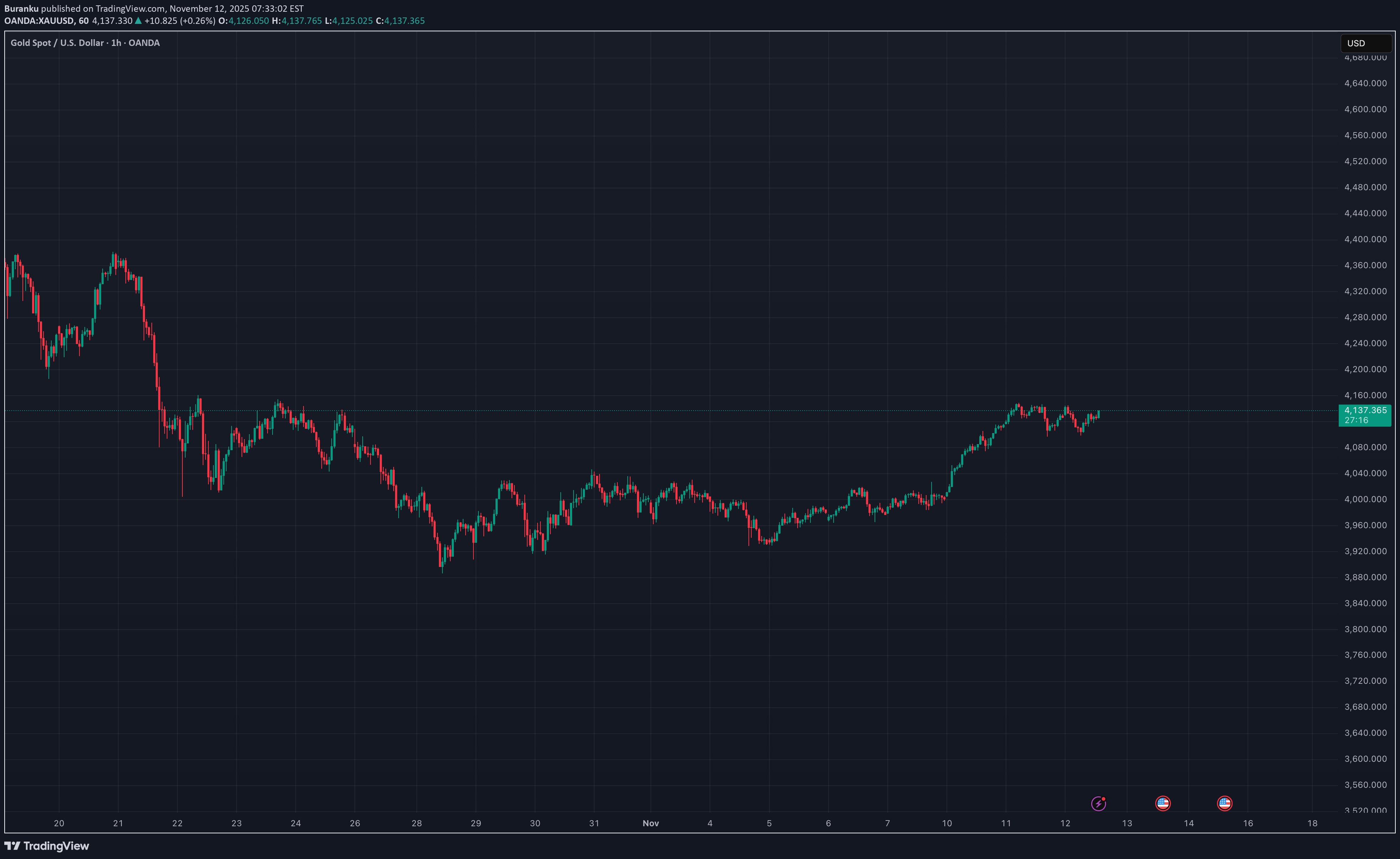
Report summary: Markets just digested three intertwined storylines: (1) Tesla shareholders approved Elon Musk’s unprecedented long-dated pay plan, anchoring the equity’s premium squarely to robotaxis and humanoid robotics optionality; (2) Big Tech’s AI-infrastructure arms race is accelerating, but in sharply different ways across companies, with heavy capex and depreciation reshaping earnings math; (3) Washington and Beijing have stepped back from the brink with a partial, tactical truce that eases supply-chain fear without resolving structural rivalry. Layer on a cooling, but not collapsing, U.S. labor pulse and a still-live Fed easing path, and you get a macro mix that tilts risk assets mildly positive, the dollar a touch softer on the margins, and gold steady with a policy-put under it. What happened and how markets read it Tesla’s vote on Nov. 6 approved Musk’s mega-incentive, after weeks of buildup that reframed Tesla as much more than an EV maker. The stock’s equity story is now explicitly levered to “physical AI”, robotaxis and the Optimus platform, whose cash flows are distant, binary and regulation-dependent, but whose TAM is narrative-dominant today. The result: higher implied volatility, fatter right-tail optionality, and more sensitivity to autonomy milestones and policy headlines than to quarterly auto margins. At the same time, AI infrastructure spending is re-rating parts of Big Tech. Meta’s step-ups to 2025 capex (and the knock-on depreciation glidepath) are compressing margins and testing investor patience, whereas Microsoft and Amazon lean on cloud P&Ls to cushion the spend; Alphabet is pressing its own capex envelope with healthier cash-flow cover. The AI build-out is real; the near-term EPS drag is, too. Geopolitically, the U.S.–China summit delivered a commercial de-escalation: Beijing delayed expanded rare-earth restrictions for a year; the U.S. paused an “affiliates rule” expansion and both sides suspended newly added port fees; Washington halved fentanyl-related tariffs in exchange for Chinese enforcement steps; and China agreed to resume U.S. soybean purchases. Bank of America estimates the package takes effective bilateral tariffs down roughly 10 percentage points (about a $40bn revenue swing), removing a near-term worst-case risk premium from supply chains and cyclicals. It’s partial, it’s fragile, but it matters for positioning. Under the surface, U.S. macro remains mixed: private-sector hiring looks tepid rather than recessionary, while layoffs remain idiosyncratic. The Fed cut once and remains data-dependent; Governor Lisa Cook’s recent remarks emphasized labor-market risks over sticky inflation and kept December “live,” which markets read as a dovish bias with optionality. Additive AI-capex context: OpenAI’s expansion into multi-cloud (including a 7-year $38bn AWS compute deal) underscores the durability of AI infra demand across chips, power, and data centers, a cycle increasingly measured in trillions of contracted commitments and multi-year depreciation streams. That flow benefits hyperscalers and select semis/providers, while raising the hurdle for ROI across ad-driven platforms lacking monetizable cloud off-ramps. Forecasts 1) Tesla & “physical AI.” The compensation plan removes governance overhangs for now and realigns incentives to autonomy/robot deployment milestones. Street models already ascribe a majority of value to Robotaxi/Optimus optionality, not legacy auto, consistent with recent sell-side allocations (Robotaxi ≈45%, Optimus ≈19%, Auto/FSD/energy the balance). That framework implies event-risk trading around FSD progress, pilot launches, and regulatory posture in key U.S./EU/Asia jurisdictions. Expect choppy factor exposure: long-duration growth sensitivity when real yields fall; wider drawdowns on autonomy setbacks or safety/regulatory shocks. 2) AI capex super-cycle. Capex and depreciation will act as a profit-mix shock across Big Tech. Platforms with self-monetizing clouds (MSFT, AMZN, GOOG) can offset EPS drag; ad-heavy networks without externalized cloud revenue (META) must convince investors of future ROI with present-day margin give-ups. The super-cycle’s second-order effects, grid build-outs, power pricing, thermal/land constraints, are investable but execution-heavy. 3) U.S.–China: detente with tripwires. The truce trims tail risks for semis, EV components, and bulk commodities, and the Validated End-User (VEU) channel plus a narrowed “affiliates rule” may lubricate specific shipments. But none of this addresses the structural tech-security contest; controls on leading-edge compute remain. Treat it as a 12-month rolling ceasefire vulnerable to U.S. legal challenges on tariffs, election-cycle rhetoric, and on-the-ground enforcement. 4) U.S. policy mix and the consumer. Shutdown dynamics around SNAP underscore fiscal-mechanical frictions that can nick Q4 consumption at the margins if delays widen, even as top-quartile households remain resilient. The Fed’s bar for re-tightening is high; the bar for incremental insurance easing remains non-trivial if labor softens further. Net: a soft-landing bias with policy put still in place. Fiscal & political implications In Washington, the legal and legislative fog around tariffs and shutdown funding creates intermittent growth and sentiment headwinds but also incentivizes tactical truces that markets reward. The Supreme Court’s tariff case review (timing and scope still a swing factor) adds legal uncertainty to the tariff path, further reason to expect episodic volatility in tariff-sensitive sectors. Meanwhile, Fed communication emphasizes symmetric risk management: don’t under-ease into a weakening jobs market, but don’t rekindle inflation. That stance generally compresses the dollar’s rate-differential premium and stabilizes real rates, all else equal. In Beijing, rare-earths restraint was tactically relaxed, but the message of leverage retention remains. The VEU pathway reduces friction for specific validated buyers; however, export-control policy will stay calibrated, not capitulated, sustaining a geopolitical risk premium in advanced manufacturing supply chains. Risks The biggest left-tail risk is a policy or safety shock that stalls autonomy timelines, which would collapse the multiple on Tesla’s long-dated growth legs and refocus the market on current cash engines. On the macro side, a disorderly re-tightening in financial conditions (e.g., a bond selloff that forces the Fed’s hand) would jar both growth and duration trades. Geopolitically, any relapse in U.S.–China ties, especially on chips or maritime incidents, would quickly reprice the truce and reinstate supply-chain premia. Possible Opportunities Selective AI-infrastructure barbell, hyperscalers with clean monetization plus critical suppliers, remains supported by multi-year commitments (and by OpenAI’s broadening procurement). Rotation into trade-sensitive cyclicals may benefit from the truce’s tariff relief, particularly where input bottlenecks ease (magnets, certain specialty metals/chemicals), though position sizing should respect the detente’s fragility. In macro, a measured Fed and easing tariff premium argue for gradual USD softening and equity duration outperformance on dips. Asset implications XAUUSD (Gold): With Fed communication skewed toward guarding the labor side and a partial easing of geopolitical trade risk, gold loses an acute fear bid but retains a solid policy-hedge floor. A gently softer dollar and capped real yields should keep dips supported. Watch December Fedspeak and any re-escalation in trade or sanctions for upside catalysts. S&P 500 / Dow Jones: Index-level EPS gets pulled two ways: AI-capex winners (cloud-monetizers, infra suppliers) versus near-term margin compression at ad-heavy AI spenders. The China truce trims worst-case input shocks for industrials and autos, a modest tailwind for the Dow’s cyclicals. Base case: grind higher with factor churn, sensitive to yields and capex ROI narratives. USDJPY / DXY: The combination of a dovish-tilted Fed and reduced tariff war-premium argues for marginal DXY slippage over 1–3 months, though risk-on episodes can weaken JPY via higher U.S. yields. If U.S. data soften and term premia compress, USDJPY has room to retrace lower; if AI-capex keeps yields buoyant, USDJPY stays supported while DXY ranges. Crude Oil (Brent/WTI): The detente and ongoing Chinese procurement strategy temper downside tails from supply-chain disruption while sanctions frictions elsewhere limit the downside floor. With global balances cushioned by inventories and growth steady rather than hot, the $60s–$70s equilibrium holds absent a fresh geopolitical supply shock. (Sensitivity: shipping insurance/sanctions enforcement and China’s demand cadence.) Tesla (context for broader risk): With the plan approved, the market will trade milestones over margins: FSD reliability metrics, pilot robotaxi deployments, Optimus use-cases in manufacturing/logistics, and regulatory posture. This keeps implied volatility structurally higher and correlation with long-duration tech elevated. Trading stances Into year-end, the path of least resistance is buy-the-dip in quality duration (mega-cap cloud monetizers and mission-critical infra) funded against AI spenders with thin near-term cash cover, and lean short USD on rallies versus funding-currency baskets where central banks remain more restrictive. On macro hedges, keep a core gold allocation and selectively add energy optionality into geopolitical windows.
Buranku
تحلیل بازار: شوکهای سیاسی، نظر دیوان عالی و آینده تسلا در بازارهای سرمایه
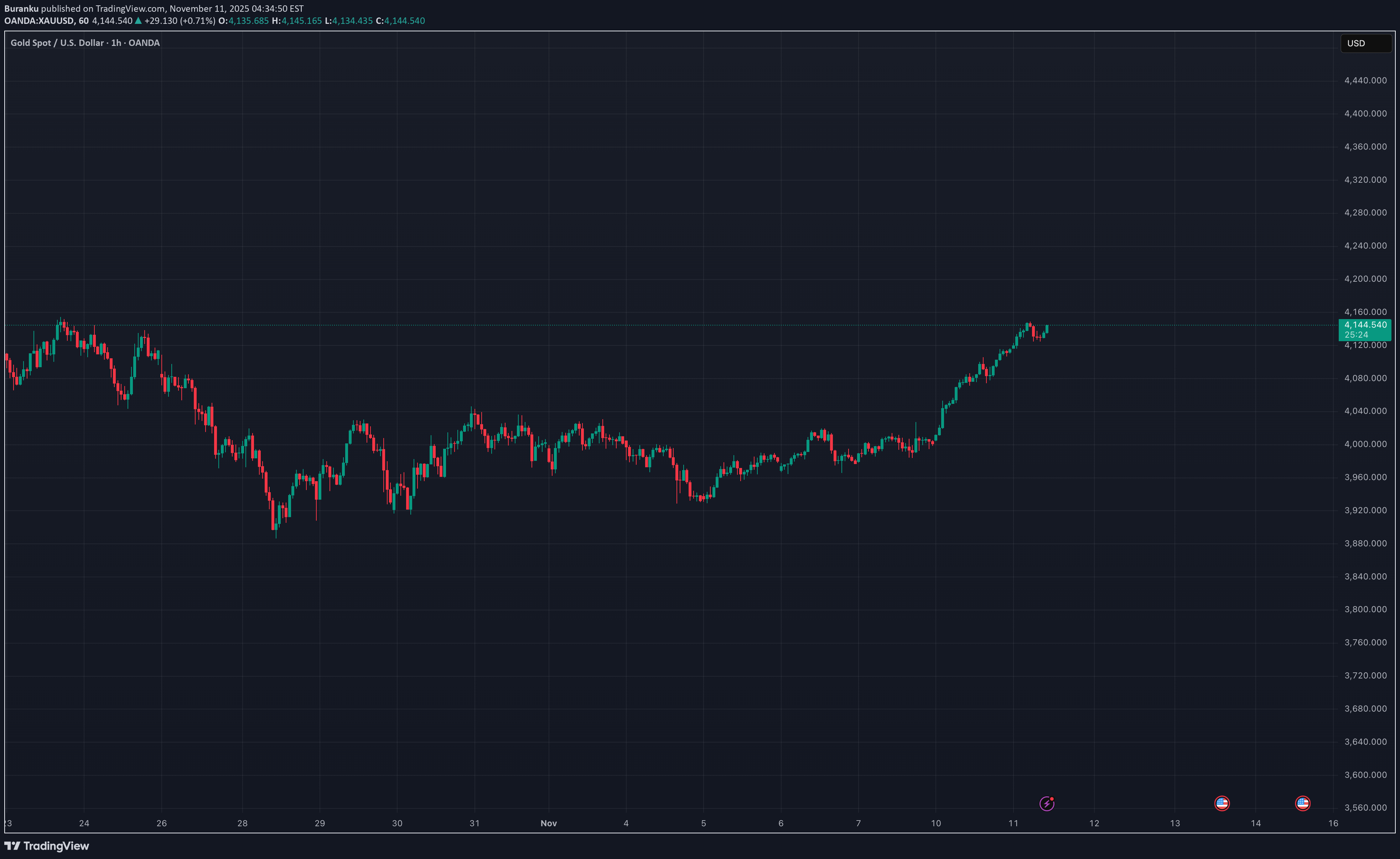
Report summery Markets just got a two-handed shove: politically, the election results plus a Supreme Court that sounded wary about the legal basis for most of the administration’s tariffs; corporately, Tesla shareholders rewarding the “robotaxi + Optimus” optionality with a record package that anchors the market’s physical-AI story. In the very near term, that mix argues for lower equity risk appetite at the index level when policy uncertainty flares, stickier rate-cut expectations if the Court crimps tariff revenue, a range-bound to firmer USD on growth and rate differentials, and a supported crude tape as OPEC+ keeps output expansion on pause. Barron’s summed the weekly tape: Dow −1.2%, S&P −1.6%, Nasdaq −3.0% into the election/Court week, with oil buoyed as OPEC+ paused planned increases and the shutdown dragged on; AI positioning was a headwind for some names. On Nov. 11, the Dollar Index printed ~96.9 and U.S. equities bounced from the week’s slump, underscoring that this is a path dependency story, each headline toggles the balance between “tariff revenue supports fiscal and dovish Fed” versus “legal curbs force policy workarounds and wider deficits.” Yields have been skittish for precisely this reason. What just changed and why it’s material Voters swung blue in key off-year races (NYC, NJ, VA, CA), a symbolic check on the White House, while conservative justices questioned whether tariffs belong with Congress rather than the presidency under the emergency-powers rubric. That combination narrows the unilateral policy lane that markets had grown used to, even if near-term asset prices still lean on AI enthusiasm and hopes of Fed cuts. At the same time, the shutdown’s persistence and data blackouts (CPI/PPI delayed) reduce near-term macro visibility; the FAA even trimmed air traffic by ~10% due to staffing constraints. This keeps volatility in play around each incremental political headline. Finally, shareholders approved a $1T incentive for Musk, a shot of confidence in Tesla’s “physical AI” thesis even as today’s revenue mix remains car-heavy, locking in a market narrative where robotaxis and humanoid robots carry an outsized share of implied valuation. Policy mechanics and the market’s decision tree Tariffs & the Court. If the Court ultimately limits the current legal basis, the administration can try to pivot to other authorities to keep levies flowing, but there will likely be a gap risk: refunds on existing levies or slower collections would widen near-term funding needs, affect Treasury supply expectations, and complicate the deficit path that officials have been using to justify rate-cut rhetoric. Even some market participants who think the strategy will be re-patched concede it would put the White House on the back foot and chill counterparties’ willingness to concede in trade talks. Shutdown & fiscal optics. The Senate moved a package to end the shutdown, but intraparty backlash shows how fragile the coalition is; until resolution, the absence of data and incremental operational frictions (SNAP/payment delays risk, FAA constraints) raise the odds of episodic growth scares without giving the Fed clean data. Oil policy backdrop. OPEC+ pausing planned output increases props up crude into year-end, interacting with any tariff- or shutdown-driven supply chain noise. That’s important for breakevens and for the “Fed-cuts-soon” narrative. Asset-by-asset implications XAUUSD (gold). In the near term, gold remains a buy-the-dips hedge on policy volatility: Court-driven tariff uncertainty and shutdown-driven data gaps nudge rate-cut odds around the edges and keep real-yield volatility elevated, a classic recipe for tactical gold bids on risk-off days. If the Court curtails tariff revenue and the market leans to earlier cuts, that supports gold through lower real rates; if the administration swiftly re-routes tariffs and the dollar firms, gold consolidates in a broad range. The recent bond-market “yips” around tariff prospects are the tell. S&P 500 / Dow Jones. Index-level path is choppy: earnings leadership is narrowing again and AI-capex “asset-heavy” pivots create P&L drag in some megacaps, while the shutdown and tariff newsflow toggle multiples. Tesla’s vote is bullish for the AI/automation complex beta but doesn’t change aggregates if rates wobble. Near term, I favor quality large-cap growth with cash-flow resilience plus defensives until shutdown clarity and the Court’s posture firm up. Barron’s captured last week’s risk-off and the OPEC+ oil tailwind; Monday’s equity bounce illustrates the headline-sensitivity regime we’re in. USDJPY & DXY. The dollar stays two-way but supported on growth/rate differentials while U.S. policy is seen as net-stimulative and the Fed isn’t firmly committed to a December cut. If tariffs are curtailed and deficit optics worsen, the market could fade the USD on lower real yields, but the move likely waits for clean data once the shutdown ends. The Dollar Index hovering near the high-90s underscores that this isn’t a collapse scenario; it’s a chop. Crude Oil. With OPEC+ pausing increases, balances tighten modestly into year-end. China’s reserve behavior and sanction dynamics provide an underlying floor. In a risk-off tape on U.S. politics, crude may dip on growth fears, but policy-put supply argues for buying weakness unless global demand data sharply deteriorate. Strategic forecasts Base case (55%). Shutdown is resolved with a thin deal; the Court issues an opinion that narrows but does not nuke tariff usage, prompting legal workarounds that preserve most revenue with a lag. Equities grind with factor rotations; the dollar ranges; crude stays supported; gold holds a high-beta hedge role. Fed communication turns a bit more data-dependent into year-end given the data blackout. Bullish risk (25%). Quick shutdown end plus an opinion that validates sufficient tariff authority to keep revenue intact; Treasury supply relief + OPEC+ discipline + ongoing AI enthusiasm push the Dow back toward highs and compress IG/HY spreads; DXY firms and gold ranges. Bearish risk (20%). Prolonged shutdown + opinion that forces refunds and delays replacements; Treasury supply fears lift term premia; equities de-rate; DXY softens with yields, gold rallies, crude chops but holds better than cyclicals thanks to OPEC+. The recent recounting of bond market swings on tariff odds shows you the path dependency. Fiscal and political implications investors can’t ignore Three items drive the medium-term P/L: (1) tariff-linked revenue math and Treasury issuance; (2) the durability of OPEC+ discipline against a soft global cycle; (3) the political learning curve, Democrats adopting more muscular tactics, Republicans facing internal constraints, which together implies higher policy volatility even if the average path for growth is fine. Barron’s flagged both the Court’s fiscal wild card and the way Tuesday’s results may restrain unilateralism; that mix lifts the premium investors demand for U.S. policy stability, even if risk assets still love AI. Risks and opportunities The principal left-tail is a messy ruling that triggers refunds and months of tariff uncertainty just as shutdown distortions bite, an ugly cocktail for rates and cyclicals. The principal right-tail is a clean shutdown resolution + Court clarity that stabilizes fiscal math, letting the market refocus on productivity/AI and re-rate quality growth. Within that, Tesla’s package cements capital availability for physical-AI narratives, spilling over to industrial robotics, auto-ADAS, edge compute and power gear, even as the index tape stays headline-driven. Positioning ideas For XAUUSD, I like staggered entries on pullbacks during USD firmness or yield pops, with exits into Court/shutdown risk-off spikes. For S&P 500/Dow, stay barbell: cash-rich compounders and resilient defensives against a small sleeve of physical-AI and industrial automation beta that benefits from the Tesla imprimatur. For USDJPY/DXY, keep trades short-leash, fading extremes rather than chasing, until we have a shutdown end date and tariff jurisprudence in hand. For crude, own dips while OPEC+ maintains discipline; rotate to producers with strong balance sheets and low breakevens rather than pure beta. Executive context and current market state Into Tuesday, Nov. 11 (Warsaw), U.S. equities are trading near record territory after a constructive start to the week: the S&P 500 closed at 6,832.43 (+1.54% on Monday), the Dow at 47,368.63 (+0.81%), and the Nasdaq Composite at 23,527.17 (+2.27%). The Dollar Index sits at 96.87 (down ~5.7% YTD), spot gold rallied to about $4,112/oz, and front-month crude is hovering near $60/bbl. The broad Bloomberg U.S. Treasury index yield is ~3.92%, with the long Treasury index near 4.69%. This is the asset-mix backdrop for the week’s catalysts. What the “$1T robo ransom” vote really does (Tesla) The central equity narrative is shifting from EV unit economics to “physical-AI” optionality. The shareholder vote to award Elon Musk an unprecedented performance package is, functionally, a vote to concentrate control around a Robotaxi/Optimus roadmap that currently contributes almost nothing to revenue but most of the equity value embedded in the stock, per the Barron’s analysis you shared. The bull frame is speed: Tesla’s ability to iterate hardware, software, and data centers quickly, plus its experience “touching the physical world”, positions it to attack logistics and labor-substitution profit pools. The bear/neutral frame is time-to-cash: Robotaxi economics require regulatory throughput, urban deployment, and sustained FSD reliability; humanoids require customer acceptance, cost curves, and safety frameworks. On the numbers cited: BofA’s value apportionment implies that the “auto today” piece is a minority of the price, while Robotaxis and Optimus together dominate. If the plan passes, as betting markets and high-profile holders suggest in the column—Tesla leans even harder into the AI platform identity. If it fails, governance overhang grows, and the equity would likely re-rate toward cash-producing businesses (auto + energy storage + FSD subscriptions), a meaningfully lower outcome than “open-ended” robo upside. For portfolio construction, that bifurcation matters because a “pass” increases the path-dependence of Tesla within mega-cap indices: more sensitivity to AI-infrastructure cycles, to city-level regulation, and to headline risk around automation accidents. Near term, the mechanical index impact is supportive while the broader EV tape remains mixed; medium term, you should assume higher left-tail volatility around regulatory events and demo failures (a la past autonomy setbacks), paired with right-tail upside on any credible Robotaxi monetization pilot. Big Tech’s AI capex super-cycle and cash-flow math Across Big Tech, a maturing AI capex super-cycle is compressing near-term margins at firms that lack offsetting external cloud revenue, while advantaging platforms that can rent out capacity. The piece you provided highlights Meta’s capex and depreciation bulge and the risk that “show-me” cash-flows lag the spend. Alphabet’s higher capex guide is backstopped by stronger cash generation and Cloud profitability; Microsoft and AWS remain cushioned by cloud operating leverage even as depreciation ramps. For alpha, the implication is straightforward: reward owners of AI-capex that monetize externally, and be choosier where AI is largely an internal cost center. At the second-derivative level, this also pulls forward demand for power, grid upgrades, copper and electrical equipment, and specialized construction, supporting industrials with data-center exposure, while creating pressure on utilities and regional power markets in the form of capacity and pricing debates. Tariffs: macro effect smaller than feared, but the legal risk rises The tariff shock of April didn’t deliver “doomsday.” The data in your packet point to an effective average rate materially below headline levies (via exemptions, supply-chain rerouting, bonded-warehouse usage, and inventory timing), with companies eating a notable share of costs as margins remain structurally fatter than pre-pandemic. That’s why realized inflation impulse looks muted so far, even as some sectors creep prices higher over time. The legal front is now a separate, market-moving variable: the Supreme Court signaled skepticism on key tariff authorities; a forced refund of previously collected levies is estimated at roughly $195 billion, which would weigh on the dollar if enacted. In markets last week, the ICE DXY slipped, and the Dollar Index has been trending lower YTD, consistent with anticipation of Fed easing and, at the margin, legal risk to tariff revenue. U.S.–China: a fragile detente and what it removes and doesn’t The Trump and Xi summit in South Korea took some tail-risk off: a one-year delay on China’s new rare-earths curbs, U.S. suspension of the “affiliates rule” expansion, partial tariff relief, and resumed commodity purchases provide breathing room. This is commercial de-escalation, not strategic rapprochement, and core issues (advanced chips, dual-use tech, export controls) are unresolved. For positioning, the immediate effect is lower equity risk premia across Asia and semis with China exposure, plus a softer safe-haven bid into the dollar; medium term, watch whether Nvidia’s engagement yields any sanctioned-product pathway and whether enforcement on rerouting via third countries tightens. Path dependency remains high: a single export-control or maritime incident can unwind the calm. Labor market erosion vs. foundation: why the Fed still leans to cuts The labor theme in your packet, stable initial claims around ~220k amid headline layoffs, supports the “erosion, not cliff” view. Small-business hiring intent is trying to turn; hospitality and transport showed monthly payroll gains; education/healthcare still add jobs. It’s a tepid recovery pulse, but it keeps the U.S. growth mix alive alongside easing goods inflation. Fed Governor Lisa Cook framed the trade-off cleanly: policy remains “modestly restrictive,” with downside jobs risk outweighing the risk of reinflation at the margin, and every meeting staying live. That stance is consistent with a 2026-leaning cuts path and a softer dollar baseline absent fresh supply shocks. Gold’s resilience with real yields off the highs is consistent with that combination and with continued geopolitical hedging. Fiscal frictions: SNAP partial payments and shutdown scarring SNAP’s partial-benefit plan during the shutdown introduces near-term drag for the lowest-income cohorts with the highest marginal propensity to consume, alongside state-level administrative delays. The macro effect is small at the national level but not trivial for retail comps sensitive to the EBT calendar. If prolonged, it slightly dents Q4/Q1 discretionary and reinforces the case for easier Fed policy relative to a world where fiscal flows were unimpeded. Energy: China’s strategic stockpiling cushions crude’s downside China has been importing >11 mb/d this year, stashing an estimated 1.0–1.2 mb/d into reserves, while Brent and WTI trade in the low-$60s. Stockpiling, capacity additions, and yuan-settled Russian flows put a floor under prices; conversely, any pause in those reserve builds exposes crude to the low-$50s scenario given the still-loose global balance. The U.S., by contrast, has been slow to rebuild the SPR. For portfolio risk, that mix argues for maintaining convexity via call spreads rather than outright long barrels, given macro growth uncertainty. The current tape, crude near $60, gold >$4k, dollar softer, is exactly the profile that tends to favor duration and quality equities over high-beta cyclicals unless or until an upside demand surprise materializes. Banks: BofA’s bid to close the ROTCE gap Bank of America’s investor day intends to shift the narrative from “responsible growth” to “more growth,” with a targeted ROTCE lift toward 16–18% from ~14% YTD, and capital returns combining ~2% yield with robust buybacks for a ~7% total shareholder yield. The drag from the low-coupon MBS book should abate as reinvestment runs at higher yields into 2026, while credit costs remain benign relative to history. Versus JPMorgan’s still-superior returns, BofA’s upside rests on delivering loan growth (notably cards, where it’s been conservative), re-energizing Merrill’s margins, and proving out NII expansion without undue duration risk. At ~12.5x forward EPS and a discount to top peers, there is room for multiple catch-up if execution lands. The near-term risk is “sell the news” if targets are seen as back-loaded. Strategy, risks, and where to lean on Strategically, lean into beneficiaries of externally monetizable AI capex (cloud platforms and their power-and-build-out upstreams), quality financials that can credibly expand ROTCE as duration headwinds fade, and gold as a policy-and-geopolitics hedge while dollar momentum is soft. Keep a differentiated stance within mega-cap tech: firms with internal-only AI spend face “show-me” risk on margins. Maintain optionality in energy rather than directional leverage. The biggest risks to this stance are an adverse Supreme Court outcome that ricochets through trade channels in unexpected ways, a negative surprise in CPI that re-firms real yields, an autonomy-related regulatory shock that crimps the Tesla/Robotaxi narrative, or an abrupt deterioration in the U.S.–China tone that revives dollar strength and commodity volatility. For the lazy in my opinion: * XAUUSD (Gold): Up * S&P 500 (ES): Up * Dow Jones (DJI): Up * Nasdaq 100 (NQ): Up * WTI Crude (CL): Up (modest; floor from China stockpiling) * DXY (US Dollar Index): Down * USDJPY: Down (yen firmer on softer USD/rates) * UST 10Y Yield: Down (prices up) * TSLA: Up (governance vote → “physical-AI” optionality) * META: Down (capex/depr. overhang) * GOOGL: Up (cloud/cash flow cushion) * MSFT: Up (Azure strength) * AMZN: Up (AWS monetizes AI demand) * Bank of America (BAC): Up (ROTCE catch-up path) * Energy equities (XLE): Down (oil capped, margin pressure) * Copper: Up (grid/data-center buildout) * EURUSD: Up (weaker USD) * USDCNH: Down (yuan supported by flows) * VIX: Down (risk premium easing)
Sorumluluk Reddi
Sahmeto'nun web sitesinde ve resmi iletişim kanallarında yer alan herhangi bir içerik ve materyal, kişisel görüşlerin ve analizlerin bir derlemesidir ve bağlayıcı değildir. Borsa ve kripto para piyasasına alım, satım, giriş veya çıkış için herhangi bir tavsiye oluşturmazlar. Ayrıca, web sitesinde ve kanallarda yer alan tüm haberler ve analizler, yalnızca resmi ve gayri resmi yerli ve yabancı kaynaklardan yeniden yayınlanan bilgilerdir ve söz konusu içeriğin kullanıcılarının materyallerin orijinalliğini ve doğruluğunu takip etmekten ve sağlamaktan sorumlu olduğu açıktır. Bu nedenle, sorumluluk reddedilirken, sermaye piyasası ve kripto para piyasasındaki herhangi bir karar verme, eylem ve olası kar ve zarar sorumluluğunun yatırımcıya ait olduğu beyan edilir.