تحلیل تکنیکال Buranku درباره نماد PAXG در تاریخ ۱۴۰۴/۹/۲۵

Buranku
تحلیل جهانی: سه نیروی اصلی بازار، دلار، تحریمها و سیاست ژاپن
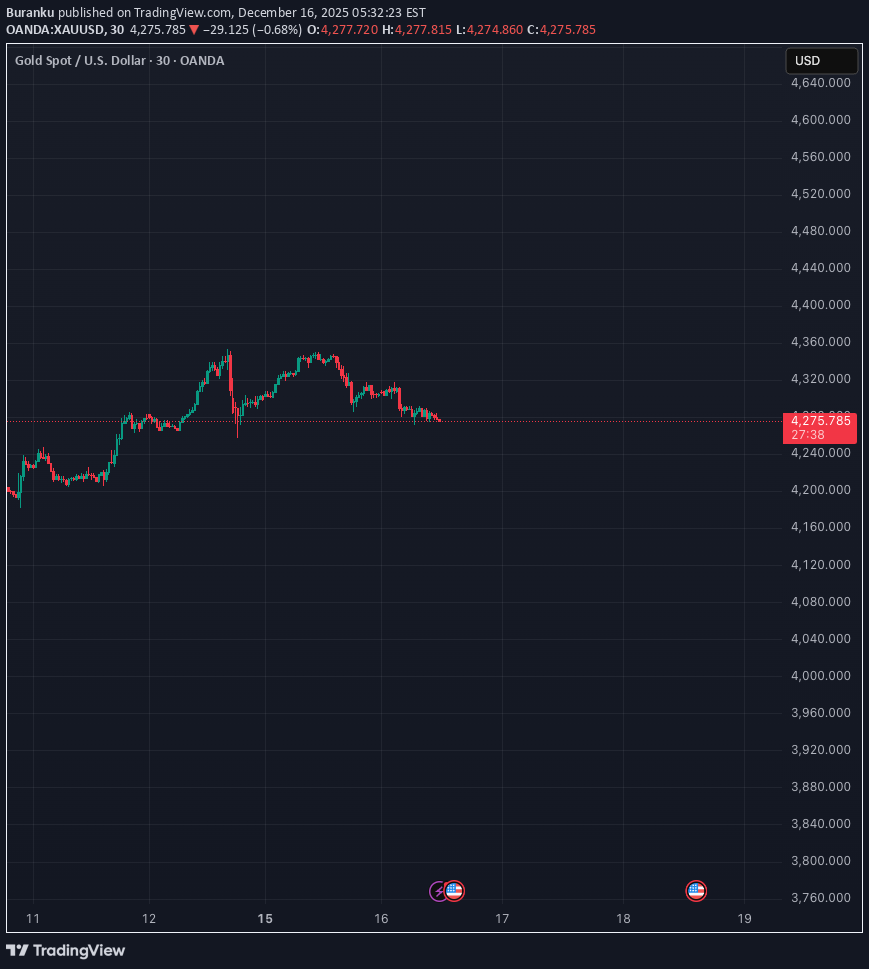
Macro & Geopolitical Wrap The current market tape is being steered by three overlapping currents: an easier U.S. policy stance after the Fed’s first “cut-and-cap” step, Europe’s turn toward more aggressive sanctions enforcement on Russia’s energy trade, and Japan’s fiscal-led upswing that is re-pricing JGBs and the yen. Together they are loosening the dollar’s grip at the margin, lifting risk appetite in U.S. equities while inserting a small risk premium into crude and supporting gold on dips. In the prior stretch, the Fed lowered the target range to 3.50%–3.75% and the WSJ U.S. Prime Rate reset to 6.75%; U.S. equities responded constructively and the WSJ Dollar Index slipped, signaling easier U.S. financial conditions into year-end. Europe is simultaneously tightening the screws on Russia’s export machine. Brussels has moved beyond ship-to-ship antics and flags of convenience to sanction named intermediaries and traders—the EU has now blacklisted facilitators including Etibar Eyyub and trader Murtaza Lakhani—marking a practical shift from broad embargoes toward targeted enforcement at the trading layer. That raises execution risk for Russian barrels, especially Urals and ESPO, and increases friction costs for the shadow fleet. The U.S. seizure of a sanctioned-linked tanker off Venezuela underscores that enforcement is no longer theoretical and raises tail-risk around incidental supply disruptions. In Europe, policy also remains entangled with Ukraine finance. EU officials continue to press a plan to leverage frozen Russian assets into a large reconstruction loan for Kyiv, even as a competing U.S. concept would channel those assets into U.S.-led investment vehicles—an approach EU voices view as exploitative and potentially destabilizing to transatlantic unity. The trajectory matters for EU rates, the euro’s policy risk premium, and for energy sanctions credibility. At the same time, Christine Lagarde is urging a pivot from the bloc’s “old growth model” toward strengthening domestic demand, a frank acknowledgment that an export-heavy model has become a vulnerability in a fractured world. That framing is consistent with her recent remarks that Europe must double down on its internal market to cushion global turbulence. Japan is the third leg. A sizeable stimulus package and expectations of heavier JGB supply have propelled long-dated yields to cycle highs, reviving a “fiscal-risk premium” trade and complicating the yen path. Domestic coverage highlighted renewed selling pressure on JPY as the cabinet approved a multi-trillion-yen plan; the policy mix keeps USDJPY caught between higher local term premia and the risk of MoF intervention if volatility spikes. Market reaction and transmission U.S. assets are reflecting the Fed’s gentler path: the prior session’s bid to the Dow and S&P 500 alongside a softer WSJ Dollar Index captured an easing of financial conditions. The signal is textbook: cheaper policy rates, lighter dollar, and narrower credit spreads tend to support cyclicals and duration-sensitive tech. The complication is the sanctions-energy axis: stricter enforcement raises headline risk in crude and shipping, potentially reheating near-term inflation breakevens even as core disinflation persists, a mix that can cap multiple expansion if oil spikes. Europe’s stance—tougher enforcement plus a search for new Ukraine-finance architecture—keeps EU sovereign supply heavy and risk premia sticky, consistent with Lagarde’s call to re-engineer growth toward internal demand. That argues for a choppy EUR path: better domestic demand would support the euro over the medium run, but near-term fiscal overhang and fragmented sentiment keep rallies uneven. Japan’s fiscal thrust and rising JGB term premia tighten local financial conditions while pushing global real yields a touch higher via cross-market arbitrage. If the yen slides too far too fast, intervention chatter returns, a classic volatility damper for USDJPY that can transmit into global risk via forced macro unwind. Strategic outlook (1–3 months) Base case: a mild “Goldilocks-with-friction” regime. The Fed’s cut-and-cap stance supports U.S. risk assets; the dollar drifts lower on easier policy unless a new energy shock arrives. Europe grinds forward with sanctions and Ukraine finance, keeping EU rates term premia slightly elevated. Japan runs hotter fiscally, sustaining higher JGB yields and a two-way, intervention-sensitive yen. Tail risks cluster around enforcement accidents in energy/shipping, a geopolitically induced oil spike, or a disorderly yen move. Asset-by-asset implications XAUUSD (Gold). The combination of a softer dollar impulse, sanction-related energy jitters, and policy hedging argues for buy-the-dip behavior. If oil or shipping headlines flare, gold’s insurance bid increases. Conversely, a sharp yen rebound on intervention could firm the dollar index tactically and dull gold’s momentum near highs. S&P 500 / Dow Jones. Easier U.S. financial conditions and still-ample AI/CapEx themes keep the medium-term trend supported, particularly for quality growth and cash-generative cyclicals. The risk is an oil-led pop in breakevens that compresses multiples, producing a “chop not drop” tape. Near-term leadership skews to megacap tech and energy services as sanctions tighten. USDJPY. Higher Japanese term premia and fiscal optics bias the cross upward, but positioning is sensitive to intervention rhetoric if spot accelerates. Base case is range-trading with spikes faded when MoF signals appear; any BoJ signaling toward further normalization would add a durable JPY floor. DXY (Dollar). The directional driver is the Fed’s easier stance versus the rest of the world. With Europe tightening sanctions but not policy and Japan adding fiscal impulse, the balance leans modestly softer dollar unless risk shocks revive safe-haven demand. The recent slippage in the WSJ Dollar Index fits this narrative; sustained oil stress would be the main spoiler. Crude Oil. Sanctions at the trading layer plus active U.S. enforcement lift friction costs and raise the probability of transient supply outages, supporting time spreads and a modest risk premium. If shipping seizures multiply, watch Brent backwardation steepen; conversely, evidence of successful Russian rerouting or higher OPEC+ exports could cap rallies. European Equities & Banks (read-through). A tougher sanctions regime and a long, expensive Ukraine-finance debate keep valuation compression risks alive in Europe’s heavy emitters and energy-intensive cyclicals, while domestic-demand beneficiaries and capital-light tech/defense see relative support. Lagarde’s push for a new growth mix favors internal-market plays over pure exporters until global trade improves. Fiscal and political angles Washington’s sanctions enforcement posture—and willingness to project it into the Caribbean basin—signals bipartisan continuity on Russia/Iran energy pressure regardless of domestic political churn, which markets will read as structurally tighter compliance risk for traders, shippers and insurers. Brussels’ focus on both sanctions and creative Ukraine finance underlines EU fiscal pragmatism amid a growth reset outlined by Lagarde; the politics point to incrementalism, not a grand bargain, which argues for periodic headline risk in European rates and FX. Tokyo’s fiscal push is explicitly growth-first; it elevates issuance needs, nudges term premia up, and, via the yen, can export a touch of financial-conditions tightening abroad, a dynamic to monitor for global duration. Risks and opportunities Key downside risks are a sanctions “accident” that removes meaningful Russian or Venezuelan barrels, a disorderly yen move that forces BoJ/MoF action and shakes global risk, or an EU political setback on Ukraine finance that cheapens the euro via risk-premium channels. Offsetting opportunities include a durable dollar drift lower that lifts non-U.S. risk assets, secular AI-capex resilience that props U.S. earnings even as rates fall, and European policy follow-through on deepening the single market that narrows valuation gaps. Positioning takeaways. Stay constructive but hedged: favor U.S. quality growth/cash-flow cyclicals; hold tactical energy exposure as sanctions bite; keep gold as policy/geopolitics insurance; trade USDJPY tactically with an eye on MoF signaling; fade extended dollar strength absent a new macro shock. The base case remains modest risk-on with episodic commodity- and FX-led air pockets rather than a regime break.