
GlobalWolfStreet
@t_GlobalWolfStreet

ما هو الشيء الذي ننصحك بشراءه من المواد الغذائية؟
سابق في الشراء
پیام های تریدر
مرشح
A Strategic Approach to Profiting from Market Information
News Trading Without Noise In modern financial markets, news travels faster than ever. Economic data releases, central bank statements, corporate earnings, geopolitical developments, and even social media posts can move prices within seconds. While news creates opportunities, it also creates noise—misleading signals, emotional reactions, rumors, and short-term volatility that can trap unprepared traders. News trading without noise is the disciplined practice of extracting high-quality, actionable information from news while filtering out distractions, overreactions, and irrelevant data. This approach allows traders to participate in major market moves with clarity, confidence, and consistency. Understanding the Difference Between News and Noise Not all news is equal. Markets react strongly only to information that changes expectations. Noise, on the other hand, consists of repetitive commentary, speculative opinions, exaggerated headlines, and minor developments that do not materially alter fundamentals. For example, a central bank interest rate decision that deviates from expectations is meaningful news, while repeated media debates about possible outcomes before the announcement are often noise. Successful news traders focus on what is new, unexpected, and impactful, rather than what is loud or popular. Noise is dangerous because it triggers emotional trading—fear of missing out (FOMO), panic selling, or impulsive entries. News trading without noise requires emotional detachment and a rules-based mindset, where decisions are driven by predefined criteria rather than instant reactions. Focusing on High-Impact News Events A noise-free news trading strategy begins with selectivity. Traders should focus only on high-impact, scheduled, and well-defined events such as: Central bank interest rate decisions and policy statements Inflation data (CPI, PPI), employment reports, and GDP figures Corporate earnings from market leaders Major geopolitical events that affect global risk sentiment Low-impact data releases and speculative breaking news should be ignored unless they directly affect market expectations. By limiting attention to a small set of powerful events, traders reduce cognitive overload and improve decision quality. Trading Expectations, Not Headlines Markets move based on the gap between expectations and reality. A positive news headline does not always lead to rising prices if the market had already priced in better outcomes. News trading without noise means understanding consensus forecasts, market positioning, and sentiment before the event. For instance, if inflation data comes in high but slightly below expectations, markets may rally despite inflation remaining elevated. Traders who focus only on the headline number may misinterpret the move, while those who analyze expectations understand the true driver. This expectation-based approach helps traders align with institutional flows rather than fighting them. Using Price Action as the Final Filter Price action is the most reliable filter against noise. Before acting on news, traders should observe how the market reacts in the first few minutes or hours. Strong, sustained moves with high volume often indicate genuine institutional participation, while sharp spikes followed by quick reversals usually signal noise-driven volatility. News trading without noise does not mean reacting instantly. Instead, it means waiting for confirmation. Breakouts above key resistance levels, breakdowns below support, or continuation patterns after news provide clearer, lower-risk entry points. Letting price validate the news helps traders avoid false signals. Timeframe Alignment and Patience Many traders lose money by trading news on timeframes that do not match the event’s significance. Short-term scalping during major news releases is extremely risky due to slippage and whipsaws. Noise-free news traders often prefer higher timeframes—15-minute, 1-hour, or even daily charts—where the true impact of news becomes clearer. Patience is critical. Not every news event needs to be traded immediately. Sometimes the best opportunity emerges hours or days later, once the market digests the information and establishes a clear trend. Risk Management Over Prediction A core principle of news trading without noise is accepting uncertainty. News outcomes are unpredictable, and even correct analysis can result in losses due to unexpected market reactions. Therefore, risk management is more important than prediction. Traders should use predefined stop-loss levels, conservative position sizing, and avoid overexposure during high-volatility periods. Protecting capital ensures longevity and reduces emotional pressure, making it easier to stay disciplined and ignore noise. Avoiding Media and Social Media Traps Financial media and social platforms often amplify noise. Sensational headlines, conflicting expert opinions, and real-time commentary can distort perception and push traders into impulsive decisions. Noise-free traders limit exposure to such inputs, relying instead on primary data sources, official releases, and their own analysis frameworks. Developing a personal trading plan and sticking to it is the best defense against external influence. When traders know exactly what they are looking for, irrelevant information naturally fades into the background. Building a Structured News Trading Framework To trade news without noise, traders should create a structured framework that includes: A predefined list of tradable news events Clear rules for pre-news preparation and post-news execution Specific technical levels for confirmation Strict risk management guidelines This structure transforms news trading from reactive gambling into a professional, repeatable process. Conclusion News trading without noise is not about being the fastest or reacting to every headline. It is about clarity, selectivity, and discipline. By focusing on high-impact information, understanding expectations, waiting for price confirmation, and managing risk carefully, traders can turn news from a source of confusion into a powerful trading edge. In an age of information overload, the ability to filter noise is not just an advantage—it is a necessity for consistent success in financial markets.
Inflation, Recession Fears, and Geopolitical Conflicts
Safe Haven Gold Trading: Gold has long occupied a unique position in global financial markets as a safe haven asset—a store of value that investors turn to during periods of uncertainty. Unlike equities, which are closely tied to corporate earnings and economic growth, or fiat currencies, which are subject to monetary policy and inflation risk, gold derives its value from scarcity, durability, and universal acceptance. In times marked by rising inflation, looming recession fears, and escalating geopolitical conflicts, gold trading becomes especially significant as investors seek stability, capital preservation, and portfolio diversification. Gold as a Hedge Against Inflation Inflation erodes the purchasing power of money, reducing the real value of cash and fixed-income investments. When inflation rises sharply or is expected to remain elevated, investors often shift capital toward assets that historically maintain value over time. Gold is widely perceived as one such hedge. Its supply grows slowly and cannot be expanded easily by central banks, unlike paper currency, which can be created through monetary easing and deficit financing. During inflationary periods, real interest rates—nominal rates minus inflation—often turn negative. When real yields fall, the opportunity cost of holding non-yielding assets like gold decreases, making it more attractive. Traders closely monitor inflation indicators such as consumer price indices (CPI), producer prices, and wage growth, as well as central bank signals regarding interest rates. Sustained inflation combined with accommodative monetary policy typically supports bullish gold trends. For traders, inflation-driven gold movements offer opportunities across multiple time frames. Long-term investors may accumulate gold or gold-backed instruments as a strategic hedge, while short-term traders capitalize on volatility around inflation data releases and policy announcements. Gold During Recession Fears and Economic Slowdowns Recession fears often trigger risk aversion across financial markets. As economic growth slows, corporate profits decline, unemployment rises, and equity markets tend to weaken. In such environments, investors reduce exposure to risk assets and reallocate capital toward defensive instruments, including gold. Gold’s appeal during recessions lies in its perceived stability and independence from economic cycles. While demand for industrial commodities may fall during downturns, gold demand often increases due to its role as a monetary and investment asset. Central banks may also respond to recessions with rate cuts, liquidity injections, and quantitative easing—policies that can weaken currencies and further support gold prices. From a trading perspective, recession-driven gold rallies are often characterized by strong trends and momentum. Technical indicators such as moving averages, trend channels, and momentum oscillators are widely used to identify entry and exit points. Additionally, correlations play a crucial role: gold often shows an inverse relationship with equities and, at times, with the US dollar, making it a valuable tool for portfolio hedging during economic stress. Geopolitical Conflicts and Crisis-Driven Demand Geopolitical conflicts—wars, trade disputes, sanctions, and political instability—are among the most powerful drivers of safe haven demand for gold. Such events increase uncertainty, disrupt supply chains, and threaten global economic stability. When traditional financial systems appear vulnerable, gold’s status as a universally recognized asset becomes particularly valuable. Historically, gold prices tend to spike during periods of heightened geopolitical tension. Even the risk or anticipation of conflict can drive speculative and hedging demand. Traders pay close attention to developments in major geopolitical hotspots, diplomatic breakdowns, and military escalations, as these events can trigger sudden price movements and increased volatility. In conflict-driven markets, gold trading often requires swift decision-making and robust risk management. Prices may react sharply to news headlines, making stop-loss placement, position sizing, and disciplined execution essential. For experienced traders, such volatility can present lucrative opportunities, while for long-term investors, it reinforces gold’s role as insurance against extreme scenarios. Role of Central Banks and Global Demand Central banks are major players in the gold market and significantly influence long-term price trends. In recent years, many central banks—particularly in emerging economies—have increased gold reserves to diversify away from dependence on major reserve currencies. This structural demand provides a strong underlying support for gold prices, especially during periods of global financial fragmentation. In addition to central banks, physical demand from jewelry, technology, and investment products such as exchange-traded funds (ETFs) shapes the gold market. During crises, ETF inflows often surge as investors seek quick and liquid exposure to gold, amplifying price movements. Trading Gold as a Safe Haven Strategy Safe haven gold trading involves more than simply buying during crises. Successful traders integrate fundamental analysis, technical analysis, and macroeconomic awareness. Fundamentals help identify the broader environment—such as inflation trends, monetary policy, and geopolitical risk—while technical tools guide precise trade execution. Risk management is critical, as gold can experience sharp corrections even in bullish environments, particularly when markets shift toward risk-on sentiment or when interest rates rise unexpectedly. Diversification across instruments—spot gold, futures, options, and gold mining equities—allows traders to tailor exposure according to risk tolerance and market conditions. Conclusion Safe haven gold trading plays a vital role in navigating periods of inflation, recession fears, and geopolitical conflicts. Gold’s enduring value, limited supply, and global acceptance make it a powerful hedge against economic instability and financial uncertainty. Whether used as a long-term store of value or actively traded to capitalize on market volatility, gold remains a cornerstone asset in times of crisis. In an increasingly interconnected and unpredictable world, understanding the dynamics of safe haven gold trading is essential for investors and traders seeking resilience, protection, and strategic advantage in global markets.
Global Positional Trading
A Strategic Approach to Profiting from Medium- to Long-Term Market Trends Global positional trading is a widely practiced trading and investment strategy that focuses on capturing price movements over a medium- to long-term horizon across international financial markets. Unlike intraday or short-term swing trading, positional trading emphasizes holding positions for weeks, months, or sometimes even years, based on strong macroeconomic, fundamental, and technical convictions. In an increasingly interconnected global financial system, positional trading allows market participants to benefit from structural trends, policy shifts, and economic cycles that shape asset prices worldwide. Understanding Positional Trading in a Global Context Positional trading is rooted in the belief that major market trends tend to persist over time. Global positional traders aim to identify these trends early and maintain exposure until the underlying drivers weaken or reverse. The “global” dimension expands this approach beyond domestic markets, enabling traders to operate in equities, commodities, forex, bonds, indices, and alternative assets across multiple countries and regions. This strategy benefits from globalization, where events in one part of the world can influence markets elsewhere. For example, changes in U.S. Federal Reserve policy can impact emerging market currencies, global bond yields, and equity flows. Positional traders analyze such interconnections to position themselves advantageously. Time Horizon and Trading Psychology The holding period in global positional trading typically ranges from several weeks to multiple months. This longer timeframe reduces the noise associated with intraday volatility and allows traders to focus on broader price structures. However, it also requires patience, discipline, and emotional control, as positions may experience interim drawdowns before reaching their intended targets. Psychologically, positional trading demands confidence in analysis and the ability to withstand short-term market fluctuations. Traders must avoid overreacting to daily news or price movements and instead remain aligned with the broader thesis supporting their trade. Key Asset Classes in Global Positional Trading Global positional traders operate across a wide array of asset classes: Equities and Global Indices: Traders may take positions in individual stocks or major indices such as the S&P 500, FTSE 100, Nikkei 225, DAX, or emerging market indices, based on economic growth prospects, earnings cycles, and valuation trends. Forex Markets: Currency pairs are particularly suited for positional trading due to clear macroeconomic drivers like interest rate differentials, inflation trends, and balance-of-payments dynamics. Commodities: Gold, crude oil, natural gas, industrial metals, and agricultural commodities often experience long-lasting trends driven by supply-demand imbalances, geopolitical tensions, and global growth cycles. Fixed Income and Bonds: Positional traders may trade government bonds or bond ETFs to capitalize on changing interest rate expectations and monetary policy cycles. Role of Fundamental Analysis Fundamental analysis forms the backbone of global positional trading. Traders closely monitor macroeconomic indicators such as GDP growth, inflation, employment data, interest rates, fiscal policy, and central bank guidance. Geopolitical developments, trade agreements, sanctions, and political stability also play a crucial role in shaping long-term trends. For example, an expectation of prolonged monetary tightening in developed economies may lead a positional trader to favor stronger currencies, weaker equity markets, or rising bond yields. Similarly, long-term infrastructure spending plans can support bullish positions in industrial metals or construction-related equities. Technical Analysis for Timing and Risk Control While fundamentals define the “what” and “why” of a trade, technical analysis helps determine the “when.” Global positional traders rely on higher-timeframe charts such as daily, weekly, or even monthly charts to identify trend direction, key support and resistance levels, and price patterns. Common tools include moving averages, trendlines, Fibonacci retracements, momentum indicators, and chart formations. Technical analysis is especially useful for optimizing entry points, setting stop-loss levels, and planning profit targets without undermining the core fundamental view. Risk Management in Global Positional Trading Effective risk management is critical in positional trading, particularly when dealing with global markets that can be affected by sudden political or economic shocks. Traders typically use wider stop-losses compared to short-term strategies but compensate by reducing position size to maintain acceptable risk exposure. Diversification across asset classes and regions is another key element. By spreading capital across uncorrelated markets, traders reduce the impact of adverse movements in any single position. Currency risk, overnight gaps, and varying market regulations are also carefully considered in global positioning. Impact of Global Events and Geopolitics Global positional trading is highly sensitive to geopolitical developments. Wars, trade conflicts, elections, sanctions, and diplomatic shifts can redefine long-term market narratives. A well-informed positional trader continuously reassesses positions in light of new information while avoiding impulsive decisions. For instance, escalating geopolitical tensions may support defensive assets such as gold or safe-haven currencies, while easing tensions could encourage risk-on positions in equities and emerging markets. Advantages of Global Positional Trading One of the main advantages of global positional trading is reduced transaction frequency, which lowers trading costs and minimizes the impact of short-term market noise. It also allows traders to align with powerful, long-lasting trends rather than chasing daily price movements. Additionally, this approach is well-suited for individuals who cannot monitor markets continuously, as decisions are made based on broader analysis rather than minute-by-minute price action. Challenges and Limitations Despite its advantages, global positional trading is not without challenges. Markets can remain range-bound for extended periods, testing a trader’s patience. Unexpected policy changes or black-swan events can disrupt even the strongest fundamental setups. Furthermore, holding positions over long periods exposes traders to overnight and weekend risks. Success therefore depends on continuous learning, adaptability, and a structured trading plan that balances conviction with flexibility. Conclusion Global positional trading represents a disciplined, strategic approach to participating in international financial markets. By combining macroeconomic insight, fundamental research, and higher-timeframe technical analysis, traders can position themselves to benefit from major global trends. While it requires patience, strong risk management, and emotional resilience, positional trading offers a powerful framework for those seeking consistent, well-researched exposure to global market opportunities over the medium to long term.
Energy Market Dynamics Amid Rising Geopolitical Tensions
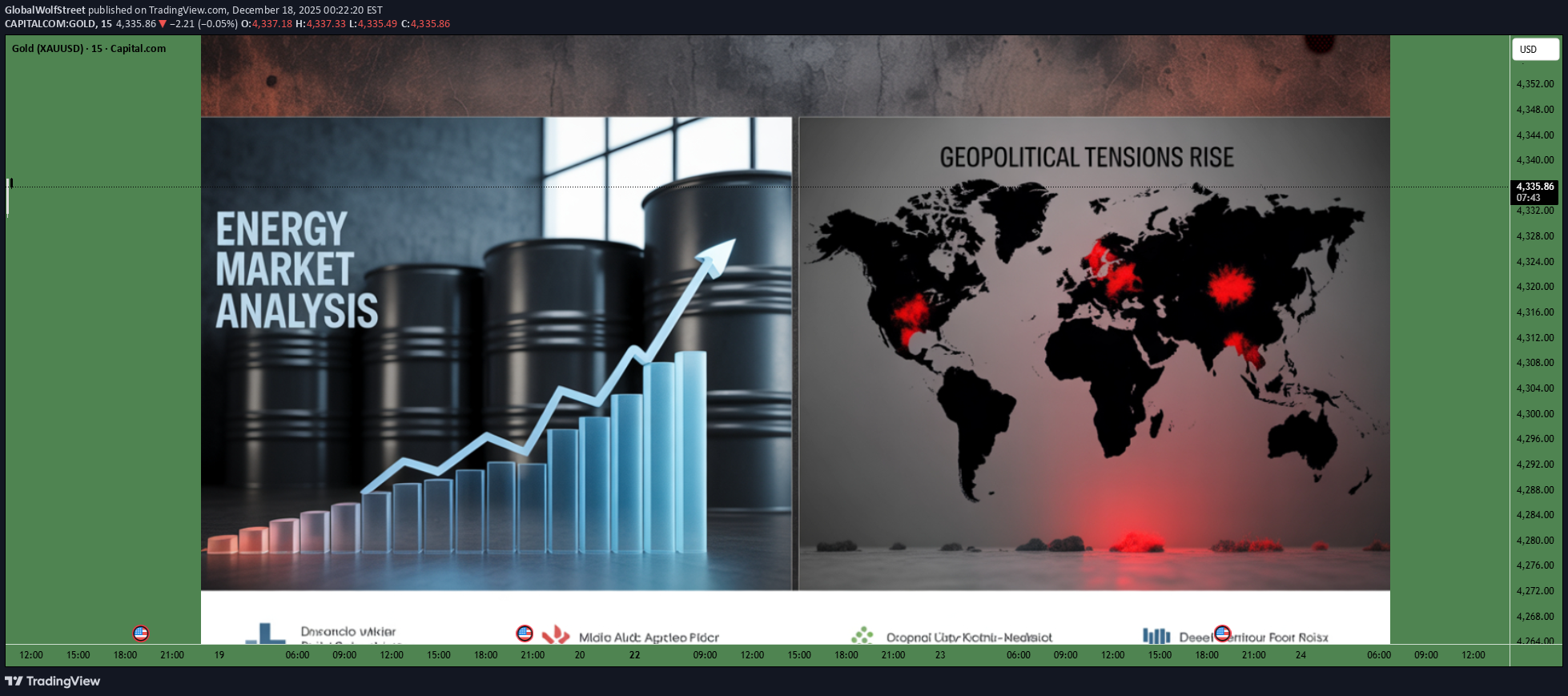
The Strategic Importance of Energy in Global Politics Energy resources are not merely commodities; they are strategic assets. Countries that control major reserves of oil, natural gas, or critical energy infrastructure often wield significant geopolitical influence. Energy-exporting nations use supply control as a diplomatic and economic tool, while energy-importing countries focus on securing stable and diversified supply chains. As a result, disruptions caused by wars, sanctions, or diplomatic breakdowns can have immediate and far-reaching effects on global energy prices and availability. Historically, events such as the Middle East conflicts, the Russia–Ukraine war, tensions in the South China Sea, and instability in key producing regions have demonstrated how energy markets react swiftly to geopolitical risk. Even the threat of conflict or sanctions can lead to price spikes, increased hedging activity, and speculative movements in energy futures markets. Oil Markets Under Geopolitical Stress Crude oil remains the most geopolitically sensitive energy commodity. Major oil-producing regions such as the Middle East, Russia, and parts of Africa are frequently affected by political instability. When tensions rise in these areas, concerns about supply disruptions quickly translate into higher oil prices. Sanctions imposed on major oil exporters can significantly reduce global supply, forcing markets to rebalance through alternative sources. This often benefits other producing nations but increases costs for importing countries. Strategic petroleum reserves (SPRs) have become a key policy tool, with governments releasing reserves to stabilize prices during periods of geopolitical stress. However, these measures are typically temporary and do not address long-term supply challenges. Natural Gas and Energy Security Natural gas markets have become central to geopolitical discussions, particularly due to their role in power generation, industrial use, and heating. Pipeline infrastructure creates strong interdependence between exporting and importing countries, making gas supply especially vulnerable to political disputes. When diplomatic relations deteriorate, gas supplies can be reduced or halted, leading to sharp price increases and energy shortages. Liquefied natural gas (LNG) has emerged as a strategic alternative, allowing importing countries to diversify supply sources and reduce reliance on specific pipeline routes. However, LNG markets are also influenced by geopolitical competition, as nations compete for cargoes during periods of high demand or supply disruption. Rising geopolitical tensions have accelerated investments in LNG infrastructure, storage facilities, and cross-border energy cooperation agreements. Energy Transition and Geopolitical Competition Geopolitical tensions are not only impacting fossil fuel markets but also shaping the global energy transition. Countries are increasingly viewing renewable energy, nuclear power, and energy storage as tools for achieving energy independence and reducing exposure to geopolitical risk. Solar, wind, and hydrogen technologies are gaining strategic importance, as they rely less on imported fuels once infrastructure is established. At the same time, the energy transition has introduced new geopolitical challenges. Competition over critical minerals such as lithium, cobalt, nickel, and rare earth elements has intensified, as these resources are essential for batteries, electric vehicles, and renewable energy systems. Control over supply chains for these materials is becoming a new arena of geopolitical rivalry, potentially replacing traditional oil and gas conflicts. Impact on Global Trade and Inflation Rising energy prices driven by geopolitical tensions have a direct impact on global inflation and economic stability. Energy is a core input for transportation, manufacturing, and agriculture, meaning higher prices quickly filter through supply chains. For developing economies and energy-importing nations, this can strain public finances, widen trade deficits, and increase the cost of living. Global trade flows are also being reconfigured as countries seek to secure energy supplies from politically aligned partners. This has led to the formation of new energy alliances and long-term supply contracts, sometimes at the expense of market efficiency. While these arrangements can enhance energy security, they may also increase costs and reduce flexibility in the global energy system. Financial Markets and Investor Sentiment Geopolitical tensions introduce significant uncertainty into energy markets, influencing investor behavior and capital allocation. Energy stocks, commodities, and related derivatives often experience increased volatility during periods of geopolitical stress. While higher prices can boost revenues for energy producers, uncertainty can deter long-term investment, particularly in capital-intensive projects. Investors are increasingly factoring geopolitical risk into their decision-making processes, alongside environmental, social, and governance (ESG) considerations. This dual pressure is reshaping the energy investment landscape, with greater emphasis on diversification, risk management, and resilience. Long-Term Outlook and Strategic Adaptation Looking ahead, geopolitical tensions are likely to remain a defining feature of the global energy market. Climate policies, shifting power balances, and technological advancements will continue to interact with political developments in complex ways. Countries that successfully balance energy security, affordability, and sustainability will be better positioned to navigate this evolving landscape. Strategic adaptation will require diversified energy portfolios, resilient infrastructure, international cooperation, and transparent markets. While geopolitical tensions pose significant challenges, they also create opportunities for innovation, collaboration, and the acceleration of cleaner energy systems. Ultimately, the future of the energy market will depend not only on resource availability but also on how nations manage geopolitical risk in an interconnected world. Conclusion The rise in geopolitical tensions has reinforced the central role of energy in global economic and political systems. From oil and gas markets to renewables and critical minerals, energy dynamics are being reshaped by conflict, competition, and strategic realignment. As uncertainty persists, the ability to understand and anticipate the interaction between geopolitics and energy markets will be crucial for ensuring stability, growth, and long-term energy security in a rapidly changing world.
A Complete Guide to Consistent Currency Market Success
Trading Forex Major Pairs The foreign exchange (forex) market is the largest and most liquid financial market in the world, with daily trading volumes exceeding trillions of dollars. At the heart of this vast marketplace lie the major currency pairs, which are the most actively traded and widely followed instruments by traders, institutions, and central banks. Trading forex major pairs offers stability, transparency, and abundant opportunities, making them ideal for both beginners and experienced traders. This guide explains what forex major pairs are, why they matter, and how to trade them effectively for long-term success. What Are Forex Major Pairs? Forex major pairs are currency pairs that always include the US Dollar (USD) and are paired with the world’s strongest and most influential currencies. The commonly recognized major pairs are: EUR/USD (Euro / US Dollar) GBP/USD (British Pound / US Dollar) USD/JPY (US Dollar / Japanese Yen) USD/CHF (US Dollar / Swiss Franc) AUD/USD (Australian Dollar / US Dollar) USD/CAD (US Dollar / Canadian Dollar) NZD/USD (New Zealand Dollar / US Dollar) These pairs dominate global forex trading because they represent economies with high trade volumes, stable political systems, and strong financial institutions. Why Trade Forex Major Pairs? Forex major pairs are popular for several compelling reasons. First, they offer high liquidity, meaning trades can be executed quickly with minimal price slippage. This is especially important during volatile market conditions. Second, major pairs have tight spreads, reducing transaction costs and making them cost-efficient for frequent trading strategies such as scalping and day trading. Another advantage is the availability of information. Economic data, central bank policies, and geopolitical developments related to major currencies are widely reported and analyzed. This transparency allows traders to make informed decisions based on reliable data rather than speculation. Additionally, major pairs tend to respect technical levels more consistently due to large institutional participation, making technical analysis more effective. Understanding the Behavior of Major Pairs Each major forex pair has its own personality and reacts differently to economic events. For example, EUR/USD is heavily influenced by interest rate decisions from the European Central Bank (ECB) and the US Federal Reserve. GBP/USD is known for its volatility, especially during UK political or economic announcements. USD/JPY often acts as a safe-haven pair, reacting strongly to global risk sentiment and bond yields. Understanding these behavioral traits helps traders select the right pair for their trading style. Some pairs trend smoothly, while others move aggressively in short bursts. Matching pair characteristics with your strategy is a key step toward consistency. Fundamental Analysis in Major Pair Trading Fundamental analysis plays a vital role when trading forex major pairs. Since these currencies represent powerful economies, macroeconomic indicators strongly influence price movements. Key factors include interest rates, inflation data, employment figures, GDP growth, and central bank guidance. Interest rate differentials are particularly important. Currencies with higher interest rates tend to attract capital inflows, strengthening their value. For instance, if the Federal Reserve signals rate hikes while another central bank remains dovish, USD-based pairs may trend strongly. Traders who follow economic calendars and central bank statements gain a significant edge in anticipating medium- to long-term trends. Technical Analysis and Chart Patterns Technical analysis is widely used in major pair trading due to the clean and structured price movements these pairs often exhibit. Support and resistance levels, trendlines, moving averages, and momentum indicators such as RSI and MACD work effectively on major pairs. Chart patterns like flags, triangles, head and shoulders, and double tops frequently appear and offer high-probability trade setups. Because institutional traders also rely heavily on technical analysis, price often reacts strongly at key technical zones. Combining multiple technical signals rather than relying on a single indicator improves trade accuracy. Best Trading Sessions for Major Pairs Timing is crucial in forex trading. Major pairs are most active during specific market sessions. The London session and the New York session are particularly important, as they overlap for several hours and account for the highest trading volume. EUR/USD and GBP/USD show strong movement during the London–New York overlap, making this period ideal for intraday traders. USD/JPY often moves more actively during the Asian session, especially when Japanese economic data is released. Trading during high-liquidity sessions improves execution quality and increases the likelihood of meaningful price movement. Risk Management: The Key to Survival Even when trading stable major pairs, risk management remains essential. No strategy works 100% of the time, and protecting capital is the top priority. Traders should always use stop-loss orders, limit risk to a small percentage of their trading account per trade, and avoid excessive leverage. Major pairs may appear less volatile, but unexpected news events can cause sharp price swings. A disciplined approach to position sizing and risk control ensures that a few losing trades do not wipe out weeks or months of progress. Consistency in risk management separates professional traders from emotional gamblers. Common Mistakes to Avoid One common mistake in trading forex major pairs is overtrading. Because these pairs are always active, traders may feel compelled to trade constantly. Quality setups matter more than quantity. Another mistake is ignoring fundamentals and focusing only on technical signals during major news releases, which can lead to unpredictable outcomes. Traders should also avoid emotional decision-making. Chasing trades after missing an entry or holding losing positions in hope of reversal often leads to unnecessary losses. A clear trading plan with predefined rules helps maintain discipline. Building a Long-Term Trading Approach Successful forex major pair trading is not about quick profits but about building a sustainable process. Traders should specialize in a few major pairs rather than trying to trade all of them. This allows deeper understanding of price behavior and improves decision-making. Keeping a trading journal, reviewing past trades, and continuously refining strategies contribute to long-term improvement. Markets evolve, and traders must adapt while staying true to their core principles. Conclusion Trading forex major pairs offers a balanced combination of liquidity, reliability, and opportunity. These pairs provide an ideal environment for applying both technical and fundamental analysis, making them suitable for traders of all experience levels. By understanding pair behavior, respecting market sessions, managing risk effectively, and maintaining discipline, traders can unlock consistent performance in the global currency market. Mastery of forex major pairs is often the foundation upon which long-term trading success is built.
ESG and Carbon Credit Trading
The New Architecture of Sustainable Finance In the modern global economy, sustainability has shifted from being a moral consideration to a strategic and financial imperative. At the center of this transformation lie ESG (Environmental, Social, and Governance) principles and carbon credit trading, two closely linked frameworks that are reshaping how businesses, investors, and governments measure value, manage risk, and pursue long-term growth. Together, they form the backbone of sustainable finance and climate-aligned markets. Understanding ESG: Beyond Profits ESG refers to a set of non-financial criteria used to evaluate a company’s operations and long-term resilience. Environmental (E): How a company manages its impact on nature—carbon emissions, energy usage, waste management, water conservation, and biodiversity. Social (S): How it treats employees, customers, and communities—labor practices, human rights, diversity, workplace safety, and customer responsibility. Governance (G): How it is managed—board structure, executive compensation, transparency, shareholder rights, and ethical conduct. Unlike traditional financial metrics that focus mainly on short-term profitability, ESG frameworks aim to capture long-term sustainability and risk-adjusted performance. Investors increasingly believe that companies with strong ESG practices are better positioned to handle regulatory changes, reputational risks, climate shocks, and social disruptions. Why ESG Matters in Capital Markets ESG has become a decisive factor in global capital allocation. Institutional investors, sovereign wealth funds, pension funds, and asset managers now integrate ESG scores into portfolio decisions. This shift is driven by three powerful forces: Risk Management: Climate change, social unrest, and governance failures can destroy shareholder value. ESG analysis helps identify hidden risks. Regulatory Pressure: Governments worldwide are mandating ESG disclosures, forcing companies to report sustainability metrics alongside financial results. Investor Preference: A growing base of investors prefers companies aligned with ethical, environmental, and social responsibility. As a result, ESG is no longer a “nice-to-have” feature—it directly affects stock valuations, borrowing costs, and access to global capital. Carbon Credit Trading: Putting a Price on Pollution Carbon credit trading is a market-based mechanism designed to reduce greenhouse gas emissions by assigning a monetary value to carbon dioxide and other greenhouse gases. A carbon credit typically represents the right to emit one metric ton of CO₂ (or equivalent gases). Companies that emit less than their allowed quota can sell surplus credits, while high emitters must buy credits to offset excess emissions. There are two major carbon markets: Compliance Markets: Mandated by governments (e.g., cap-and-trade systems). Companies must comply with legally binding emission limits. Voluntary Carbon Markets (VCMs): Companies voluntarily purchase credits to meet sustainability goals, net-zero pledges, or ESG commitments. By attaching a financial cost to emissions, carbon trading incentivizes businesses to innovate, adopt cleaner technologies, and improve energy efficiency. The Link Between ESG and Carbon Credit Trading Carbon credit trading is a practical tool that directly supports the Environmental pillar of ESG. Companies with strong ESG strategies often use carbon credits to: Offset unavoidable emissions Achieve carbon neutrality or net-zero targets Demonstrate measurable climate action to investors Improve ESG ratings and sustainability scores In essence, carbon markets convert climate responsibility into a tradable financial instrument, aligning environmental goals with market incentives. Carbon Credits as a Financial Asset Over time, carbon credits have evolved from regulatory instruments into tradable assets. They are now bought and sold by: Corporations managing emissions Financial institutions and hedge funds ESG-focused investment funds Commodity traders and exchanges This financialization has increased liquidity, price discovery, and global participation, while also introducing volatility and speculation. Carbon prices now respond to policy changes, economic growth, energy transitions, and geopolitical developments—much like traditional commodities. ESG Ratings and Corporate Strategy Companies are increasingly embedding ESG into their core strategies rather than treating it as a compliance exercise. Carbon credit trading plays a critical role in this shift: Operational Strategy: Firms invest in renewable energy, efficiency upgrades, and carbon offsets to reduce exposure to carbon costs. Reputation Management: Transparent use of high-quality carbon credits enhances credibility with stakeholders. Capital Access: Strong ESG performance lowers financing costs and attracts long-term investors. However, the effectiveness of ESG depends on authentic action, not cosmetic compliance. Challenges and Criticism Despite their promise, ESG and carbon credit markets face several challenges: Greenwashing: Some companies exaggerate ESG claims or rely excessively on low-quality carbon offsets. Lack of Standardization: ESG ratings vary widely across agencies, creating confusion and inconsistency. Carbon Credit Quality: Not all credits deliver real, additional, and permanent emission reductions. Market Transparency: Voluntary carbon markets still lack unified oversight and pricing benchmarks. These issues have sparked calls for stricter regulation, better disclosure standards, and improved verification mechanisms. The Role of Technology Technology is accelerating trust and efficiency in ESG and carbon markets: Blockchain: Ensures traceability and prevents double-counting of carbon credits. AI and Data Analytics: Improve ESG scoring, emissions tracking, and risk assessment. Satellite Monitoring: Verifies forest conservation, renewable energy output, and land-use projects. These innovations are helping transform ESG and carbon trading into more reliable and scalable systems. Future Outlook: ESG and Carbon Trading as Economic Pillars Looking ahead, ESG and carbon credit trading are expected to become central pillars of the global financial system. As climate risks intensify and governments tighten emissions regulations, carbon prices are likely to rise, making sustainability a competitive advantage rather than a cost burden. Key future trends include: Integration of carbon pricing into mainstream financial models Expansion of regulated carbon markets across emerging economies Greater convergence of ESG reporting standards Increased investor scrutiny of carbon offset quality Conclusion ESG and carbon credit trading represent a fundamental shift in how markets define value, risk, and responsibility. By embedding environmental and social costs into financial decision-making, they bridge the gap between economic growth and planetary limits. While challenges remain, their evolution signals a future where sustainability and profitability are no longer opposing goals—but interconnected drivers of long-term success. In this new financial architecture, companies that adapt early and authentically will not only comply with regulations but also gain strategic, reputational, and financial advantages in a rapidly changing world.
Global Trade in the Modern Market
Structure, Dynamics, and Strategic Importance Global trade in the modern market represents one of the most powerful engines of economic growth, innovation, and international interdependence. Unlike earlier eras—when trade was limited by geography, slow transportation, and fragmented information—today’s global trade ecosystem operates at high speed, across digital platforms, and through deeply integrated supply chains. Goods, services, capital, data, and technology now move across borders with unprecedented scale and complexity, reshaping how nations compete and collaborate. 1. Evolution of Global Trade Modern global trade has evolved from simple bilateral exchange into a sophisticated, multi-layered network. Containerization revolutionized logistics, reducing costs and transit times. The rise of multinational corporations (MNCs) fragmented production into global value chains (GVCs), where design, manufacturing, assembly, and marketing occur in different countries. Digitalization further transformed trade by enabling real-time coordination, e-commerce, and cross-border services that require no physical shipment at all. 2. Key Drivers of Modern Global Trade Several forces define today’s trading environment: Technology and Digital Platforms: Cloud computing, AI, and data analytics optimize inventory, pricing, and demand forecasting. Digital marketplaces allow even small firms to access global customers. Trade Liberalization: Free trade agreements (FTAs) and regional blocs reduce tariffs, harmonize standards, and encourage cross-border investment. Capital Mobility: Global finance supports trade through credit, hedging instruments, and risk management tools such as futures, options, and insurance. Consumer Demand: Rising incomes in emerging markets fuel demand for diverse products, while developed markets seek cost efficiency and innovation. 3. Structure of Global Trade Flows Modern trade flows extend beyond physical goods: Merchandise Trade: Includes commodities (energy, metals, agriculture) and manufactured goods (electronics, automobiles, machinery). Services Trade: Finance, IT services, logistics, consulting, tourism, and digital services are growing faster than goods trade. Intellectual Property and Data: Licensing, software, patents, and data flows are now critical trade assets. Capital and Investment: Foreign direct investment (FDI) supports production hubs and market access. 4. Role of Global Value Chains (GVCs) Global value chains are the backbone of modern trade. A single product—such as a smartphone—may involve raw materials from Africa, components from East Asia, design from the US or Europe, and assembly in Southeast Asia. This specialization increases efficiency but also creates vulnerability. Disruptions like pandemics, geopolitical tensions, or natural disasters can ripple across the entire chain, forcing firms to rethink resilience and diversification. 5. Emerging Markets and Trade Power Shifts The modern trade landscape reflects a gradual shift from a unipolar system to a multipolar one. Emerging economies—particularly in Asia, Latin America, and parts of Africa—are no longer just low-cost manufacturers. They are becoming: Major consumer markets Innovation hubs Strategic suppliers of critical resources Countries like China, India, Vietnam, and Mexico play increasingly central roles in global production and trade negotiations, influencing pricing, standards, and supply-chain strategies. 6. Geopolitics and Trade Policy Trade today is inseparable from geopolitics. Tariffs, sanctions, export controls, and industrial policies are used as strategic tools. Governments prioritize: Economic security (semiconductors, energy, food) Supply-chain sovereignty Strategic alliances and friend-shoring This has led to partial de-globalization or “re-globalization,” where trade is restructured around trusted partners rather than purely cost-based efficiency. 7. Financial Markets and Trade Integration Modern trade is closely linked with global financial markets: Foreign Exchange (FX): Currency movements directly impact trade competitiveness and profitability. Derivatives: Futures and options help exporters and importers hedge price and currency risks. Trade Finance: Letters of credit, guarantees, and supply-chain finance enable liquidity and trust across borders. This integration allows trade to scale rapidly but also exposes it to financial volatility and capital flow reversals. 8. Sustainability and ESG in Global Trade Environmental, Social, and Governance (ESG) considerations are reshaping trade decisions. Companies and governments now factor in: Carbon footprints and green logistics Ethical sourcing and labor standards Circular economy principles Carbon border taxes, sustainability-linked financing, and green trade corridors are emerging as defining features of modern global commerce. 9. Digital Trade and the Future of Commerce Digital trade is one of the fastest-growing segments: Cross-border e-commerce platforms connect sellers and buyers directly. Digital payments and blockchain improve transparency and settlement. Services like cloud computing, online education, and remote work are traded globally without physical borders. Regulation of data flows, cybersecurity, and digital taxation will heavily influence the next phase of global trade. 10. Risks and Challenges in the Modern Trade System Despite its scale and efficiency, modern global trade faces key challenges: Supply-chain disruptions Trade wars and protectionism Currency volatility Regulatory fragmentation Climate-related risks Managing these risks requires diversification, strategic inventory management, and advanced risk-hedging tools. 11. Strategic Importance of Global Trade Global trade is more than economic exchange—it is a strategic asset. It shapes: National growth and employment Corporate profitability and competitiveness Innovation diffusion Global political influence Countries that master trade logistics, financial integration, and technological adoption gain long-term strategic advantages. Conclusion Global trade in the modern market is a complex, fast-moving, and deeply interconnected system. It blends physical goods, digital services, finance, and geopolitics into a single global framework. While efficiency and scale have reached historic highs, resilience, sustainability, and strategic alignment are now equally important. The future of global trade will not be defined solely by how cheaply goods move across borders, but by how intelligently, securely, and sustainably global markets are connected.
Global Hard Commodity Trading: The Backbone of the World Economy
Understanding Hard Commodities Hard commodities are primarily divided into two broad categories: energy commodities and metals. Energy commodities include crude oil, natural gas, coal, and increasingly uranium, which are essential for transportation, electricity generation, and industrial processes. Metals are further classified into base metals (such as copper, aluminum, zinc, nickel, and iron ore) used in construction and manufacturing, and precious metals (such as gold, silver, platinum, and palladium) which serve both industrial purposes and as stores of value. The supply of hard commodities depends on geological availability, mining and extraction technology, environmental regulations, and political stability in producing regions. Demand, on the other hand, is driven by economic growth, urbanization, industrialization, energy consumption patterns, and technological change. Because both supply and demand are relatively inelastic in the short term, prices can be highly volatile. How Global Hard Commodity Trading Works Global hard commodity trading involves the buying and selling of physical commodities as well as financial instruments linked to those commodities. Physical trading includes long-term contracts between producers and consumers, spot market transactions, and shipping logistics. Financial trading takes place through futures, options, swaps, and other derivatives on major commodity exchanges. Key global exchanges include the London Metal Exchange (LME) for base metals, COMEX and NYMEX in the United States for metals and energy, ICE for crude oil and gas, and regional exchanges in Asia such as the Shanghai Futures Exchange. These platforms provide price discovery, transparency, and risk management tools for market participants. Traders range from large commodity trading houses to banks, hedge funds, producers, consumers, and even governments. Commodity trading firms act as intermediaries, managing logistics, financing, storage, and price risk. Financial participants often do not take physical delivery but trade contracts to profit from price movements or hedge exposure. Role of Supply Chains and Logistics Logistics play a central role in hard commodity trading. Unlike financial assets, hard commodities must be transported, stored, and insured. Crude oil moves through pipelines, tankers, and storage terminals; metals are shipped in bulk carriers and stored in warehouses; coal travels from mines to power plants via rail and ports. Any disruption in logistics—such as port congestion, shipping shortages, pipeline shutdowns, or geopolitical conflicts—can significantly affect prices. For example, a blockade in a key shipping route or sanctions on a major exporter can tighten supply overnight, triggering sharp price spikes in global markets. Price Drivers and Market Cycles Hard commodity prices are influenced by a complex mix of factors. Economic growth is one of the most important drivers: when global growth accelerates, demand for energy and industrial metals rises; during recessions, demand falls sharply. Inflation expectations also play a role, especially for precious metals like gold, which are often used as hedges against currency depreciation. Geopolitics is another powerful force. Many hard commodities are concentrated in specific regions—oil in the Middle East, gas in Russia and the US, metals in Africa, Australia, and South America. Political instability, wars, sanctions, and trade disputes can all disrupt supply and reshape trade flows. Currency movements, particularly the US dollar, strongly influence commodity prices. Since most hard commodities are priced in dollars, a weaker dollar generally supports higher commodity prices, while a stronger dollar can suppress demand and prices. Hard commodities also move in long-term cycles known as commodity supercycles. These occur when prolonged periods of strong demand, often driven by structural changes like industrialization or energy transitions, push prices higher for many years before new supply eventually catches up. Risk Management and Hedging Because of high price volatility, risk management is essential in hard commodity trading. Producers hedge to lock in future prices and protect revenues, while consumers hedge to stabilize costs. Futures and options allow market participants to manage price risk, interest rate exposure, and currency risk. Traders also manage operational risks such as transportation delays, quality variations, counterparty defaults, and regulatory changes. Effective risk management combines financial hedging with strong operational controls and market intelligence. Environmental, Social, and Regulatory Factors In recent years, environmental and social considerations have become increasingly important in global hard commodity trading. Mining and energy extraction face stricter environmental regulations, higher compliance costs, and growing scrutiny from investors and governments. Carbon emissions policies, carbon pricing, and the global push toward renewable energy are reshaping demand for traditional energy commodities while boosting demand for metals used in clean technologies, such as copper, lithium, nickel, and cobalt. Regulation also plays a major role in shaping markets. Governments regulate extraction rights, export policies, taxes, and trading activities. Sanctions, tariffs, and trade agreements can rapidly alter global supply-demand balances and trading routes. The Future of Global Hard Commodity Trading The future of global hard commodity trading will be shaped by energy transition, technological innovation, and geopolitical realignment. While fossil fuels will remain important for decades, the shift toward renewable energy and electric vehicles is changing the composition of commodity demand. Metals critical for batteries, power grids, and renewable infrastructure are likely to see sustained growth. Digitalization is also transforming commodity trading. Advanced analytics, real-time data, blockchain-based tracking, and automated trading systems are improving efficiency, transparency, and risk management. However, the core fundamentals—physical supply, demand, and logistics—will continue to dominate price behavior. Conclusion Global hard commodity trading is far more than just buying and selling raw materials; it is the engine that powers industries, cities, and entire economies. It links mines, oil fields, factories, financial markets, and consumers across the world. Driven by economic growth, shaped by geopolitics, and influenced by long-term structural trends, hard commodity trading remains one of the most complex and strategically important areas of global commerce. Understanding its dynamics is essential for anyone seeking to grasp how the global economy truly functions.
Forward and Futures Forex Trading
Understanding the Backbone of Currency Risk Management and Speculation Foreign exchange (forex) markets are the largest and most liquid financial markets in the world. Within this vast ecosystem, forward and futures forex trading play a critical role for governments, corporations, banks, hedge funds, and traders. These instruments go beyond simple spot currency exchange and allow market participants to manage risk, lock in prices, and speculate on future currency movements. Understanding how forwards and futures work is essential for anyone looking to grasp the deeper mechanics of global finance. 1. Introduction to Forex Derivatives In forex trading, derivatives are contracts whose value is derived from an underlying currency pair, such as USD/INR, EUR/USD, or GBP/JPY. Forwards and futures are two of the most important derivative instruments. While both allow traders to agree on a currency exchange rate today for settlement at a future date, they differ significantly in structure, trading venue, flexibility, and risk management. These instruments are especially important in a world where exchange rates are influenced by interest rates, inflation, geopolitical events, trade balances, and capital flows. 2. Forward Forex Contracts: Meaning and Structure A forward forex contract is a private, over-the-counter (OTC) agreement between two parties to buy or sell a specific amount of currency at a predetermined exchange rate on a specified future date. Key Characteristics of Forward Contracts Customized contracts: Amount, maturity date, and currency pair are tailored to the needs of the parties involved. OTC trading: Traded directly between banks, corporations, or financial institutions, not on an exchange. No daily settlement: Profit or loss is realized only at maturity. Counterparty risk: Since there is no central clearinghouse, there is a risk that one party may default. 3. Purpose of Forward Forex Trading The primary purpose of forward contracts is hedging rather than speculation. Corporate hedging: Importers and exporters use forward contracts to protect themselves from unfavorable currency movements. Example: An Indian importer expecting to pay USD in three months may lock in today’s USD/INR rate using a forward contract. Budget certainty: Businesses can plan cash flows with confidence. Interest rate parity: Forward rates reflect the interest rate differential between two countries, not just market expectations. While speculation is possible, forwards are typically used by large institutions due to their customized nature. 4. Advantages and Limitations of Forward Contracts Advantages Complete flexibility in contract terms Effective protection against exchange rate volatility Ideal for long-term and large-value transactions Limitations Counterparty default risk Low liquidity (cannot be easily exited before maturity) Limited transparency in pricing 5. Futures Forex Contracts: Meaning and Structure A forex futures contract is a standardized agreement traded on a regulated exchange to buy or sell a specific currency at a predetermined price on a fixed future date. Key Characteristics of Futures Contracts Standardized size and maturity Exchange-traded (such as CME or NSE in India) Daily mark-to-market settlement Clearinghouse guarantee, eliminating counterparty risk Unlike forwards, futures contracts are designed for both hedgers and speculators. 6. How Forex Futures Trading Works When a trader enters a futures contract: They deposit an initial margin with the exchange. Profits and losses are settled daily based on price movements. If losses exceed a certain level, a margin call is issued. For example, if a trader believes the USD will strengthen against the INR, they can buy a USD/INR futures contract. If the exchange rate rises, they profit; if it falls, they incur losses. 7. Uses of Forex Futures Forex futures serve multiple purposes: Hedging: Similar to forwards, but with higher liquidity and transparency. Speculation: Traders attempt to profit from short-term or medium-term currency movements. Arbitrage: Exploiting price differences between spot, futures, and forward markets. Portfolio diversification: Currency futures can reduce overall portfolio risk. Retail traders often prefer futures due to their regulated nature and ease of access. 8. Advantages and Limitations of Futures Contracts Advantages High liquidity Transparent pricing No counterparty risk due to clearinghouse Easy entry and exit Limitations Lack of customization Daily margin requirements can increase volatility risk Contract sizes may not perfectly match hedging needs 9. Forward vs Futures: A Comparative Perspective Aspect Forwards Futures Trading venue OTC Exchange Customization High Standardized Counterparty risk Present Eliminated Liquidity Low High Margin requirement Usually none Mandatory Users Corporates, banks Traders, hedgers, institutions This comparison highlights why forwards dominate corporate hedging, while futures dominate trading and speculation. 10. Role in the Global Forex Market Forward and futures markets influence: Exchange rate expectations Interest rate parity mechanisms Central bank interventions Capital flow decisions In emerging markets like India, forex futures have grown rapidly due to increased participation by retail traders and institutional investors, while forwards remain crucial for exporters and importers. 11. Risks in Forward and Futures Forex Trading Despite their benefits, both instruments carry risks: Market risk: Adverse currency movements Leverage risk (especially in futures) Liquidity risk (more prominent in forwards) Operational risk due to contract complexity Proper risk management, position sizing, and understanding macroeconomic factors are essential. 12. Conclusion Forward and futures forex trading form the foundation of modern currency risk management and speculation. Forwards provide flexibility and precision for businesses exposed to currency fluctuations, while futures offer transparency, liquidity, and safety for traders and investors. Together, they enhance market efficiency, stabilize cash flows, and allow participants to navigate the ever-changing dynamics of global currencies. In a world shaped by interest rate cycles, geopolitical shifts, and global trade, mastering forward and futures forex trading is not just a technical skill—it is a strategic necessity for anyone involved in international finance or currency markets.
Cross-Border Payments: The Future of Global Money Movement
Understanding Cross-Border Payments At its core, a cross-border payment occurs when the payer and the recipient are located in different countries and the transaction involves at least two different currencies or financial systems. Examples include an Indian exporter receiving payment from a US buyer, a migrant worker sending money to family back home, or a multinational company paying overseas suppliers. Unlike domestic payments, cross-border payments must navigate differences in currencies, banking regulations, time zones, compliance standards, and settlement systems. This makes them slower, costlier, and more complicated than local transactions. How Cross-Border Payments Work Traditional cross-border payments are typically processed through correspondent banking networks. In this system, banks maintain relationships with foreign banks (correspondent banks) to facilitate international transfers. When a payment is initiated, it may pass through multiple intermediary banks before reaching the final beneficiary. Each intermediary charges a fee and adds processing time. The SWIFT (Society for Worldwide Interbank Financial Telecommunication) network plays a major role by providing secure messaging between banks. However, SWIFT itself does not move money; it only sends payment instructions. Actual fund settlement happens through bank accounts held across borders. In recent years, alternative mechanisms have emerged, including fintech platforms, digital wallets, and blockchain-based systems, which aim to simplify and speed up cross-border transfers. Key Participants in Cross-Border Payments Several entities are involved in the cross-border payment ecosystem: Banks and Financial Institutions: Provide traditional wire transfers and trade finance services. Payment Service Providers (PSPs): Companies like PayPal, Wise, and Stripe offer faster and more transparent international payments. Central Banks: Regulate currency flows and oversee payment systems. Clearing and Settlement Systems: Ensure final transfer of funds between institutions. Businesses and Individuals: End users such as exporters, importers, freelancers, students, and migrant workers. Costs and Fees in Cross-Border Payments One of the biggest challenges in cross-border payments is cost. Fees may include: Transfer fees charged by banks or PSPs Currency conversion or foreign exchange (FX) margins Intermediary bank charges Compliance and documentation costs For small-value transactions like remittances, these costs can be disproportionately high. Reducing fees has become a global priority, especially for developing economies where remittances are a major source of income. Speed and Transparency Issues Traditional cross-border payments can take anywhere from one to five business days to settle. Delays occur due to manual processing, time zone differences, compliance checks, and multiple intermediaries. Additionally, senders often lack transparency on where their money is during the transfer process and what total fees will be deducted. Modern digital payment platforms are addressing these issues by offering near real-time transfers, upfront fee disclosure, and end-to-end tracking. Regulatory and Compliance Challenges Cross-border payments are subject to strict regulatory requirements, including anti-money laundering (AML), combating the financing of terrorism (CFT), and know-your-customer (KYC) rules. Each country has its own regulatory framework, which can create friction and increase compliance costs. Sanctions, capital controls, and geopolitical tensions further complicate cross-border transactions. Financial institutions must continuously monitor regulatory changes to avoid penalties and ensure smooth operations. Role of Technology in Cross-Border Payments Technology is transforming the cross-border payments landscape. Fintech innovations are reducing reliance on correspondent banking and improving efficiency. Key technological trends include: Blockchain and Distributed Ledger Technology (DLT): Enables faster settlement and reduced intermediaries. Application Programming Interfaces (APIs): Allow seamless integration between payment systems. Real-Time Payment Networks: Enable instant or near-instant transfers across borders. Artificial Intelligence (AI): Enhances fraud detection and compliance monitoring. These innovations are making cross-border payments more accessible, especially for small businesses and individuals. Cross-Border Payments and Global Trade International trade depends heavily on efficient cross-border payment systems. Exporters need timely payments to manage cash flows, while importers seek secure and cost-effective settlement options. Trade finance instruments such as letters of credit, bank guarantees, and documentary collections are closely linked to cross-border payment mechanisms. Efficient payment systems reduce transaction risks, improve trust between trading partners, and support global supply chains. Importance of Cross-Border Remittances Remittances are one of the most significant components of cross-border payments, particularly for emerging economies. Millions of migrant workers send money home regularly to support families, education, healthcare, and housing. These flows contribute significantly to national income and economic stability. Improving the affordability and speed of remittance services can have a direct positive impact on financial inclusion and poverty reduction. The Future of Cross-Border Payments The future of cross-border payments is moving toward greater speed, lower cost, and enhanced transparency. Central bank digital currencies (CBDCs), global payment interoperability, and standardized compliance frameworks are expected to play a major role. Collaboration between banks, fintech firms, regulators, and international organizations will be crucial in building efficient global payment infrastructure. As technology evolves, cross-border payments are likely to become as seamless as domestic transactions. Conclusion Cross-border payments are a vital pillar of the global financial system, enabling trade, investment, and personal financial connections across nations. While traditional systems face challenges related to cost, speed, and complexity, technological innovation and regulatory cooperation are driving meaningful improvements. As the world becomes more interconnected, efficient and inclusive cross-border payment systems will be essential for sustainable global economic growth.
إخلاء المسؤولية
أي محتوى ومواد مدرجة في موقع Sahmeto وقنوات الاتصال الرسمية هي عبارة عن تجميع للآراء والتحليلات الشخصية وغير ملزمة. لا تشكل أي توصية للشراء أو البيع أو الدخول أو الخروج من سوق الأوراق المالية وسوق العملات المشفرة. كما أن جميع الأخبار والتحليلات المدرجة في الموقع والقنوات هي مجرد معلومات منشورة من مصادر رسمية وغير رسمية محلية وأجنبية، ومن الواضح أن مستخدمي المحتوى المذكور مسؤولون عن متابعة وضمان أصالة ودقة المواد. لذلك، مع إخلاء المسؤولية، يُعلن أن المسؤولية عن أي اتخاذ قرار وإجراء وأي ربح وخسارة محتملة في سوق رأس المال وسوق العملات المشفرة تقع على عاتق المتداول.