تحليل التحليل الفني GlobalWolfStreet حول AAPLX في رمز في 15/12/2025

The Role of Shipping in the World Market
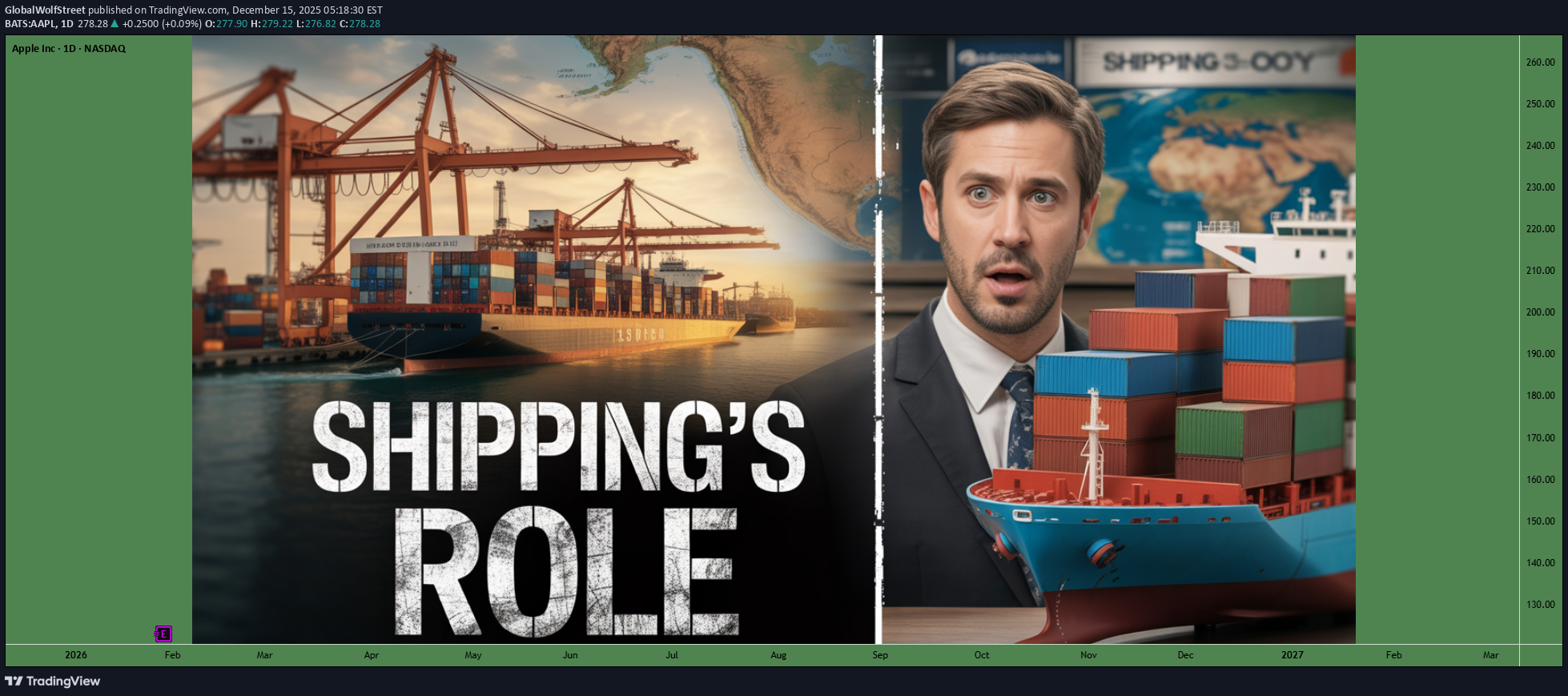
Shipping as the Engine of Global Trade At its core, shipping facilitates international trade by transporting goods between countries and regions. Nations differ in natural resources, labor skills, technology, and capital availability. Shipping allows countries to specialize in what they produce most efficiently and trade with others, following the principle of comparative advantage. For example, crude oil from the Middle East, iron ore from Australia, manufactured electronics from East Asia, and agricultural products from South America all move across oceans through shipping networks. This exchange promotes productivity, lowers costs, and increases the variety of goods available to consumers worldwide. Shipping also enables large-scale trade that would be impossible through air or land transport alone. Bulk carriers transport coal, grain, and minerals in massive volumes at low cost, while container ships move manufactured goods efficiently through standardized containers. Tankers carry oil, liquefied natural gas (LNG), and chemicals, supporting global energy markets. Each shipping segment serves a specific economic purpose, together forming an integrated system that sustains the world market. Impact on Global Supply Chains Modern supply chains are highly complex and international in nature, relying heavily on shipping. Many products are no longer made in a single country; instead, components are sourced from multiple regions and assembled elsewhere. Shipping ensures the smooth flow of intermediate goods and raw materials between production stages. Just-in-time manufacturing, widely used in industries such as automobiles and electronics, depends on predictable and timely shipping schedules. Disruptions in shipping—such as port congestion, geopolitical conflicts, pandemics, or canal blockages—can have immediate and widespread effects on global markets. Delays increase costs, reduce availability of goods, and contribute to inflation. The COVID-19 pandemic highlighted how critical shipping is, as container shortages and freight rate spikes affected everything from food prices to industrial production. This demonstrated that shipping is not merely a logistical function but a strategic pillar of global economic stability. Role in Price Formation and Inflation Shipping costs directly influence global prices. Freight rates are a significant component of the final cost of many goods, especially commodities and low-value, high-volume products. When shipping costs rise due to fuel price increases, regulatory changes, or supply-demand imbalances, these higher costs are often passed on to consumers, contributing to inflation. Conversely, efficient shipping and lower freight rates help keep prices competitive and affordable. Shipping also plays a role in commodity price discovery and arbitrage. The ability to transport goods between markets allows traders to exploit price differences across regions, which eventually leads to price convergence. For instance, grain or crude oil can be shipped from surplus regions to deficit regions, stabilizing global prices and reducing extreme volatility. Strategic and Geopolitical Importance Shipping is closely linked to geopolitics and national security. Major sea routes such as the Strait of Hormuz, the Suez Canal, the Panama Canal, and the South China Sea are critical chokepoints for global trade. Any disruption in these routes—due to conflicts, sanctions, or political tensions—can have serious consequences for the world market. Countries often seek to secure maritime routes and ports to protect their trade interests and energy supplies. Shipping is also affected by international sanctions and trade policies. Restrictions on shipping insurance, port access, or vessel movements can limit a country’s ability to trade, impacting global supply and prices. As a result, shipping companies, insurers, and governments must constantly assess geopolitical risks when operating in international markets. Economic Growth and Employment The shipping industry contributes significantly to global economic growth and employment. It supports millions of jobs worldwide, including seafarers, port workers, shipbuilders, logistics professionals, and maritime service providers. Ports act as economic hubs, attracting industries such as manufacturing, warehousing, and transportation. For developing countries, access to efficient shipping services is essential for integrating into global trade and achieving export-led growth. Shipping also enables small and medium-sized enterprises (SMEs) to participate in international markets. Containerization and digital logistics platforms have reduced barriers to entry, allowing businesses to ship goods globally without owning vessels or large infrastructure. Technological Advancements and Digitalization Technological innovation is transforming the shipping industry and enhancing its role in the world market. Containerization revolutionized trade in the 20th century by reducing loading times and costs. Today, digitalization, automation, and data analytics are improving efficiency, transparency, and reliability. Technologies such as blockchain, electronic bills of lading, and real-time vessel tracking help reduce delays, fraud, and administrative costs. Automation in ports and the development of smart ships are further strengthening global trade flows. These advancements allow shipping to handle growing trade volumes while maintaining cost efficiency, which is vital for sustaining global economic expansion. Environmental and Sustainability Considerations As shipping underpins global trade, it also faces increasing scrutiny over its environmental impact. The industry contributes to greenhouse gas emissions and marine pollution. In response, international regulations and market pressures are pushing shipping toward cleaner fuels, energy-efficient vessels, and sustainable practices. Although environmental compliance may increase short-term costs, it supports long-term stability by aligning shipping with global climate goals and ensuring its continued role in the world market. Conclusion The role of shipping in the world market is fundamental and multifaceted. It enables global trade, supports supply chains, influences prices and inflation, and plays a strategic role in geopolitics and economic development. Shipping connects nations, markets, and people, making globalization possible. While the industry faces challenges such as geopolitical risks, environmental pressures, and market volatility, its importance continues to grow alongside international trade. A resilient, efficient, and sustainable shipping sector is essential for the smooth functioning and future growth of the world market.