18.12.2025 tarihinde sembol PAXG hakkında Teknik GlobalWolfStreet analizi

Energy Market Dynamics Amid Rising Geopolitical Tensions
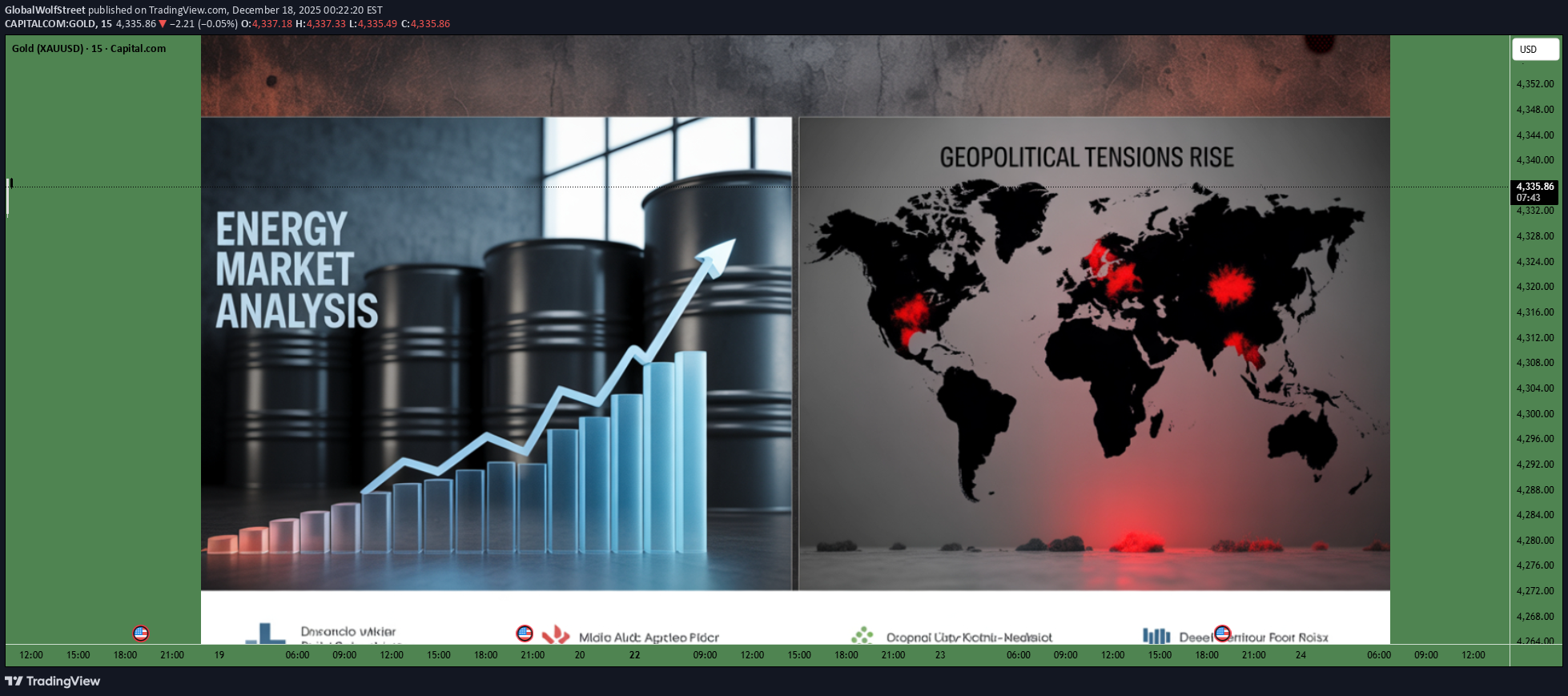
The Strategic Importance of Energy in Global Politics Energy resources are not merely commodities; they are strategic assets. Countries that control major reserves of oil, natural gas, or critical energy infrastructure often wield significant geopolitical influence. Energy-exporting nations use supply control as a diplomatic and economic tool, while energy-importing countries focus on securing stable and diversified supply chains. As a result, disruptions caused by wars, sanctions, or diplomatic breakdowns can have immediate and far-reaching effects on global energy prices and availability. Historically, events such as the Middle East conflicts, the Russia–Ukraine war, tensions in the South China Sea, and instability in key producing regions have demonstrated how energy markets react swiftly to geopolitical risk. Even the threat of conflict or sanctions can lead to price spikes, increased hedging activity, and speculative movements in energy futures markets. Oil Markets Under Geopolitical Stress Crude oil remains the most geopolitically sensitive energy commodity. Major oil-producing regions such as the Middle East, Russia, and parts of Africa are frequently affected by political instability. When tensions rise in these areas, concerns about supply disruptions quickly translate into higher oil prices. Sanctions imposed on major oil exporters can significantly reduce global supply, forcing markets to rebalance through alternative sources. This often benefits other producing nations but increases costs for importing countries. Strategic petroleum reserves (SPRs) have become a key policy tool, with governments releasing reserves to stabilize prices during periods of geopolitical stress. However, these measures are typically temporary and do not address long-term supply challenges. Natural Gas and Energy Security Natural gas markets have become central to geopolitical discussions, particularly due to their role in power generation, industrial use, and heating. Pipeline infrastructure creates strong interdependence between exporting and importing countries, making gas supply especially vulnerable to political disputes. When diplomatic relations deteriorate, gas supplies can be reduced or halted, leading to sharp price increases and energy shortages. Liquefied natural gas (LNG) has emerged as a strategic alternative, allowing importing countries to diversify supply sources and reduce reliance on specific pipeline routes. However, LNG markets are also influenced by geopolitical competition, as nations compete for cargoes during periods of high demand or supply disruption. Rising geopolitical tensions have accelerated investments in LNG infrastructure, storage facilities, and cross-border energy cooperation agreements. Energy Transition and Geopolitical Competition Geopolitical tensions are not only impacting fossil fuel markets but also shaping the global energy transition. Countries are increasingly viewing renewable energy, nuclear power, and energy storage as tools for achieving energy independence and reducing exposure to geopolitical risk. Solar, wind, and hydrogen technologies are gaining strategic importance, as they rely less on imported fuels once infrastructure is established. At the same time, the energy transition has introduced new geopolitical challenges. Competition over critical minerals such as lithium, cobalt, nickel, and rare earth elements has intensified, as these resources are essential for batteries, electric vehicles, and renewable energy systems. Control over supply chains for these materials is becoming a new arena of geopolitical rivalry, potentially replacing traditional oil and gas conflicts. Impact on Global Trade and Inflation Rising energy prices driven by geopolitical tensions have a direct impact on global inflation and economic stability. Energy is a core input for transportation, manufacturing, and agriculture, meaning higher prices quickly filter through supply chains. For developing economies and energy-importing nations, this can strain public finances, widen trade deficits, and increase the cost of living. Global trade flows are also being reconfigured as countries seek to secure energy supplies from politically aligned partners. This has led to the formation of new energy alliances and long-term supply contracts, sometimes at the expense of market efficiency. While these arrangements can enhance energy security, they may also increase costs and reduce flexibility in the global energy system. Financial Markets and Investor Sentiment Geopolitical tensions introduce significant uncertainty into energy markets, influencing investor behavior and capital allocation. Energy stocks, commodities, and related derivatives often experience increased volatility during periods of geopolitical stress. While higher prices can boost revenues for energy producers, uncertainty can deter long-term investment, particularly in capital-intensive projects. Investors are increasingly factoring geopolitical risk into their decision-making processes, alongside environmental, social, and governance (ESG) considerations. This dual pressure is reshaping the energy investment landscape, with greater emphasis on diversification, risk management, and resilience. Long-Term Outlook and Strategic Adaptation Looking ahead, geopolitical tensions are likely to remain a defining feature of the global energy market. Climate policies, shifting power balances, and technological advancements will continue to interact with political developments in complex ways. Countries that successfully balance energy security, affordability, and sustainability will be better positioned to navigate this evolving landscape. Strategic adaptation will require diversified energy portfolios, resilient infrastructure, international cooperation, and transparent markets. While geopolitical tensions pose significant challenges, they also create opportunities for innovation, collaboration, and the acceleration of cleaner energy systems. Ultimately, the future of the energy market will depend not only on resource availability but also on how nations manage geopolitical risk in an interconnected world. Conclusion The rise in geopolitical tensions has reinforced the central role of energy in global economic and political systems. From oil and gas markets to renewables and critical minerals, energy dynamics are being reshaped by conflict, competition, and strategic realignment. As uncertainty persists, the ability to understand and anticipate the interaction between geopolitics and energy markets will be crucial for ensuring stability, growth, and long-term energy security in a rapidly changing world.